NATO Considers Expanding Nuclear Deterrence in Europe Amid Security Concerns
Plans to deploy tactical nuclear weapons in Finland, Poland, and Lithuania could impact regional security and digital economic stability.
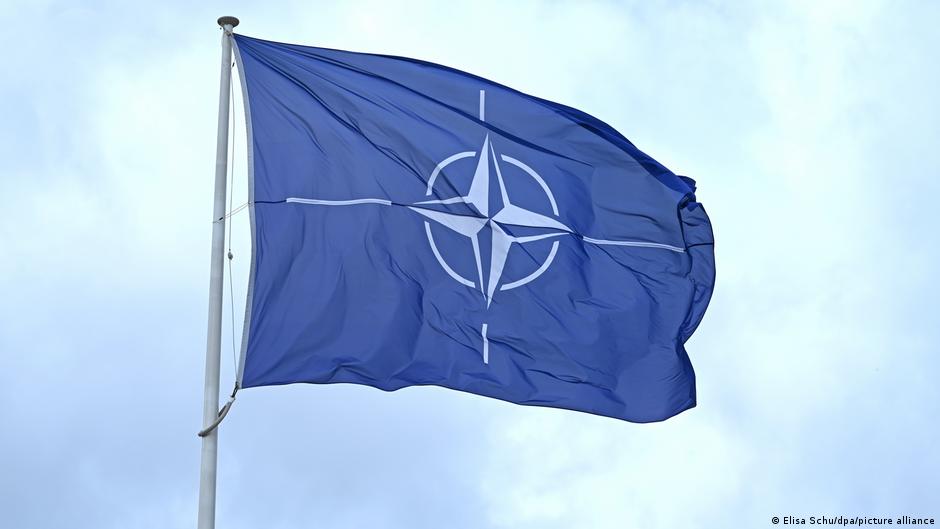
NATO allies are actively discussing the expansion of nuclear deterrence in Europe, focusing on potential deployments in Finland, Poland, and Lithuania, according to recent reports. This strategic move is considered a response to escalating security threats posed by Russia.
Implications for Regional Security and the Digital Economy
The North Atlantic Treaty Organization (NATO) is developing plans to enhance its nuclear deterrence capabilities on the European continent. Particularly, the conversation centers around deploying tactical nuclear weapons, which are designed for use against military forces, airfields, ports, command centers, and other critical military infrastructure.
Unlike strategic nuclear weapons, which have broader and more powerful destructive capabilities, tactical nuclear arms are smaller in scale and often delivered via fighter jets or cruise missiles. This distinction is vital in understanding NATO's approach to maintaining a credible deterrent while managing escalation risks.
"We must ensure that no one can strike us with nuclear weapons without facing a decisive response," stated NATO Secretary General Mark Rutte in a recent interview.
Currently, around 100 American B61-12 nuclear bombs are stationed in Europe under NATO’s Nuclear Sharing program, spread across six airbases in Germany, Belgium, Italy, the Netherlands, and Turkey. The potential extension of such deployments to Finland, Poland, and Lithuania marks a significant shift in NATO’s defense posture.
Legislative and Political Developments Supporting Deployment
Lithuanian President Gitanas Nausėda has expressed Vilnius’s readiness to integrate into NATO’s nuclear deterrence system amid the ongoing conflict between Russia and Ukraine. While Lithuania has no immediate plans to station nuclear weapons on its soil during peacetime, the political willingness signals heightened regional security concerns.
Similarly, Finland recently amended its atomic energy laws, removing prohibitions on the import and stationing of nuclear weapons within its territory. These legislative changes took effect on July 1 and align with the country’s broader security strategy amid evolving geopolitical dynamics.
Financial and Technological Ripple Effects
From a fintech and digital economy perspective, increased geopolitical tensions and nuclear posturing could have significant consequences. Heightened military risks often lead to market volatility, affecting investments in technology and cybersecurity sectors. Digital payment systems and financial infrastructure may face increased scrutiny and require enhanced security protocols to mitigate potential cyber threats linked to geopolitical instability.
Moreover, tech stocks, including companies specializing in defense technology, cybersecurity, and digital banking, could experience shifts based on evolving defense policies and government spending priorities. Investors should closely monitor developments in NATO’s strategic planning as these could influence broader economic trends and the stability of the digital financial ecosystem in Europe.