Saudi Pipeline Shutdown Threatens Oil Supply Shock Across Digital Markets
A prolonged halt on the East-West pipeline could cut global oil supplies by 4%, adding pressure on payments, crypto assets and tech stocks.
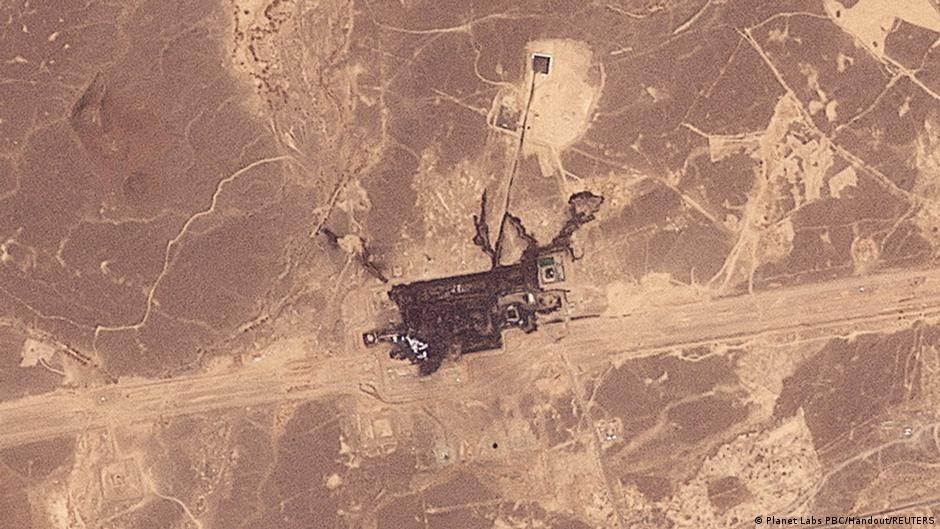
A prolonged shutdown of Saudi Arabia’s East-West oil pipeline could reduce global oil supplies by 4 percent, according to market sources cited by Reuters, creating a new macroeconomic risk for the digital economy, from payments and online banking to crypto trading and technology shares.
The pipeline was stopped after a drone attack attributed to the Houthis, and it remains unclear how long repairs will take. If Riyadh fails to restore operations in the coming days, Saudi Arabia could face a shortage of oil inventories available for export, Reuters reported on Sunday, September 13, citing informed sources in the oil market. Those sources estimated that the disruption could lead to a 4 percent decline in global oil supply.
Saudi authorities have not provided full information about the scale of damage to the pipeline or the timeline for resuming oil pumping. That information gap matters beyond the energy market. Oil remains one of the strongest transmission channels between geopolitics and financial technology: it shapes inflation expectations, central bank policy assumptions, consumer spending, merchant fees, cross-border settlement costs and market appetite for risk assets.
Market sources cited by Reuters estimated that a prolonged outage could reduce global oil supplies by 4 percent.
For fintech companies, the immediate concern is not only the price of crude but the volatility that can follow. Higher energy prices can raise transportation and logistics costs, which are then passed through to consumers and businesses. That pressure can reduce discretionary spending, increase repayment stress for borrowers and alter transaction patterns across digital wallets, card networks and merchant acquiring platforms.
Digital banks and lenders are particularly exposed to the second-order effects. A sustained oil shock can increase inflationary pressure, making rate cuts less likely and keeping funding costs elevated. For neobanks, buy-now-pay-later operators and small-business lenders, this can translate into tighter credit conditions, more cautious underwriting and weaker demand from households already facing higher costs.
Strategic Route Around the Strait of Hormuz
The East-West pipeline stretches 1,200 kilometers, linking Saudi Arabia’s main oil fields in the east of the country with the Red Sea port of Yanbu. The route allows Riyadh to ship millions of barrels of oil per day without using the Strait of Hormuz, where traffic has been restricted by Iran.
That strategic importance has increased since the start of the war against Iran. Saudi Arabia significantly expanded use of the pipeline, and by June, exports through the route reached almost 8 million barrels per day, according to estimates from the International Energy Agency.
In recent weeks, however, the route’s capacity had already declined because of Houthi attacks on Saudi tankers in the Red Sea. In August, about 2.5 million barrels per day were shipped through Yanbu, the lowest level since 2013, according to the latest monthly report from the International Energy Agency.
The September disruption therefore compounds an existing bottleneck rather than creating an isolated incident. For digital markets, that distinction is critical. Payment processors, crypto exchanges and online brokerages often see spikes in activity during geopolitical shocks, but those same shocks can also increase operational and fraud risks. Volatile markets tend to bring higher transaction volumes, sharper price moves and greater demand for instant settlement, customer support and risk controls.
Crypto and Tech Stocks Face a Risk Sentiment Test
Crypto markets could feel the impact through investor sentiment and liquidity conditions. Oil shocks often strengthen demand for traditional hedges while pushing investors to reassess exposure to speculative assets. Bitcoin and other digital assets may see higher trading volumes if investors treat the crisis as a geopolitical hedge, but they may also come under pressure if broader markets move away from risk.
Stablecoins and crypto payment rails could also be watched closely in the Gulf and across energy-linked trade corridors. When commodity markets become more volatile, demand can rise for faster settlement, dollar-linked liquidity and cross-border payment alternatives. At the same time, compliance scrutiny usually intensifies when sanctions, shipping disruptions and regional conflict intersect with financial flows.
Cybersecurity is another part of the fintech equation. The pipeline was stopped after drone strikes from Iraqi territory against the Riyadh and Medina provinces, according to the Saudi energy ministry, which said the shutdown was taken as a precautionary measure. Even though the reported incident involved physical infrastructure, energy disruptions often sharpen attention on cyber resilience across banks, exchanges, payment networks and critical financial platforms.
For technology stocks, the threat is broader market repricing. Large tech companies are sensitive to interest-rate expectations, while smaller fintech and growth companies are more exposed to funding costs and investor risk appetite. If oil supply disruption pushes inflation expectations higher, tech valuations could face renewed pressure. Conversely, companies linked to cybersecurity, market infrastructure, data analytics and financial risk management may attract attention as investors look for businesses that benefit from heightened volatility and security spending.
One Reuters source said repairs could take five to six weeks. Another source believed the repair work could be completed faster and that oil pumping could resume before repairs are fully finished. This range of expectations leaves markets to price uncertainty rather than a fixed outage period.
The East-West pipeline was also attacked in April, but Saudi Aramco, the national oil company, quickly returned it to service at that time. The difference now is the accumulation of regional pressure: restricted movement through the Strait of Hormuz, reduced Red Sea capacity, attacks on tankers and uncertainty about the condition of a pipeline central to Saudi export flexibility.
For the digital economy, the key question is whether this remains a short-lived infrastructure disruption or becomes a sustained energy shock. A rapid restart would likely limit the financial spillover. A repair timeline stretching several weeks, however, could intensify volatility across oil, foreign exchange, crypto and equities, while forcing fintech firms and digital banks to prepare for higher transaction flows, changing consumer behavior and a more demanding risk environment.