New EU Biometric Entry System Triggers Major Delays Across European Airports
The EES biometric border control rollout causes multi-hour queues, raising concerns for summer travel and digital infrastructure resilience.
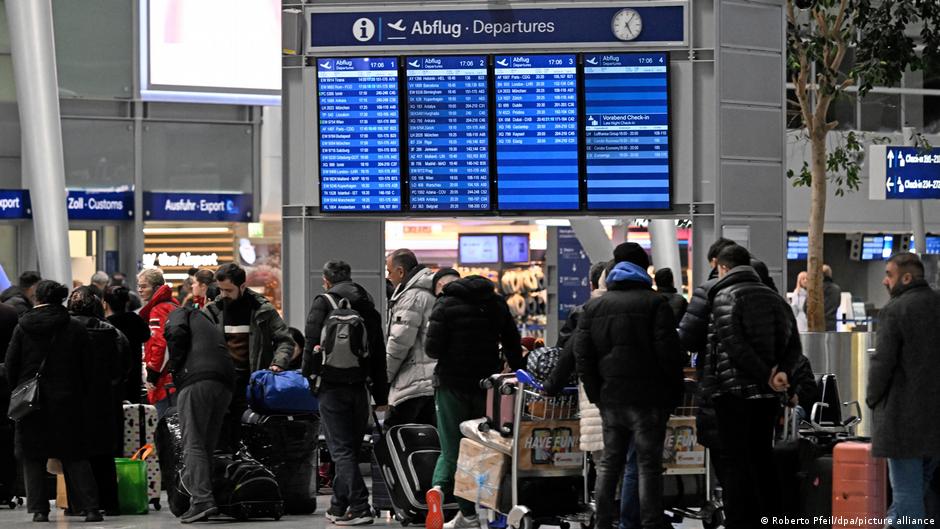
Biometric Border Control System Disrupts Airport Operations
The European Entry/Exit System (EES), a new biometric identification framework implemented across EU airports, has led to severe delays and operational disruptions in six member states since fully launching on April 10, 2026. The system, designed to replace manual passport stamping with biometric data capture, including photos and fingerprints of non-EU travelers, has generated queues lasting up to three to four hours during peak times.
The Airports Council International (ACI) Europe issued a warning about the ongoing backlog affecting airports in France, Germany, Belgium, Italy, Spain, and Greece. They have called for a temporary suspension of the system to avoid a potential collapse of border processing during the critical summer tourism season.
"Passengers are currently facing wait times of up to three hours during peak periods," said Olivier Jankovec, head of ACI Europe.
Michael O’Leary, CEO of budget airline Ryanair, sharply criticized the EES rollout, labeling it a "complete disgrace and chaos" and likening it to a "punishment for Brexit." O’Leary demanded that the European Commission postpone full implementation until October 2026 to reduce disruption and improve system readiness.
Operational Challenges and Industry Response
Incidents illustrating the system's operational strain include a flight from Milan’s Linate Airport to Manchester, where only 34 out of 156 EasyJet passengers boarded on time due to border control delays. The remaining 122 travelers missed their flight, prompting EasyJet to offer free rebooking but disclaiming liability for the delays.
Industry representatives have urged the European Commission to grant border control authorities the ability to temporarily pause the EES during severe congestion to manage passenger flow more effectively.
However, the European Commission has defended the system, stating it is functioning normally with an average processing time of 70 seconds per traveler. ACI Europe disputes this figure, estimating the actual time required is approximately five times longer, which contributes to the extensive queues.
Digital Transformation in Border Management
The EES represents a significant step in the EU’s digital transition within border management, aiming to enhance security and streamline traveler identification. The system began phased deployment in October 2025, initially launched in the Czech Republic, Estonia, and Luxembourg. By April 10, 2026, all 29 Schengen countries adopted the EES, mandating biometric registration for third-country nationals entering the Schengen Area.
Notably, EU citizens, residents with permits, and diplomats are exempt from the biometric procedure, which underscores the system’s targeted approach toward non-EU travelers. The move from manual stamping to biometric identification aligns with broader trends in digital economy infrastructure, emphasizing automation, data security, and interoperability.
Despite its security benefits, the EES implementation highlights challenges in integrating new digital technologies into high-volume, real-time operational environments such as international airports. The current issues pose risks not only to passenger experience but also to airlines and airport operators, with potential financial and reputational repercussions.
As EU institutions continue to refine the system, stakeholders in fintech, cybersecurity, and digital identity sectors are closely monitoring the EES rollout. Its success or failure could influence future digital initiatives in border control and identity verification, impacting related markets and technology adoption.