
Business
Kyiv Missile Strike Kills One, Damages Metro Infrastructure
A Russian ballistic missile strike killed a 21-year-old woman, injured three people and damaged buildings and metro infrastructure across Kyiv.
Editorial Team · Oct 19, 2026
A Russian ballistic missile strike killed a 21-year-old woman, injured three people and damaged buildings and metro infrastructure across Kyiv.

A reported US plan to restore Russian gas flows to Europe could reshape cross-border payments, sanctions compliance and the outlook for digital finance and tech stocks.

A probe into an arson attack on a Polish Starlink facility is focusing on a Turkish crime group and possible links to Russian intelligence.

Power and water disruptions in Kyiv and Volyn highlight the physical infrastructure risks facing Ukraine’s payments, banking, crypto and technology sectors.
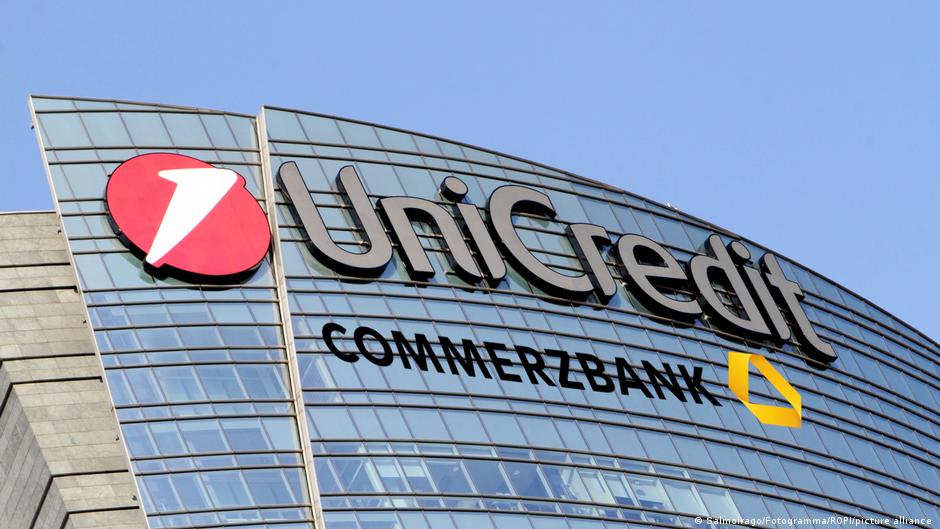
ECB approval allows UniCredit to expand its Commerzbank stake, opening a path to control with implications for payments, digital banking and cybersecurity.
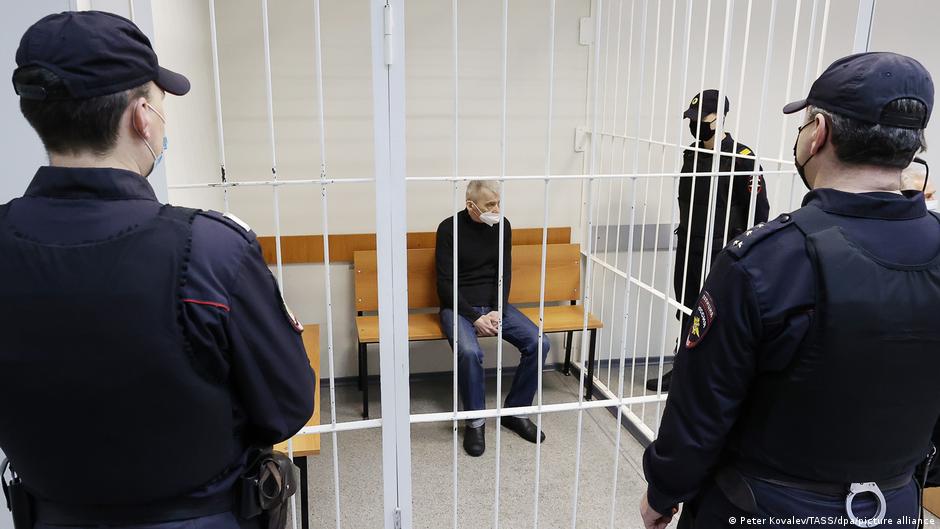
Yuri Dmitriev was returned to a Russian penal colony without a diagnosis after suspected stroke symptoms, raising wider rule-of-law concerns.
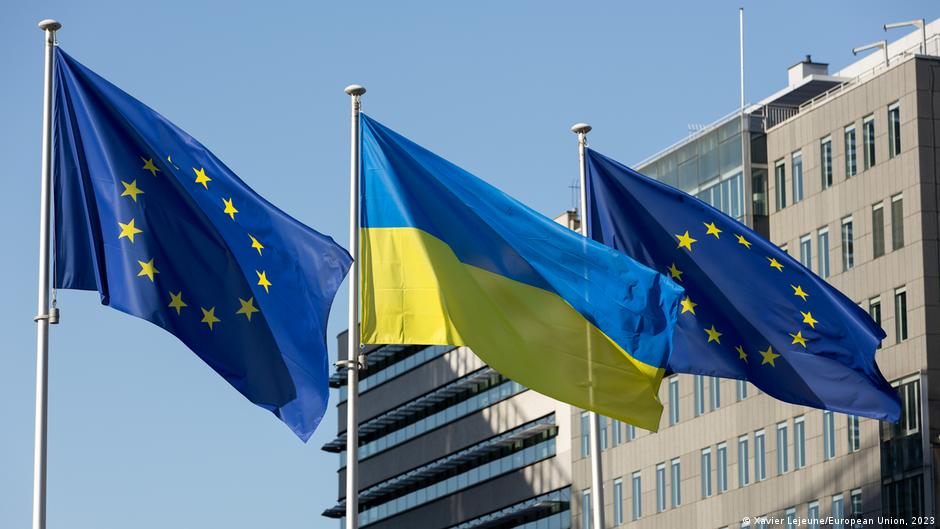
EU states agreed to open internal-market and competitiveness accession clusters for Ukraine and Moldova, advancing reforms tied to digital economy rules.

Zelenskyy criticized a U.S.-Russia diesel supply deal, warning that sanctions relief could fund war and raise risks for markets and payments.

British counterterrorism police detained two Latvian nationals after a breach at RAF Molesworth, a NATO and US intelligence site.
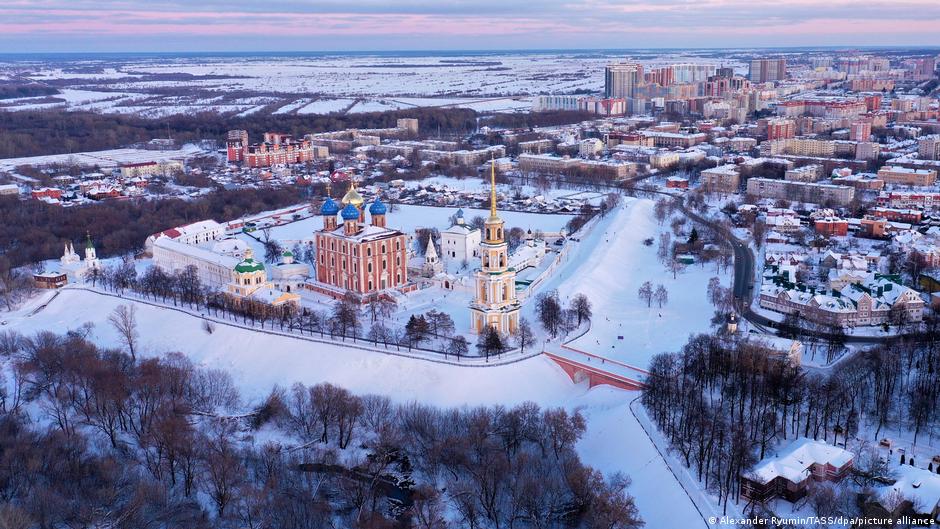
Astra reported a fire at the Sasta plant in Russia’s Ryazan region, a site it says also hosts a Yandex DC data center.

Germany’s economy minister says the Left Party’s Berlin win could hurt investor confidence and Germany’s appeal as a business location.

Western embassies are weighing Kyiv relocation plans as Russian strikes hit energy infrastructure and data centers, raising risks for Ukraine’s digital economy.

Russian attacks damaged sites in Kyiv, Odesa and Sumy, while Ukrenergo announced power limits affecting businesses and consumers.

German and Austrian raids over alleged Russia auto exports put sanctions compliance, bank monitoring and cross-border payments in focus.

Dutch police detained a 24-year-old Amsterdam man in a ShinyHunters probe, spotlighting cyber risk for fintech, telecom and tech firms.
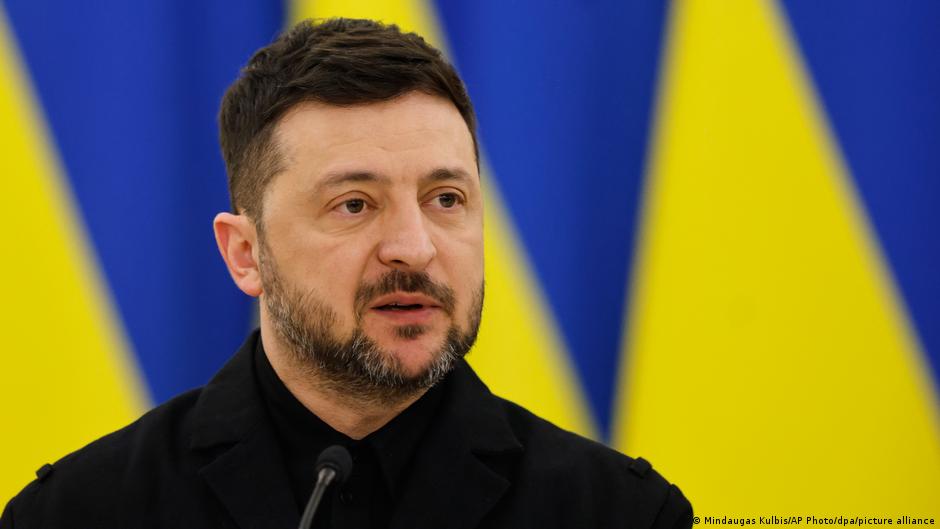
Ukraine says North Korea may send 10,000 more troops to Russia, raising sanctions, payments, crypto and cybersecurity concerns.
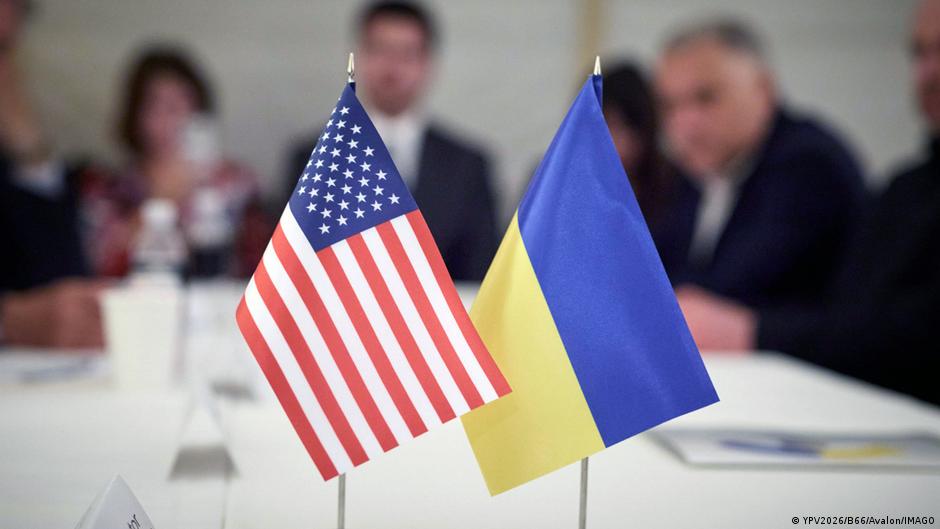
Kyiv denied a Bloomberg report that Trump urged Zelensky to travel to Moscow, as U.S. diplomacy focused on energy attacks and diesel prices.
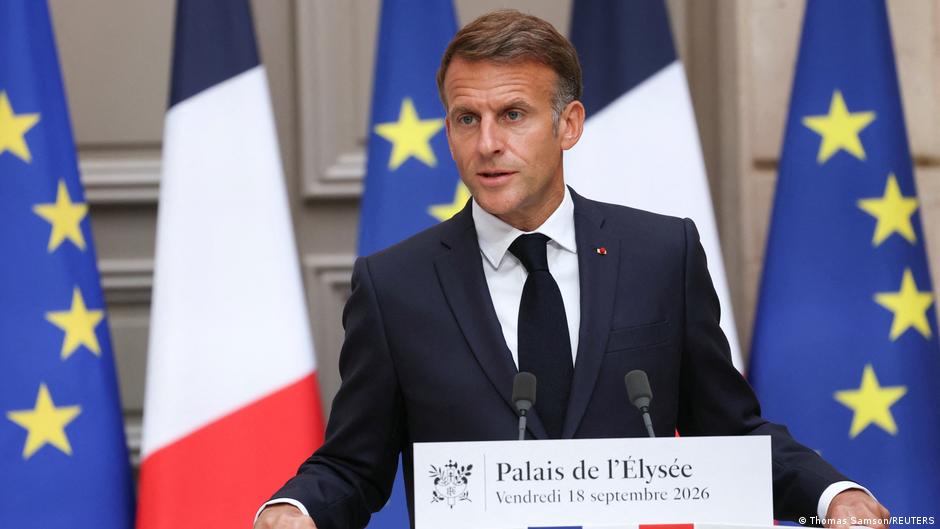
Macron says a Russian mobilization of about 300,000 people is credible and warns Europe faces rising hybrid and cyber threats.
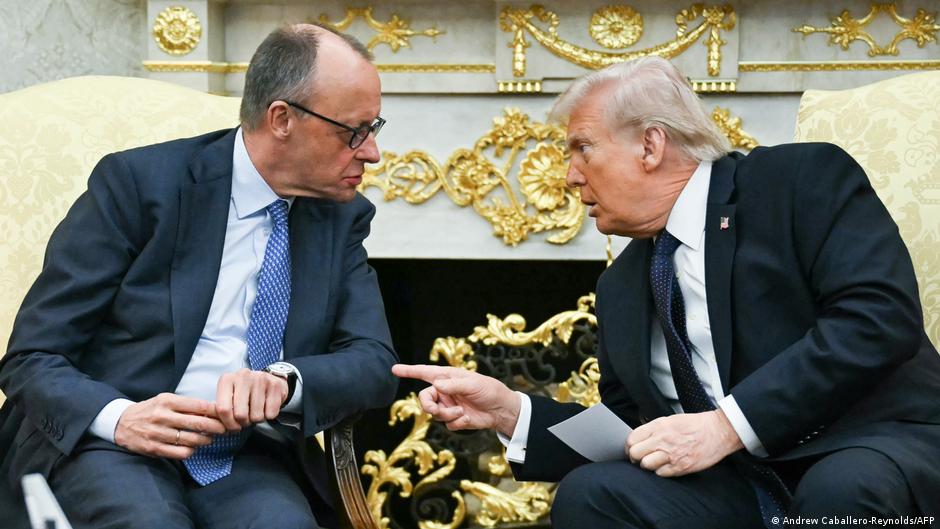
Friedrich Merz says unconditional transatlantic friendship may be over, with implications for Germany’s economy, security and digital sectors.
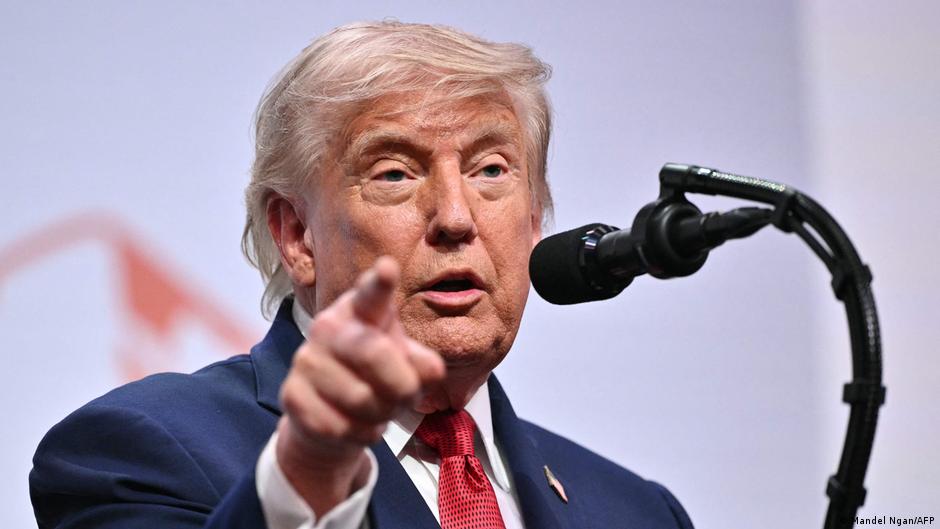
Trump warned of steep tariffs or a trade halt with Europe if the EU’s expanding Canada partnership is deemed hostile by Washington.
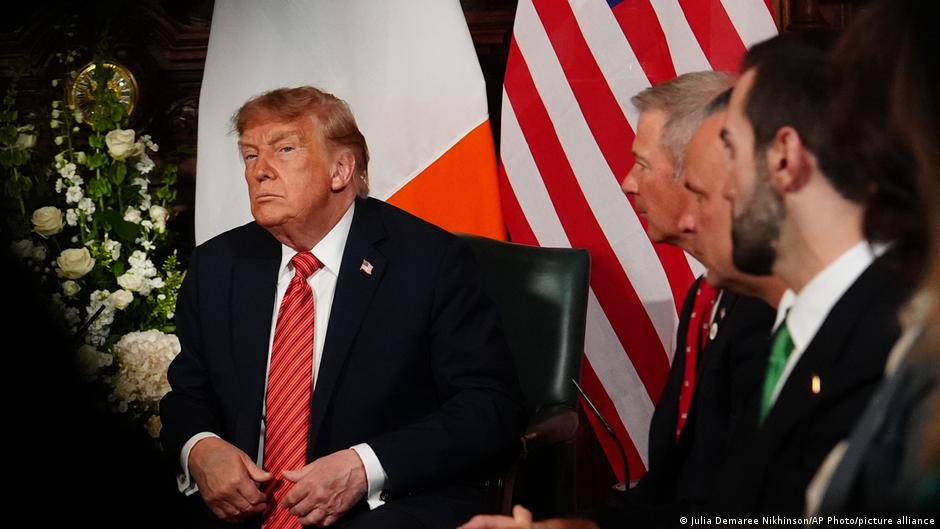
Trump said the U.S. will abolish a 10 percent tariff on Irish whiskey, a move with implications for trade payments and compliance systems.
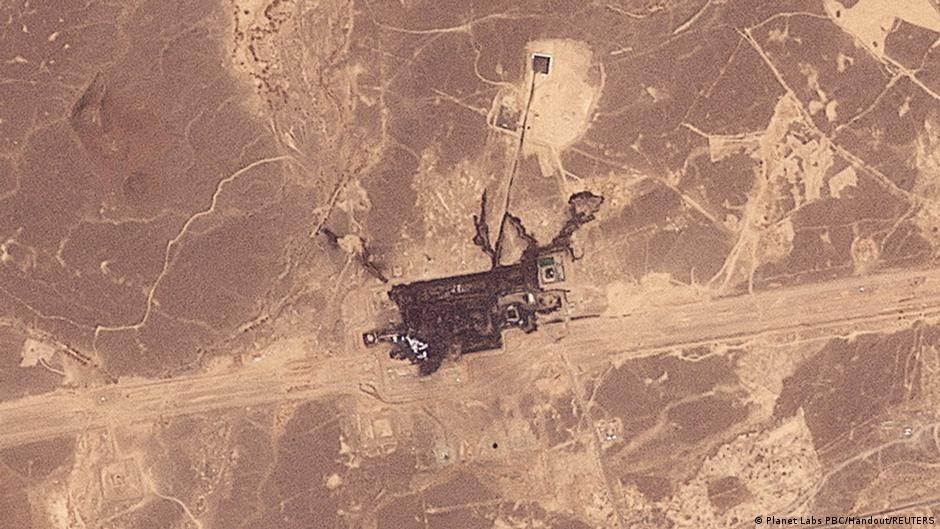
A Saudi pipeline halt could cut global oil supply by 4%, raising volatility risks for fintech, crypto, digital banking and tech stocks.

Zaporizhstal says damage from a third Russian missile strike is critical, deepening risks for Ukraine’s industrial payments and tax base.
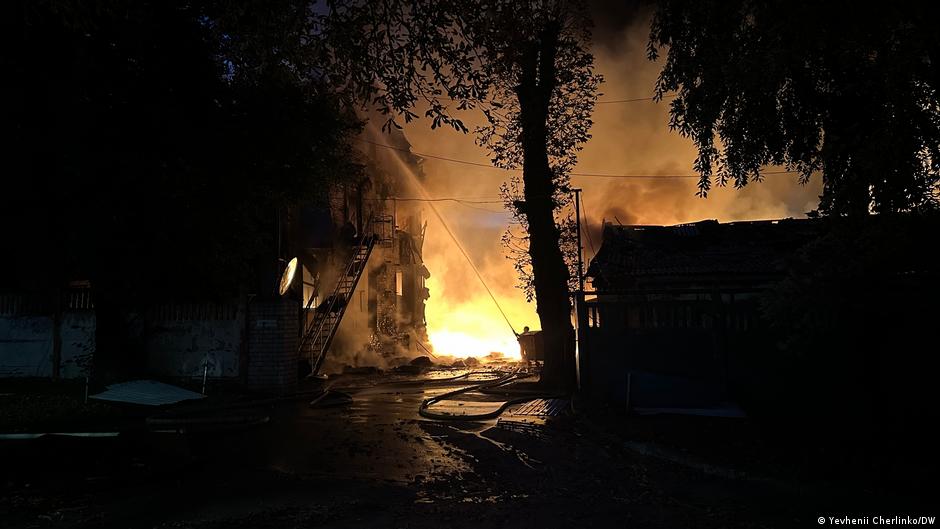
Russian strikes damaged logistics, warehouses, housing and energy infrastructure in Odesa, Kyiv region and Mykolaiv, injuring two people.
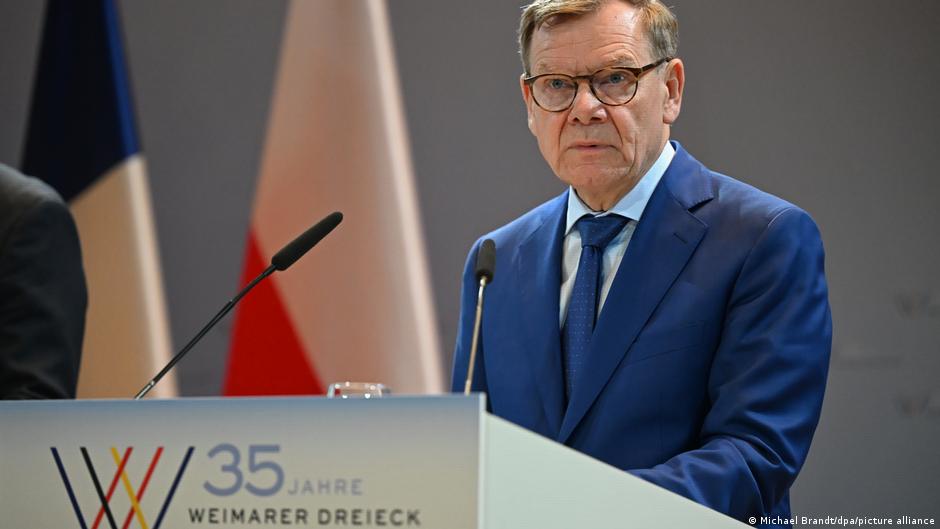
Germany’s foreign minister says German defense firms should benefit from Berlin’s Ukraine support, tying aid to procurement and taxpayer accountability.

Kaja Kallas cancelled a planned EU defence expert group after German and Italian objections, delaying a forum tied to Europe’s security tech agenda.
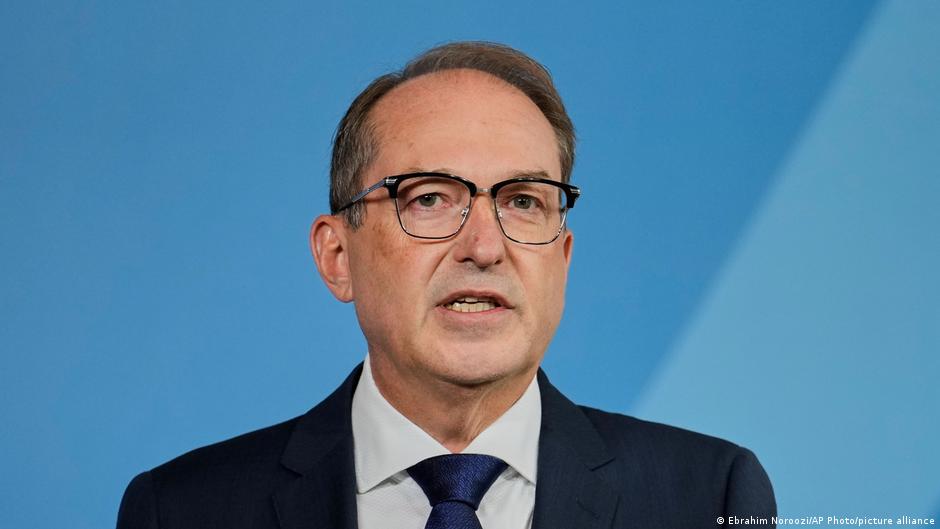
Germany plans drone defenses and a Cyberdome after the Leipzig incident, raising stakes for payments, fintech, logistics and digital infrastructure.
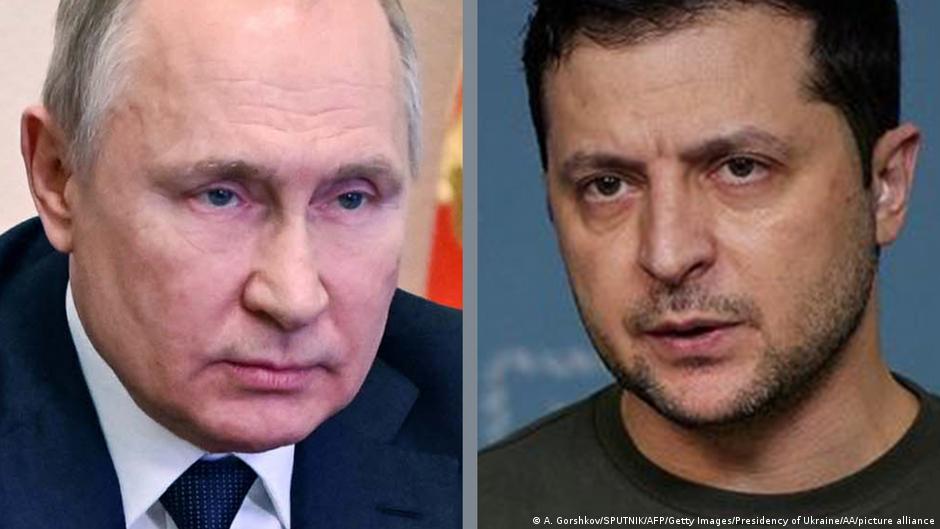
Putin said peace through diplomacy is possible, while Zelensky said U.S. envoys will visit Kyiv and Moscow to discuss a possible agreement.

Uzbekistan’s decade of business reforms is reshaping licensing, taxes and digital state services, with direct implications for payments and formal-sector growth.

Putin told Pashinyan that Armenia’s move toward EU membership would amount to leaving the EEU, escalating a dispute with implications for trade and finance.
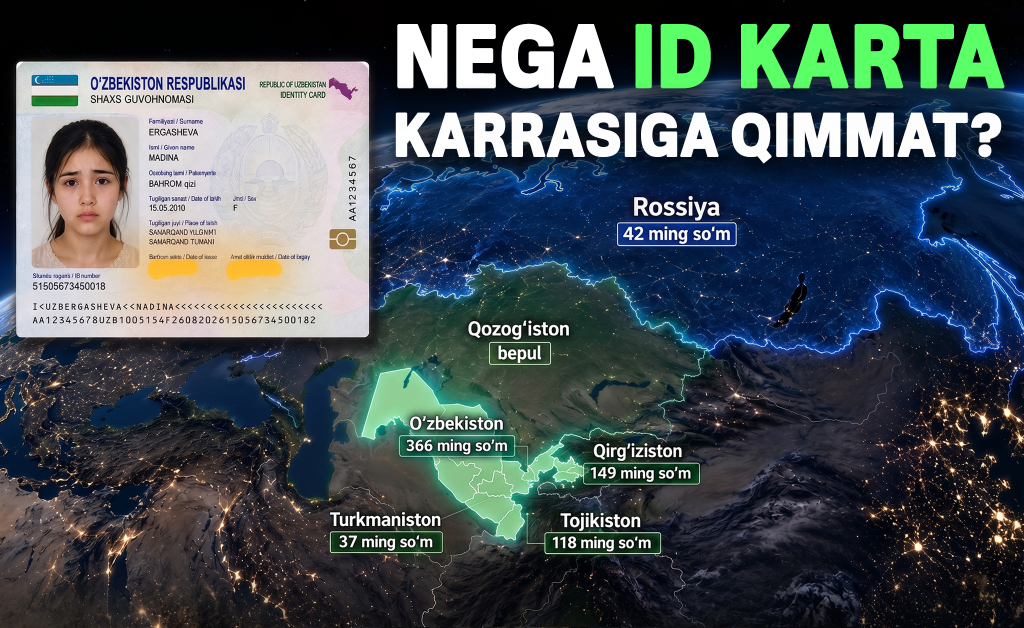
A debate over the cost of a first ID card in Uzbekistan is focusing attention on affordability, digital access and how regional peers price core identity documents.

Meta’s $18B settlement mandates sweeping child-safety reforms relying on imperfect age-verification tech, underscoring challenges in balancing safety and privacy in digital platforms.

Russia's covert sabotage campaigns on European defense plants involve criminal groups paid via cryptocurrency, challenging NATO's cybersecurity and response strategies.

Drone attacks on Ozon’s logistics centers in Krasnodar and Stavropol caused fires, casualties, and disrupted operations, spotlighting physical security challenges in Russia's digital economy.

Nearly 100 people were detained at an informal music festival near Vyborg over pro-Ukraine songs and calls for regime change, as Russian authorities intensified digital surveillance efforts.

Germany's wage gap between native and foreign full-time workers remains at 23.6% in 2025, with median salaries at €4,396 and €3,358 respectively, impacting digital economy and fintech sectors.
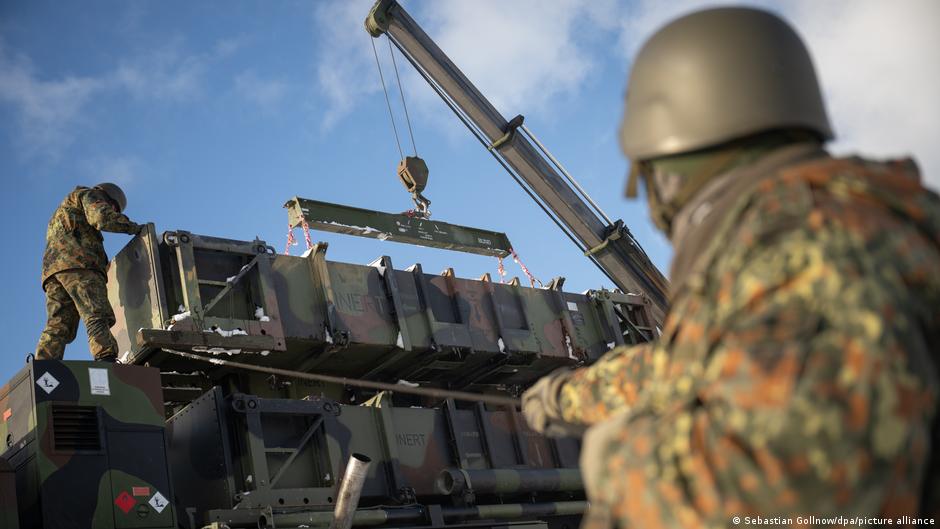
Hundreds of Ukrainian soldiers undergoing training in Germany have deserted since 2022, complicating military preparedness and legal frameworks amid ongoing conflict.

Venezuela freed 131 political prisoners and agreed on judicial reforms after reconciliation talks, potentially impacting the country's fintech and digital economy sectors.
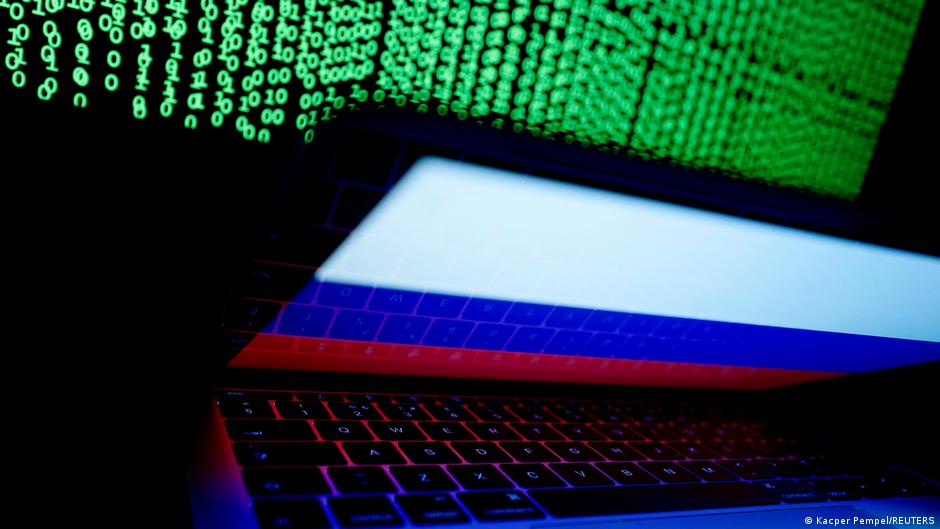
Russian-linked hacker group Cl0p claims to have breached data from nearly 50 global companies, raising concerns about cybersecurity in fintech and digital banking.

Ukraine reports damaging four Russian Navy ships and key port infrastructure in Novorossiysk, with significant implications for regional economy and security.

Germany reports a surge in drone activity near military bases, prompting new research and counter-UAV tech initiatives to address evolving hybrid security threats.
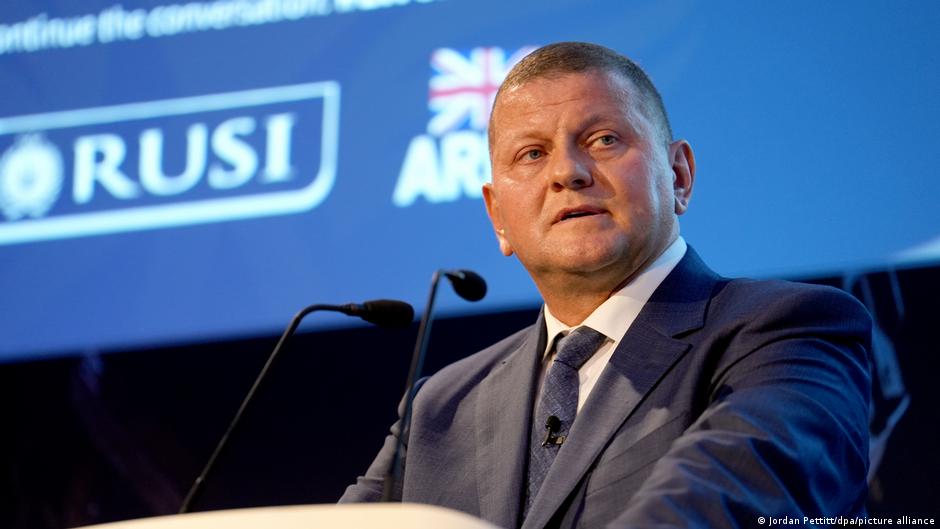
Former Ukrainian general Valeriy Zaluzhnyi says Ukraine will not join NATO but seeks advanced defense tech and new security alliances like the Joint Expeditionary Force.
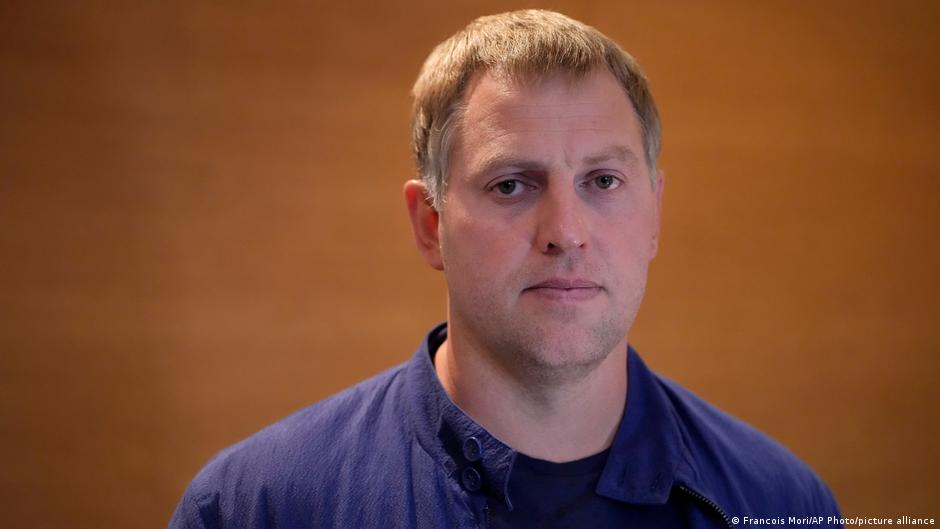
Vladimir Osechkin suspends Gulagu.net citing global human rights crisis and security threats from Russian agents amid growing repression and digital surveillance.
Uzbekistan launches a national navigation system and unified digital platform to enhance fintech, public administration, and digital infrastructure, aiming to boost IT exports and startup growth.

Greece's spike in Schengen visa denials for Russians challenges travel and fintech sectors amid stricter EU security policies impacting payments and digital banking.

Germany reports 410 individuals deemed Islamist threats, with rising consultations on radicalization and concerns over extremist influences on digital security and fintech sectors.

Ukraine's president warns Russia plans expanded mobilization with 30,000 North Korean troops and missile support, raising regional security and fintech risk concerns.
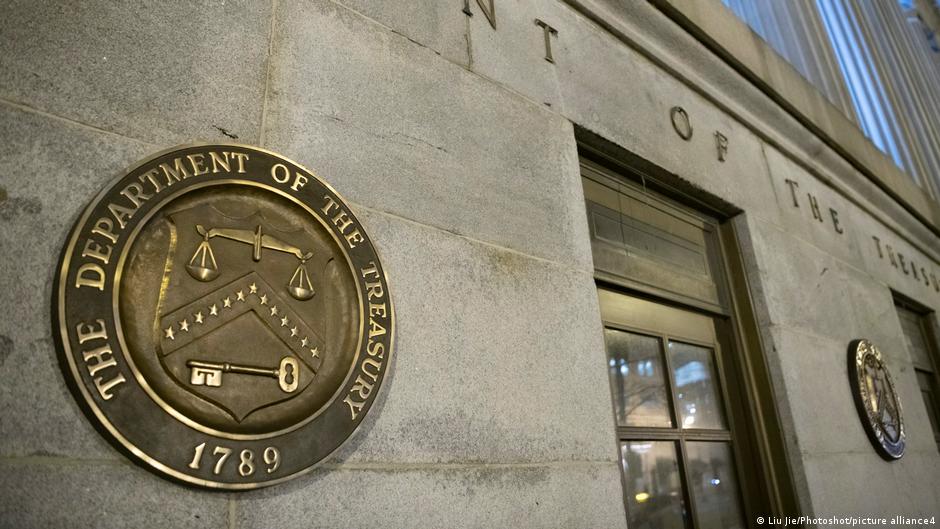
The US lifts sanctions on Miami-based Bel-Kap-Steel, linked to Belarusian steel giant BMZ, amid significant releases of political prisoners and broader easing of penalties.

Ukrainian drone strikes on Russian logistics centers and urban areas disrupt supply chains, highlighting vulnerabilities in critical infrastructure and digital economy security.

Germany reports a sharp rise in military service refusals amid security challenges and conscription reforms, impacting the digital economy and cybersecurity workforce.