Russian-Linked Hacker Group Cl0p Claims Data Breach of Nearly 50 Global Firms
Cl0p's cyberattacks highlight ongoing cybersecurity risks for fintech and digital banking sectors worldwide.
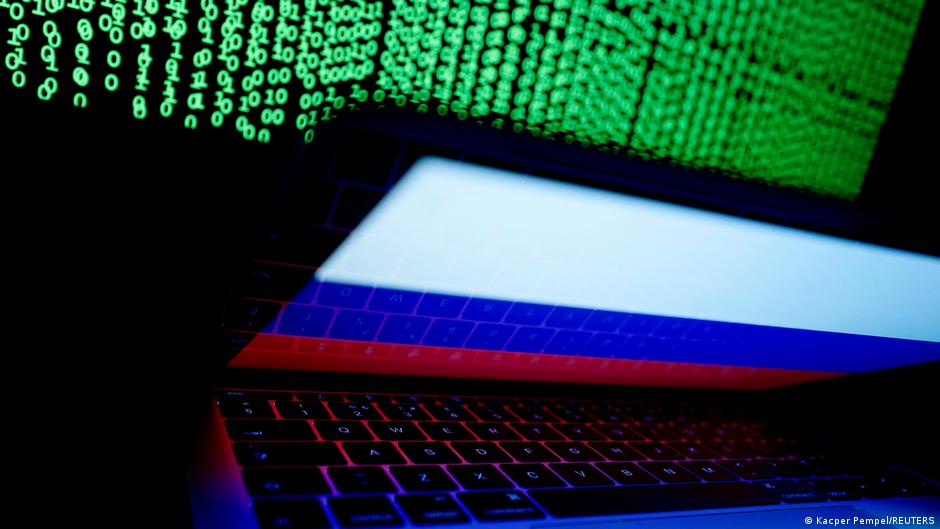
The hacker group Cl0p, reportedly linked to Russia, has announced the theft of data from nearly 50 major companies worldwide, including Philips, Shell, Fiserv, and General Electric. This revelation underscores persistent vulnerabilities in global digital infrastructures, particularly affecting fintech and digital banking platforms.
Wide-Ranging Cyberattack Targets Diverse Industries
Cl0p is known for exploiting software vulnerabilities to launch simultaneous attacks on multiple targets. The group's recent claim includes high-profile firms across various sectors: the Dutch electronics giant Philips, the British oil company Shell, and American financial technology and industrial firms Fiserv and General Electric.
While the hackers have not disclosed specific details about the data stolen, their modus operandi typically involves ransomware and data exfiltration, which can severely disrupt business operations and compromise sensitive digital assets.
Companies named by Cl0p have issued cautious statements. Philips confirmed detecting and isolating a cyber threat targeting a corporate server linked to internal data, emphasizing that client environments remained unaffected. Fiserv acknowledged awareness of Cl0p's claims but stated that a thorough investigation found no evidence of client data, financial accounts, transactions, or personal information being compromised or any operational impact on their fintech services.
"Despite ongoing investigations, no customer or transaction data breaches have been confirmed, highlighting the importance of robust cybersecurity measures in fintech." - Industry cybersecurity expert
The cyber espionage and ransomware activities attributed to Cl0p reflect a growing trend of sophisticated cyberattacks targeting financial institutions and critical infrastructure, raising alarms about the security of digital payment systems and banking platforms.
Geopolitical Context and Cybersecurity Implications
Several media reports, including from the US outlet Politico, suggest that Cl0p operates with ties to the Kremlin. This aligns with broader intelligence assessments pointing to Russian-linked hacker groups targeting global communication networks and governmental agencies.
In recent months, Russian-affiliated cyber actors have been implicated in a series of high-profile digital breaches. In March, Dutch intelligence revealed that Russian cybercriminals targeted messaging apps Signal and WhatsApp, compromising sensitive information of officials, military personnel, and journalists.
In April, US and German authorities warned about router intrusions in government institutions by Fancy Bear, a group tied to Russian military intelligence. Additionally, British officials disclosed in July that Russian hackers breached email systems of civil servants and critical infrastructure employees, with stolen data being sold on the darknet.
These incidents have prompted regulatory actions, including EU and UK sanctions against Russian Federal Security Service (FSB) hackers in July, aimed at curtailing state-sponsored cyber threats.
The ongoing attacks by groups like Cl0p highlight the pressing need for enhanced cybersecurity frameworks within fintech and digital banking sectors. Financial institutions must invest in advanced threat detection, rapid incident response, and robust data protection to safeguard payment systems and maintain trust in the digital economy.