Ukraine’s Zelensky Warns of Russia’s Expanded Mobilization Plans with North Korean Military Support
Russian authorities reportedly plan to increase conscription and receive up to 30,000 North Korean troops, raising regional security concerns.
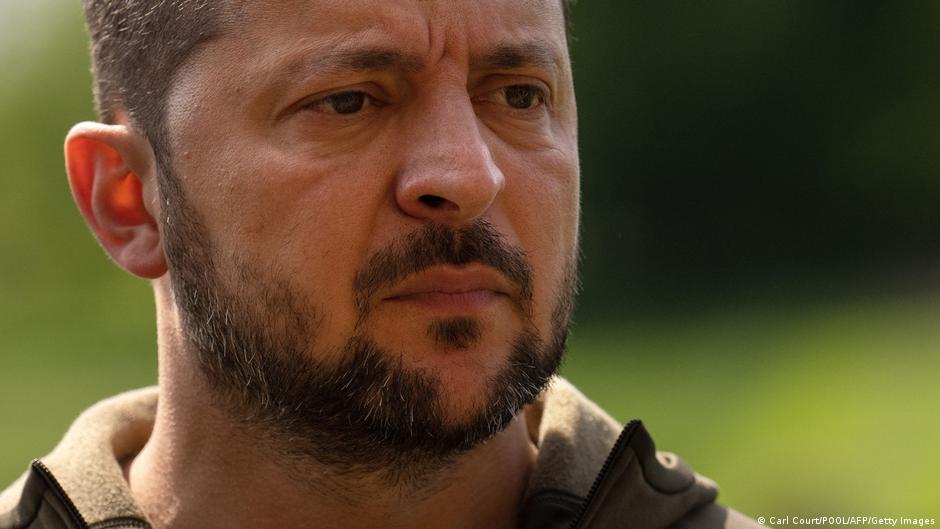
Ukrainian President Volodymyr Zelensky has revealed intelligence indicating that Russia intends to expand its military mobilization efforts in the autumn of 2026. Additionally, Moscow is reportedly preparing to receive 30,000 soldiers from North Korea, alongside new ballistic missile launch systems.
Implications for Regional Security and Military Cooperation
Zelensky's statements are based on intelligence reports suggesting that starting June, the Voronezh region in Russia is being readied to accommodate North Korean military personnel. While the specifics of the "expanded mobilization" remain unclear, Zelensky emphasized that Russian President Vladimir Putin is preparing to conscript new Russian citizens to reinforce military operations.
"He masks it with other words and signals but is preparing. It is important that we and our partners apply sufficient pressure on Russia so that thoughts of ending aggression prevail over ideas of further mobilization," Zelensky said.
North Korea's involvement is particularly significant, as it reportedly plans to supply Russia with additional ballistic missile launchers. Zelensky identified this military cooperation as a threat to Asian countries within the range of North Korean rockets and described Russia's assistance as helping North Korea "learn how to wage war." This collaboration could escalate geopolitical tensions in Asia, impacting regional security dynamics.
The anticipated mobilization wave in Russia is expected to be substantial. Zelensky previously addressed the issue in late July, warning that Russian military losses currently exceed recruitments, leading to plans to intensify attacks and further expand the war effort.
Russia conducted a "partial mobilization" from late September to early October 2022. According to statements from Russian political figures, relevant presidential decrees regarding mobilization remain active, covering military service obligations and other related measures.
Russian Presidential Press Secretary Dmitry Peskov clarified that these decrees also regulate additional activities necessary to fulfill the armed forces' tasks, indicating ongoing enforcement of mobilization policies.
Fintech and Digital Economy Considerations
While the immediate focus centers on military mobilization and geopolitical developments, the situation has indirect implications for the fintech sector and digital economy. Prolonged conflict and expanded military mobilization in Russia could influence cybersecurity risk profiles, especially concerning state-sponsored cyber threats targeting financial institutions and digital infrastructure.
Financial sanctions and restrictions linked to the conflict may continue to impact Russian digital banking, payment systems, and cross-border crypto transactions. Heightened geopolitical tensions can lead to increased volatility in tech stocks related to cybersecurity firms and companies specializing in secure financial technologies.
Stakeholders in fintech and digital economy sectors should monitor evolving security developments, as these geopolitical shifts have the potential to disrupt global digital payment networks and complicate compliance landscapes.