Trump Says SpaceX Restored Starlink Access in Ukraine After Restrictions
The episode highlights the financial, operational and cybersecurity risks of relying on privately controlled digital infrastructure.

US President Donald Trump said SpaceX had removed restrictions on the use of its Starlink satellite network in Ukraine, restoring full access after the limits created operational difficulties for the Ukrainian armed forces.
Speaking to reporters on Thursday, October 22, Trump declined to say who had instructed SpaceX to reverse the restrictions or whether he had personally discussed the issue with the company’s owner, Elon Musk, as The Washington Post had previously reported.
“I don’t want to comment on that. Whether I called or somebody else did makes no difference. I suppose what matters is that he put everything back,” Trump said.
Trump’s statement came only hours after Ukrainian President Volodymyr Zelensky said Starlink speeds in Ukraine had still not recovered following restrictions introduced in mid-October. The conflicting accounts underscored the difficulty of independently assessing changes to privately operated communications infrastructure during wartime.
Private infrastructure becomes a strategic dependency
Ukraine’s Defense Ministry previously said the restrictions began during the night of October 14. Under the reported limitations, the satellite network stopped working on devices moving at high speed.
That change proved critical for the Armed Forces of Ukraine. Starlink—and, more specifically, the military version of the network known as Starshield—is used to help guide unmanned aerial vehicles during attacks on targets in territories occupied by Russia in its war against Ukraine.
According to publicly available information, Ukrainian forces do not use Starshield for strikes on targets inside Russia because Russian territory is outside the satellite network’s coverage zone.
The episode illustrates how access rules embedded in commercial technology platforms can have consequences far beyond ordinary service availability. Satellite connectivity now forms part of a broader digital economy that also includes cloud computing, cybersecurity services, payment networks and digitally delivered banking. When a private provider changes technical settings, the impact can spread quickly across government operations, corporate systems and critical communications.
Several media outlets, including Britain’s The Telegraph and the US-based Wall Street, reported that Musk had proposed imposing the Starlink restrictions for Ukrainian forces. According to those reports, the businessman discussed the idea with the Pentagon and secured the department’s support. The White House, however, said it had issued no instructions to limit the satellite network’s operation in Ukraine.
Software problems compound connectivity concerns
Kyiv encountered difficulties in mid-October not only with Starlink but also with intelligence-sharing arrangements with the United States. Those intelligence flows help Ukrainian forces learn about Russian ballistic missile launches, among other threats.
Zelensky said Ukraine had gone several consecutive nights without receiving warnings from its partners about ballistic missile launches. Trump administration officials attributed the disruption to weather conditions and “software problems.”
For technology investors and digital-service operators, the explanations point to a familiar but consequential set of risks: outages can originate in software, network policy, environmental conditions or political decisions, while responsibility may remain unclear. In sectors such as digital banking, payments and crypto markets, where uninterrupted connectivity and confidence in infrastructure are essential, similar ambiguity can amplify operational and cybersecurity concerns.
The Starlink dispute also places renewed attention on SpaceX and Musk’s wider technology interests. Although the source reports no direct movement in technology shares or crypto assets, any uncertainty surrounding a major communications provider can influence how markets assess governance, government-contract exposure and geopolitical risk across the technology sector.
Political tensions frame the technology dispute
The connectivity problems followed another wave of criticism from Trump directed at Zelensky over the Ukrainian leader’s unwillingness to accept a proposed agreement to end the war.
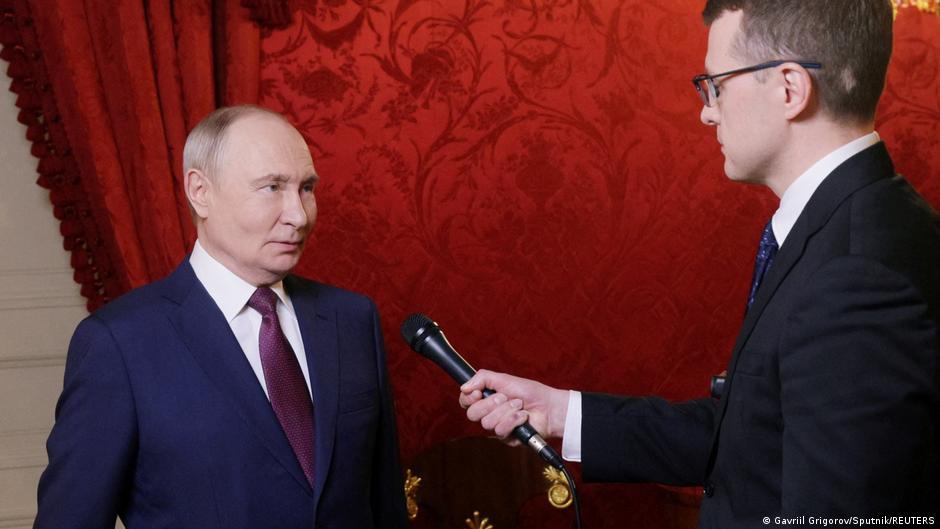
Trump renewed his criticism of Kyiv after holding a telephone conversation with Russian President Vladimir Putin in early October. Following that call, Trump ordered the removal of US sanctions on Russian diesel fuel and declined to impose the proposed “Lindsey Graham sanctions” against Russia.
In a Bloomberg interview published on October 18, Zelensky criticized the shift in the White House’s position and said recent steps appeared designed to pressure Ukraine into capitulation.
“I believe steps were taken to persuade Ukraine to capitulate. I am not claiming that this is precisely the goal pursued by our partners. I do not want to think that Americans believe the war can be ended more quickly at Ukraine’s expense. But that is what it looks like,” Zelensky said.
Trump’s assertion that Starlink access had been restored may ease the immediate communications problem, but his refusal to identify who initiated the reversal leaves the decision-making process unresolved. For governments and businesses dependent on commercial digital infrastructure, the dispute reinforces a central question of the modern technology economy: who ultimately controls access when a privately operated platform becomes strategically indispensable?