US Resets Canadian Tariffs, Shifting Costs Across Digital Commerce
Washington will remove 50% duties from selected Canadian goods while imposing tariffs on other categories from October 30.
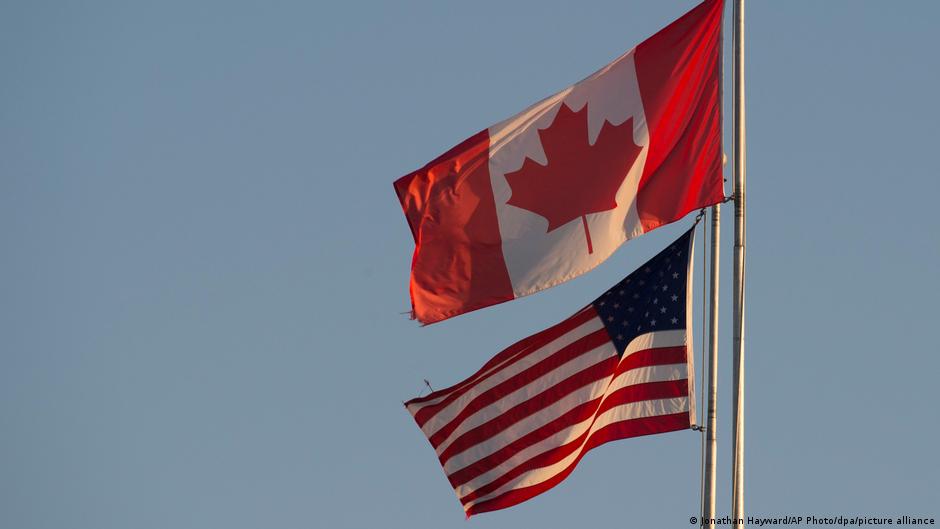
US President Donald Trump has signed an executive order removing 50% customs duties from a group of Canadian products from October 30, while adding tariffs to other categories of imports from the neighboring country. The changes redistribute trade costs across industries and could affect the payment flows, financing needs and digital systems used by companies operating across the US-Canada border.
Trump signed the order on Friday, October 23. The high duties will be lifted from plywood, certain paper products, machinery used by the pulp and paper industry, packing cases and cardboard boxes, as well as fresh and dried seaweed.
At the same time, the White House moved a separate range of Canadian products onto the tariff list. These include carpets, paints, shampoos, cocoa powder, wooden coffins, ice-pop sticks, air conditioners, freezers, archery products and canoes. Washington presented the additions as a measure intended to balance the removal of duties elsewhere.
New cost map for cross-border commerce
The mixed package creates different outcomes for importers depending on their product category. Businesses buying Canadian paper, packaging or industrial machinery will no longer face the 50% duty covered by the order. Importers of the newly listed consumer and manufactured products, however, will need to account for additional customs charges after the measures take effect.
For the digital economy, the immediate relevance lies in how tariff changes are transmitted through cross-border commerce. Importers and online sellers must incorporate customs costs into invoices, product pricing and working-capital calculations. Payment providers, digital banks and trade-finance platforms supporting these transactions may also need to process revised values and documentation as their business customers adapt.
The inclusion of packaging materials is particularly relevant to merchants that depend on physical fulfillment. Lower duties on packing cases and cardboard boxes could ease one trade-related cost for affected importers. Conversely, tariffs on goods such as shampoos, cocoa powder, air conditioners and freezers introduce new cost pressures for businesses selling or distributing those products, including through digital channels.
Companies whose software connects ordering, customs processing and payments will have to reflect the new product classifications accurately. Whenever tariffs differ sharply by category, correct classification becomes central to calculating the amount owed. That also raises the operational importance of secure trade data, reliable payment records and controls designed to prevent incorrect billing or fraudulent manipulation of documentation.
Ottawa assesses Washington's move
Canadian Intergovernmental Affairs Minister Dominic LeBlanc, who is also responsible for trade with the United States, said Ottawa was evaluating the neighboring country's actions. He indicated that Canada remained prepared to engage with Washington over the future of the bilateral trading relationship.
Ottawa is “ready to work constructively and in good faith toward building a more mutually beneficial trade relationship that takes Canada's interests into account,” LeBlanc said.
The tariff dispute has become one of the signs of deteriorating relations between Washington and Ottawa since Trump's return to the country's highest office. The disagreement has centered on the US-Canada trade arrangement and reciprocal tariffs of 50%. Trump has also repeatedly spoken about the possibility of incorporating Canada into the United States as its 51st state.
Tariff volatility adds operational risk
The latest order follows an escalation at the end of September, when the United States suspended imports of several Canadian products for an indefinite period. Those goods included alcoholic beverages, beer, sparkling wine and whey, certain dairy products, and motorcycles.
Washington took that step after Ottawa decided to respond in kind to higher customs duties introduced by US authorities in August. The sequence—from increased tariffs to Canadian retaliation, import suspensions and the latest rebalancing—has left companies facing changing rules on both sides of the border.
For fintech providers and digital banks serving importers, exporters and marketplaces, such changes can alter transaction values, short-term credit requirements and compliance workflows without changing the underlying commercial order. Businesses may need more liquidity to cover duties before goods are sold, while payment and accounting systems must reconcile customs charges with supplier invoices.
Cybersecurity remains part of that operational picture because cross-border transactions depend on sensitive commercial records, payment credentials and customs data. The order does not establish new cybersecurity requirements, but frequent rule changes can increase the number of manual updates and exceptions handled by companies, making accurate access controls and verification important.
The announcement does not directly address cryptocurrencies, digital-asset regulation or technology stocks. Its market significance for those sectors is therefore indirect: tariff shifts can influence operating costs, demand for digital trade services and investor assessments of companies exposed to North American supply chains. The clearest immediate effect is a revised cost structure for the specific Canadian goods covered by the order from October 30.