Ukraine Claims Strike on Russian Navy Vessels in Novorossiysk, Impacting Regional Infrastructure
Ukrainian forces report damaging four Russian warships, including missile-carrying frigates, in a coordinated attack on Novorossiysk port facilities.
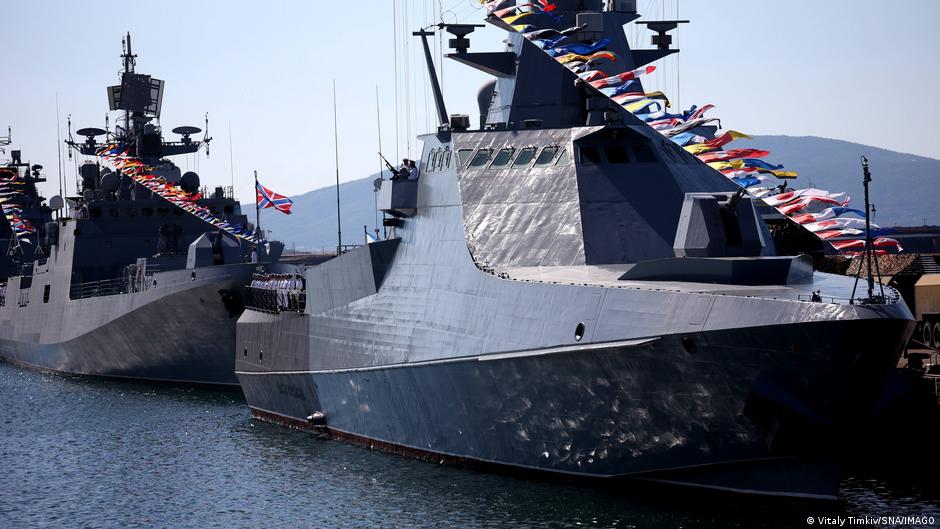
On August 12, the General Staff of Ukraine's Armed Forces and the Security Service of Ukraine (SBU) announced a significant strike against Russian naval assets in Novorossiysk, a strategic Black Sea port. According to Ukrainian sources, four Russian Navy ships sustained varying degrees of damage, notably the missile-equipped frigates "Admiral Essen" and "Admiral Makarov," both carriers of the Kalibr cruise missile system.
Details of the Naval Strike and Targeted Infrastructure
The Ukrainian military reported that the affected vessels include the two aforementioned frigates, the small missile ship "Buyan-M," and the patrol ship "Vasily Bykov." The SBU highlighted that the frigates play a key role in Russian missile strikes against Ukrainian territory, emphasizing the strategic value of the attack.
In addition to naval targets, several critical infrastructure objects in Novorossiysk were reportedly hit overnight. These include a radar station integrated into the S-300 anti-aircraft missile system, the "Grushovaya" oil depot, a mobile fire unit, and infrastructure at three port berths. According to the SBU, the offensive utilized Ukrainian drones and missile systems, such as the "Palyanytsya" reactive drones, "Neptune" missiles, and marine-based strike platforms.
"Ukrainian drones, reactive 'Palyanytsya' drones, 'Neptune' missiles, and maritime strike systems accurately engaged designated targets," the SBU stated.
While Ukrainian reports list the "Buyan-M" as damaged, the SBU’s official commentary did not mention this vessel specifically, indicating ongoing assessments.
Wider Impact on Regional Economy and Civilian Areas
According to independent reports from Reuters and Vedomosti, the attack also disrupted operations at the Novorossiysk grain terminal and the Novorossiysk Bread Products Combine (PJSC NKHP), both key components of the region's agricultural export infrastructure. The grain terminal, a crucial node for regional trade, reportedly sustained damage that may affect supply chains.
The governor of the Krasnodar region, Veniamin Kondratiev, confirmed casualties including three fatalities and 24 injuries resulting from the strike. He noted that approximately 60 residential buildings in Novorossiysk were damaged, with additional damage reported in nearby cities such as Gelendzhik, Anapa, and the Temryuk district due to drone debris. Local authorities described the scale of the drone assault as involving "hundreds" of unmanned aerial vehicles across the region.
The "Grushovaya" oil base, specifically mentioned in the attack, had previously experienced fire damage on June 8, according to Telegram channel ASTRA. This facility is connected via pipeline to the "Sheskharis" sea terminal, a loading point where oil is transferred onto tankers. It represents the terminus of Transneft’s main pipeline system in the Krasnodar region, underscoring the strategic economic impact of the strike.
Implications for Digital Security and Economic Stability
This latest offensive highlights the evolving nature of hybrid warfare, where digital technologies and drone systems play a pivotal role in targeting not only military assets but also critical infrastructure that supports economic and energy sectors. The use of drone swarms and precision missile strikes illustrates the increasing threat to port operations, supply chains, and energy distribution networks, raising concerns about regional cybersecurity and infrastructure resilience.
For the fintech and digital economy sectors, disruptions to logistics and energy supply chains can ripple through commodity markets, affecting trading platforms, insurance underwriting, and risk assessment models. Furthermore, the targeting of maritime and energy infrastructure in contested regions underlines the importance of advanced monitoring technologies, cybersecurity defenses, and resilient digital systems to mitigate operational risks.