Drone Attacks Disrupt Major Ozon Logistics Centers in Krasnodar and Stavropol Regions
Drone strikes on Ozon warehouses cause fires and operational halts, raising cybersecurity and supply chain concerns in Russia’s e-commerce sector.
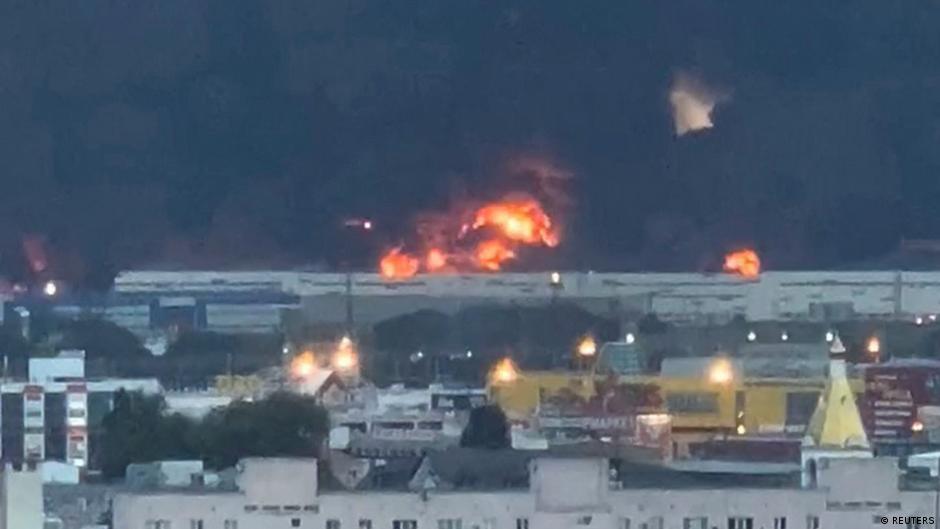
On August 24, drone attacks targeted key Ozon logistics centers in southern Russia, notably in Krasnodar and Stavropol regions, causing extensive fires and forcing emergency evacuations. These incidents highlight emerging vulnerabilities in the digital economy’s physical infrastructure and pose challenges to Russia’s rapidly growing e-commerce and logistics sectors.
Details of the Attacks and Their Impact on Operations
The Krasnodar logistics center, a crucial hub for Ozon’s order fulfillment, suffered significant damage after a drone strike led to a large-scale fire. Local authorities reported that fragments of the unmanned aerial vehicles fell across multiple locations in Krasnodar’s Prikubansky district. Emergency services promptly evacuated all staff, and preliminary reports suggest no casualties among warehouse employees.
“The fire broke out in the warehouse premises, and emergency responders are actively extinguishing it,” confirmed Evgeny Naumov, head of Krasnodar, via Telegram.
However, the collateral damage extended beyond the warehouse. Tragically, debris from the drones struck a private children’s center, resulting in two child fatalities and injuries to nine others, including both adults and children who were subsequently hospitalized.
Due to safety concerns, Ozon announced that the Krasnodar facility would suspend operations temporarily. Online orders involving goods stored at this center will not be fulfillable until further notice, and inbound supplier deliveries have been halted. Alternative logistics facilities are being mobilized to mitigate disruption.
Meanwhile, the neighboring Stavropol region experienced a similar drone strike targeting a massive 93,514 square meter Ozon warehouse in Nevinnomyssk, dedicated to storing and sorting food and non-food items. Local residents reported explosions, and regional authorities confirmed active air defense measures to counter ongoing drone incursions aimed at industrial zones.
Implications for Russia’s Digital Economy and Cybersecurity Landscape
The drone attacks on Ozon’s logistics infrastructure reveal critical security gaps in supply chain and digital commerce frameworks, especially as Russia’s fintech and e-commerce ecosystems expand. The incidents underscore the necessity for enhanced cybersecurity protocols that encompass physical asset protection against emerging aerial threats.
Ozon, a major player in Russia’s digital economy, depends on robust logistics networks to ensure reliable payment flows, timely deliveries, and customer trust. Disruptions of this scale can ripple through fintech platforms linked to Ozon’s operations, affecting payment settlements and potentially increasing risks of fraud or transaction delays.
Additionally, these attacks highlight the evolving nature of hybrid threats combining physical and cyber elements, prompting calls for integrated defense strategies. The use of drones in asymmetric attacks complicates traditional security measures, making advanced detection and response systems indispensable for safeguarding digital banking and fintech services intertwined with physical supply chains.
Industry analysts note that such incidents may influence investment patterns in technology stocks, particularly those tied to logistics automation, cybersecurity solutions, and drone detection technologies, as companies and governments strive to harden critical infrastructure.
As the digital economy grows increasingly interconnected, the resilience of payment systems, e-commerce platforms, and their underlying logistics hinges on comprehensive security frameworks addressing both cyber and physical vulnerabilities.