Venezuela Releases 131 Political Prisoners Following National Reconciliation Talks
The Venezuelan government freed 131 political detainees and agreed on judicial reforms after initial reconciliation negotiations with the opposition.
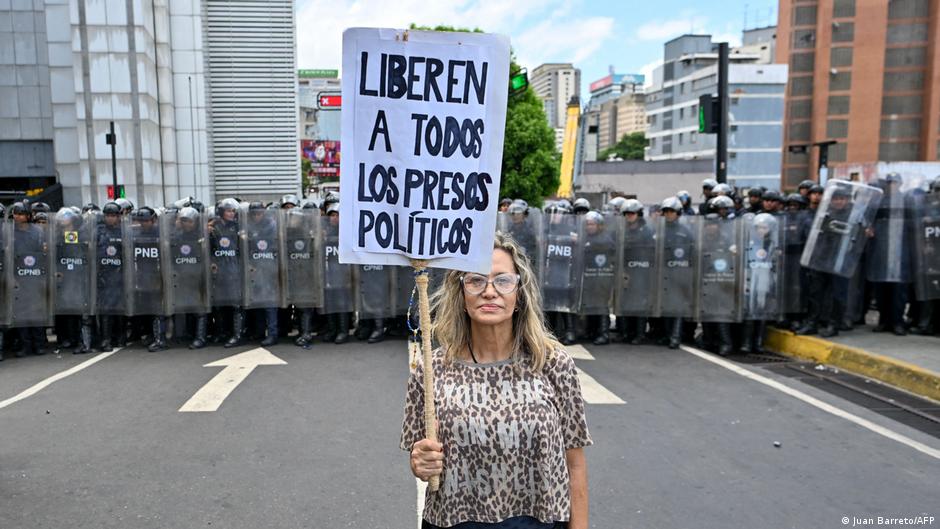
Following the first round of national reconciliation talks between Venezuela's government and opposition, the country’s authorities have released 131 political prisoners. This development marks a significant step toward easing political tensions in Venezuela.
The government announced that the released individuals had previously been detained due to alleged or confirmed participation in criminal activities, which led to the imposition of alternative restrictions on their freedom. However, details regarding these alternative measures remain unspecified.
“Not all have been freed, but all political prisoners deserve full freedom. We must continue to tirelessly demand this until every citizen reunites with their family,” said Dinora Figuera, leader of the opposition delegation in the talks.
US Secretary of State Marco Rubio described the release as an "important step toward national reconciliation," noting that over 1,000 political prisoners had been freed in Venezuela since the start of the year.
Implications for Venezuela’s Digital Economy and Financial Sector
While the political developments signal progress toward stability, they also have potential implications for Venezuela’s fintech landscape and broader digital economy. Political stability is critical for nurturing confidence in financial markets, including digital banking and payment platforms that have struggled amid economic turbulence and sanctions.
Judicial reforms—part of the agreements reached during the talks—could create a more predictable legal environment, which is essential for fintech companies and crypto ventures operating in Venezuela. Regulatory clarity and political goodwill may encourage investment in digital payment infrastructure and blockchain-based financial services, sectors that have grown in importance as traditional banking systems face challenges.
Moreover, easing political tensions might reduce the uncertainties surrounding cybersecurity risks linked to financial crimes and political unrest. A more stable environment can attract fintech innovations that improve payment systems, digital identity verification, and secure online transactions.
Under pressure from the United States, Venezuela’s acting president Delcy Rodríguez signed an amnesty law before the dialogue began, leading to the release of several hundred political prisoners. This move reflects Washington’s support for the reconciliation process, which could indirectly boost confidence among foreign tech investors monitoring the country’s evolving political landscape.
In summary, Venezuela’s release of political prisoners and judicial reform agreements could signal a gradual opening for fintech development and digital economic growth, provided the political dialogue continues positively and leads to sustained stability.