UK Detains Two Latvian Nationals After Breach at RAF Molesworth Base
The incident at a NATO and US intelligence site underscores the security risks facing critical infrastructure in an increasingly digital economy.
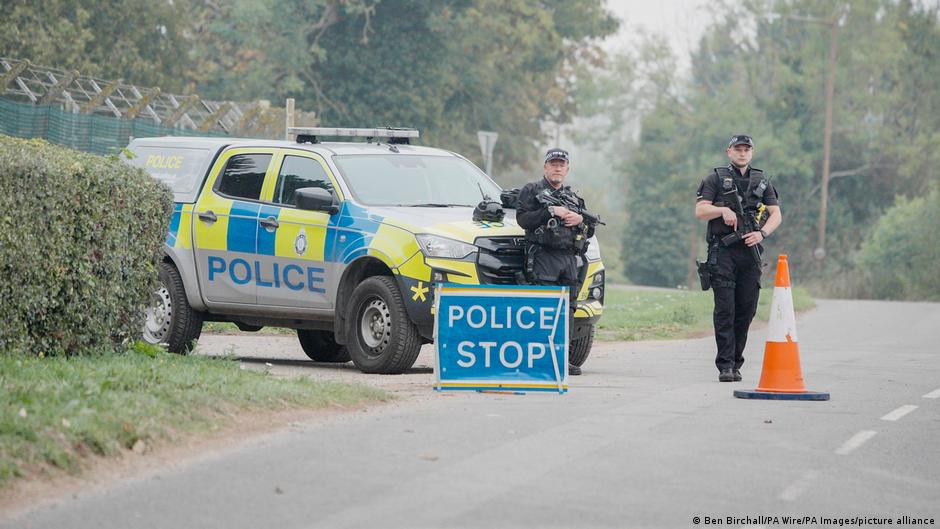
British counterterrorism police have detained two Latvian nationals after they allegedly entered the grounds of RAF Molesworth, an air base in southeast England that hosts NATO and US intelligence facilities. Authorities said the men damaged fencing around the site and were suspected of intending to “cause damage to the United Kingdom.”
The arrests, reported Thursday, October 8, came after the alleged intrusion took place overnight into October 8. The two detainees are men aged 32 and 36, according to police information cited by AFP. Investigators are now examining the circumstances of the breach, including how the men accessed the perimeter of the facility and what they intended to do once inside.
RAF Molesworth is not a commercial financial site, but the case is likely to be watched closely across sectors that depend on secure communications, intelligence flows and cyber resilience. Military and intelligence infrastructure sits behind many of the security assumptions that underpin payments, digital banking, data centers and technology markets. A physical breach at a sensitive facility can therefore carry significance beyond defense policy, even when no cyber incident has been reported.
Security concerns reach beyond the base perimeter
Police said the two men damaged a fence around the base. The authorities have not disclosed further details about the nature of the alleged damage, whether equipment was targeted, or whether any digital systems were affected. They have also not announced charges in the information available from the report.
Police said the apparent aim of the men was to “cause damage to the United Kingdom.”
For financial institutions and technology companies, the case highlights a familiar operational reality: the digital economy relies on physical infrastructure as much as software. Payment networks, banks, crypto platforms and cloud-based services all depend on secure facilities, energy supply, telecommunications and government security systems. Even when an incident is confined to a military location, it can sharpen attention on the broader challenge of protecting high-value sites from intrusion, sabotage or reconnaissance.
That concern is especially relevant for the United Kingdom, a major hub for global banking, fintech startups, foreign exchange, insurance technology and digital asset services. London’s financial system is deeply connected to international markets, and confidence in its resilience depends partly on the state’s ability to secure critical infrastructure and intelligence capabilities.
The report does not indicate that the RAF Molesworth incident involved payments systems, crypto assets, banks or financial technology companies. Nor does it allege any market impact. But for investors in technology and cybersecurity stocks, episodes involving sensitive sites can reinforce demand for perimeter security, surveillance systems, identity controls, threat intelligence, and integrated cyber-physical defense.
No indicated link to RAF Fairford incident
A police representative said that, for now, “nothing indicates” a connection between the RAF Molesworth breach and a separate incident at RAF Fairford, another Royal Air Force base, in late September.
In that earlier case, a local resident reported “suspicious” activity near the base. Police later found three vans containing “some amount” of gasoline, according to the report. The area was cordoned off and residents of a nearby village were evacuated. Seven suspects were detained, but all were later released under certain conditions, dpa reported.
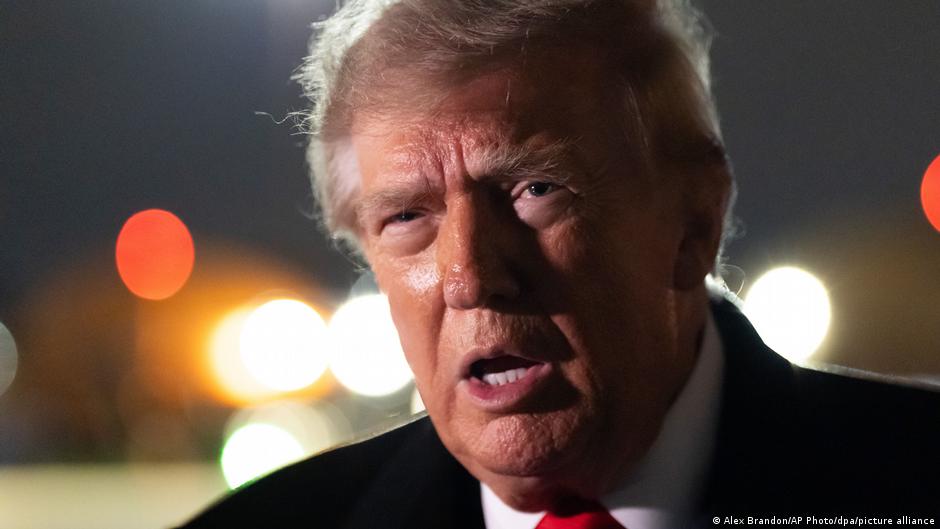
The Fairford incident had an additional geopolitical dimension. The United States decided to withdraw American B-1 bombers that had been based at RAF Fairford. US President Donald Trump explained the decision by citing “threats” from people he said were “linked to Iran.”
Authorities have not said that the RAF Molesworth case is related to Iran, the RAF Fairford arrests, or the US bomber withdrawal. The available police statement points instead to an ongoing investigation into the conduct of the two Latvian nationals detained after the Molesworth perimeter was breached.
Still, the timing of the incidents is notable for risk managers. In financial markets, security developments around NATO, US military assets and UK infrastructure can feed into broader assessments of geopolitical risk. Those assessments can affect investor appetite for defense technology, cybersecurity vendors and companies providing infrastructure protection. They may also influence how banks and payment providers think about business continuity planning during periods of elevated security concern.
Modern fintech and digital banking depend on trust in uninterrupted service. A consumer tapping a card, a merchant settling transactions, or a crypto exchange securing customer accounts may appear far removed from an air base perimeter. But the same economy relies on layered defenses: secure facilities, reliable networks, intelligence sharing, law enforcement response and cyber monitoring. Weakness in one layer can force institutions in adjacent sectors to reassess their own exposure.
For cybersecurity firms, incidents of physical intrusion at sensitive sites also underline the convergence of digital and physical risk. Cameras, access control systems, networked sensors and incident-response platforms increasingly operate as part of a single security architecture. If an intruder damages a fence, investigators may examine video feeds, access logs, communications records and other digital evidence. That overlap is one reason the market for security technology is increasingly tied to both cyber threats and real-world infrastructure protection.
The immediate facts remain limited. Two Latvian citizens, aged 32 and 36, were detained after allegedly entering RAF Molesworth, damaging fencing and prompting a counterterrorism investigation. Police say the incident occurred overnight into October 8 and that the apparent aim was to cause damage to the UK. At this stage, officials say there is no indication of a link to the RAF Fairford case from late September.
For the financial and technology sectors, the case is a reminder that resilience is not only a matter of encryption, fraud controls or capital buffers. It also depends on the stability of the wider security environment in which digital systems operate.