Rising Desertion Among Ukrainian Soldiers in Germany Highlights Challenges for Military Training Programs
Since 2022, hundreds of Ukrainian soldiers undergoing training in Germany have deserted, raising concerns about military preparedness and legal repercussions.
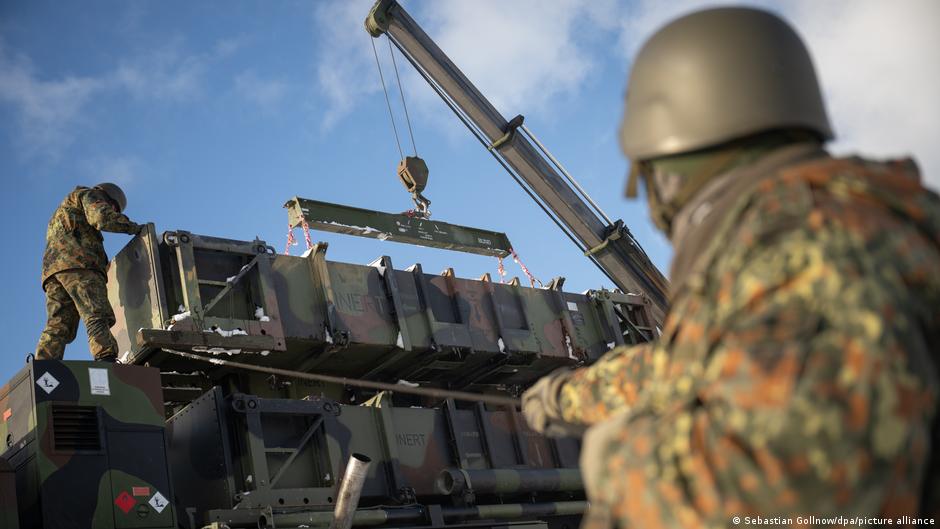
Since the escalation of the conflict in Ukraine in early 2022, Germany has hosted thousands of Ukrainian soldiers for military training programs designed to enhance their combat readiness. However, recent reports indicate a significant and growing number of Ukrainian servicemen are deserting these courses on German soil, presenting both operational and legal challenges.
Desertion Trends and Legal Implications
According to data emerging from the federal state of Saxony-Anhalt, over 80 Ukrainian soldiers have unlawfully left their training units since 2022. Across Germany, the total number of such desertions reportedly reaches into the hundreds. This phenomenon has raised alarms within military and governmental circles due to its scale and implications.
Under Ukrainian law, unauthorized abandonment of military service is classified as desertion and can lead to severe penalties, including imprisonment for up to 12 years. This legal framework complicates reintegration for those who abandon their posts abroad, as well as diplomatic relations concerning their legal status.
“Many of the soldiers sent to Germany for training were conscripted forcibly into the armed forces, and a growing number lack prior combat experience or motivation to fight,” reported the German publication Die Zeit.
Military Training in Germany Amid Evolving Dynamics
Since February 2022, approximately 29,000 Ukrainian military personnel have participated in several-week-long training courses across German military ranges. Initially, participants were predominantly motivated and seasoned soldiers. However, as the conflict extends, the demographic has shifted to include more individuals without combat experience or willingness to engage in active warfare.
The desertion cases frequently occur at training sites such as the Altengrabow military range in Saxony-Anhalt. Unlike civilian Ukrainian refugees who receive protection under temporary asylum regulations in Germany, these soldiers do not benefit from such legal provisions due to their active military status.
The rising desertion rate presents multiple challenges. From a cybersecurity and digital economy perspective, it may affect secure communications and coordination efforts within training programs relying on digital infrastructure. Additionally, the phenomenon could influence the perception of Ukrainian military readiness, potentially impacting defense-related tech investments and the broader fintech ecosystem supporting cross-border military logistics and payments.
These developments underscore the complexities of integrating foreign military personnel into training regimes and highlight the need for comprehensive support systems that address not only tactical skills but also psychological and legal factors.