EU Adds €710 Million in Aid as Crisis Funding Tests Digital Delivery
The European Union’s new humanitarian package highlights how cash transfers, payment rails and crisis logistics are becoming central to aid policy.
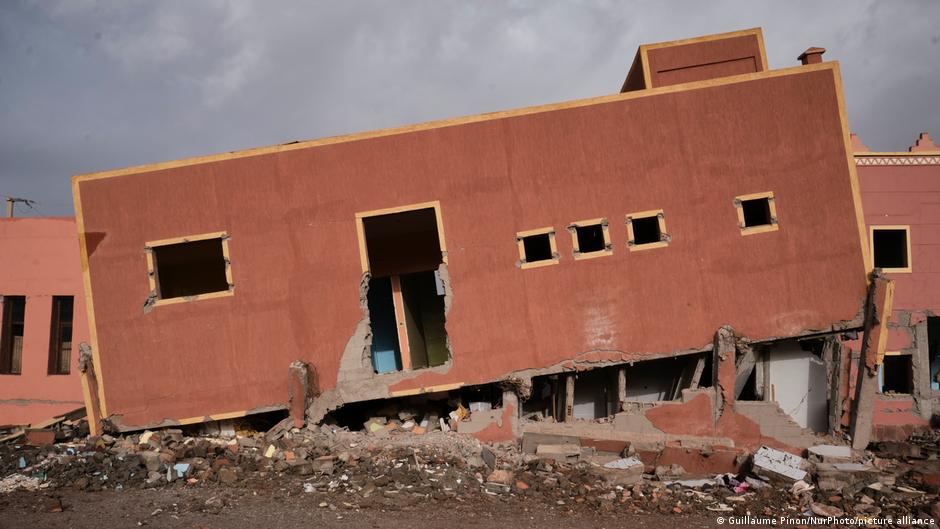
The European Union will allocate an additional €710 million in humanitarian assistance for people affected by conflicts, natural disasters and other crises around the world, European Commission President Ursula von der Leyen said on Saturday, September 26. The announcement was made in a video address to participants of the Global Citizen Festival in New York, which was later canceled because of bad weather.
While the funding is framed primarily as humanitarian support, it also carries implications for the digital economy that increasingly underpins emergency aid. Large-scale crisis response now depends not only on food, medicine and shelter procurement, but also on payment infrastructure, identity systems, data security and banking access for displaced people and host communities.
Von der Leyen said particular attention would be paid to Africa, as well as to forcibly displaced people and the communities receiving them. About €380 million will be directed toward migration-related measures in African countries south of the Sahara. The funding will include support for the most vulnerable groups of migrants, as well as assistance for return to countries of origin and reintegration.
Particular attention will be paid to Africa, forcibly displaced people and the communities hosting them.
Cash Support Puts Payment Systems in Focus
Another €252 million will go toward emergency assistance linked to active armed conflicts, forced displacement, epidemics and natural disasters. Of that amount, €97 million will be sent to countries in sub-Saharan Africa, €103 million to the Palestinian territories and Lebanon, and €52 million to Ukraine, including support for winter preparedness.
For fintech and digital banking providers, the structure of such aid packages matters because humanitarian programs increasingly use direct cash payments alongside traditional procurement. The source material states that funds are used for food purchases, medical assistance, housing reconstruction, cash payments and preparation for winter. Each of these categories can require fast, traceable and resilient financial infrastructure, especially in regions where banking networks are strained by war, displacement or damaged public services.
The EU package also underscores the growing importance of secure payout systems in humanitarian finance. Cash assistance to displaced people can involve banks, mobile money operators, prepaid cards, aid-agency payment platforms and verification tools. In crisis settings, those systems face heightened risks: fraud, identity theft, sanctions compliance issues, cyberattacks and data exposure involving vulnerable populations.
The announcement did not name specific fintech vendors, crypto platforms or payment service providers. It also did not indicate that any part of the €710 million package would be routed through digital assets. Still, the scale of the spending illustrates why humanitarian finance has become a closely watched area for payment companies, cybersecurity specialists and digital identity providers seeking public-sector and international organization contracts.
Africa, Ukraine and the Middle East Remain Core Priorities
Smaller amounts are planned for the Great Lakes region of Africa and for efforts to combat an Ebola outbreak in the eastern Democratic Republic of Congo. The combination of armed conflict, epidemic response and population displacement places pressure on both conventional banking networks and digital service providers that support field operations.
For 2026, the European Union has budgeted about €1.9 billion for humanitarian assistance worldwide. According to European Commission data cited in the source article, the largest spending lines are €557 million for countries in sub-Saharan Africa and €463 million for the Middle East and North Africa.
Ukraine remains another major recipient. The EU initially allocated €145 million in humanitarian aid for Ukraine in 2026, but in recent months the volume of humanitarian assistance for Ukraine and Moldova was increased to €248 million. These funds are directed toward food procurement, medical assistance, housing reconstruction, cash payments and winter preparedness.
Since the start of Russia’s full-scale war against Ukraine, the European Commission has allocated more than €1.4 billion to humanitarian aid programs for Ukraine. The continued rise in support for Ukraine and Moldova points to sustained demand for cross-border financial channels, reliable disbursement tools and secure coordination among governments, aid organizations and local service providers.
For technology investors, the immediate market impact of the EU announcement is indirect. The package is not a corporate earnings event and does not specify listed suppliers. But humanitarian and migration-related spending can shape demand across the broader digital public infrastructure market, including payment processing, cloud services, compliance technology, cybersecurity and digital banking access in fragile environments.
The aid also arrives as governments and development institutions put more emphasis on auditable delivery. In practice, that can mean stronger transaction monitoring, better beneficiary verification and tighter controls against misuse of funds. Those requirements overlap with technologies already used in regulated fintech, including anti-money-laundering systems, know-your-customer checks and secure data management.
The European Union’s latest commitment therefore sits at the intersection of humanitarian policy and digital infrastructure. Its stated objective is emergency relief for people affected by wars, disasters and epidemics. Its operational challenge is ensuring that hundreds of millions of euros move quickly, securely and transparently through financial and logistical systems that are often operating under extreme pressure.