UN Peacekeeping Force Numbers Plunge to 25-Year Low Amid Funding and Geopolitical Strains
UN peacekeeping personnel dropped to 78,633 by end of 2025, driven by financial shortfalls and geopolitical tensions affecting global stability efforts.
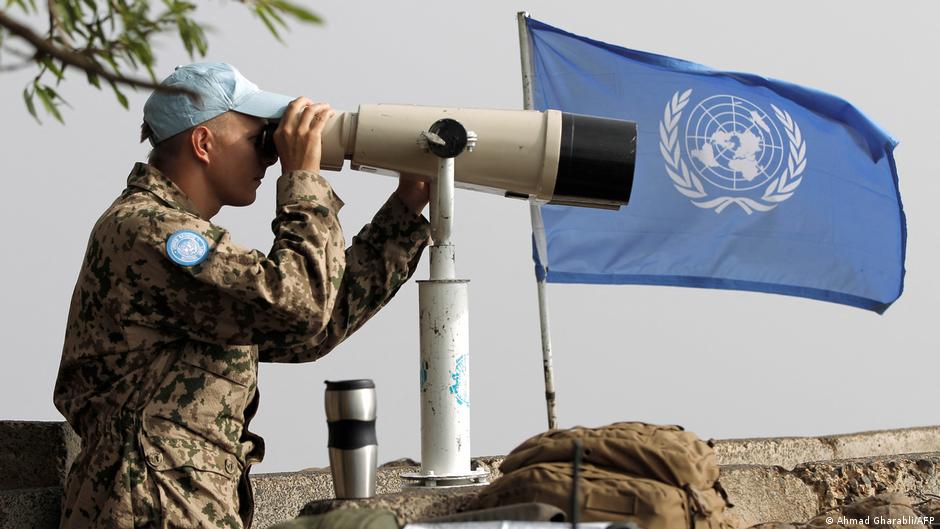
The United Nations’ peacekeeping missions are facing an unprecedented challenge as their personnel numbers have fallen to the lowest level in 25 years. According to a recent report by the Stockholm International Peace Research Institute (SIPRI), the total number of peacekeepers deployed worldwide declined sharply due to a combination of geopolitical pressures, political interference, and severe funding deficits.
Funding Crisis and Political Challenges Undermine Peacekeeping Operations
As of December 31, 2025, there were only 78,633 international personnel engaged in UN peacekeeping operations globally — a staggering 49% decrease compared to 2016 and the smallest contingent since 2000. This decade-long downward trend accelerated dramatically in 2025, with a 17% year-over-year reduction in peacekeeping staff.
"If this trajectory continues, we will witness a dramatic weakening of multilateral conflict resolution efforts and a near-total erosion of institutions like the UN due to funding crises and geopolitical factors," warned Yair van der Lijn, Director of SIPRI’s Peace Operations Program.
The financial shortfall is acute. Major donor countries have either delayed or withheld their contributions, leaving UN peacekeeping missions with a $2 billion deficit in July 2025 alone — amounting to 35% of their $5.6 billion budget for 2024-2025. Consequently, the UN has been forced to scale back personnel across multiple missions.
Compounding funding woes are political hurdles within the UN Security Council, where permanent members have imposed veto threats and stringent demands that obstruct the renewal of peacekeeping mandates. For instance, the United States pushed for the conclusion of the UN Interim Force in Lebanon (UNIFIL) during 2025 negotiations, despite ongoing ceasefire violations in the region. The Security Council eventually compromised by extending the mission only until December 2026.
Regional Peacekeeping and the Growing Operational Gaps
Despite the challenges, peacekeeping activities continue, with 58 international missions active in 34 countries or territories throughout 2025 — four fewer than the previous year. Nearly three-quarters of deployed personnel are concentrated in just five missions, predominantly in Sub-Saharan Africa.
Regional organizations such as the African Union, ECOWAS, and the Organization for Security and Co-operation in Europe (OSCE) have taken on some peacekeeping roles. However, SIPRI notes these bodies face similar obstacles, including inadequate funding and geopolitical deadlock delaying decision-making, as seen in Sudan and Ukraine.
"Regional organizations lack the critical capacities required for successful, integrated peacekeeping and suffer from the same financing and political challenges as the UN," said Claudia Pfeiffer Cruz, Senior Researcher at SIPRI. "As UN-led conflict resolution efforts wane, a widening gap emerges that alternative models cannot fill."
Implications for Global Stability and Digital Economy Sectors
The decline in UN peacekeeping effectiveness raises significant concerns beyond traditional security domains. For the fintech, digital banking, and cybersecurity industries, geopolitical instability can disrupt international payment systems, complicate regulatory cooperation, and increase risks of cyber conflict in fragile zones.
Moreover, tech stocks linked to defense and security sectors may face volatility as governments reconsider their commitments to peace operations and related digital infrastructure projects. Investors and policymakers need to monitor these geopolitical shifts to anticipate potential impacts on cross-border transaction security and the broader digital economy.
However, there remains a broad consensus among UN member states about the value of peacekeeping. Over 130 countries participated in the 2025 UN Peacekeeping Ministerial Forum in Berlin, underscoring a collective willingness to support multilateral conflict management — provided sustainable funding and political frameworks can be established.
"The collapse of multilateral crisis management is not inevitable," emphasized Claudia Pfeiffer Cruz. "States must go beyond verbal support and secure predictable financing alongside a political foundation that enables effective peacekeeping missions."