CIA Director Highlights Impact of AI-Driven Drones on Russian Soldier Fatalities in Ukraine Conflict
Advancements in AI-powered drone technology significantly reduce Russian troop survival time, reshaping battlefield dynamics and defense strategies.
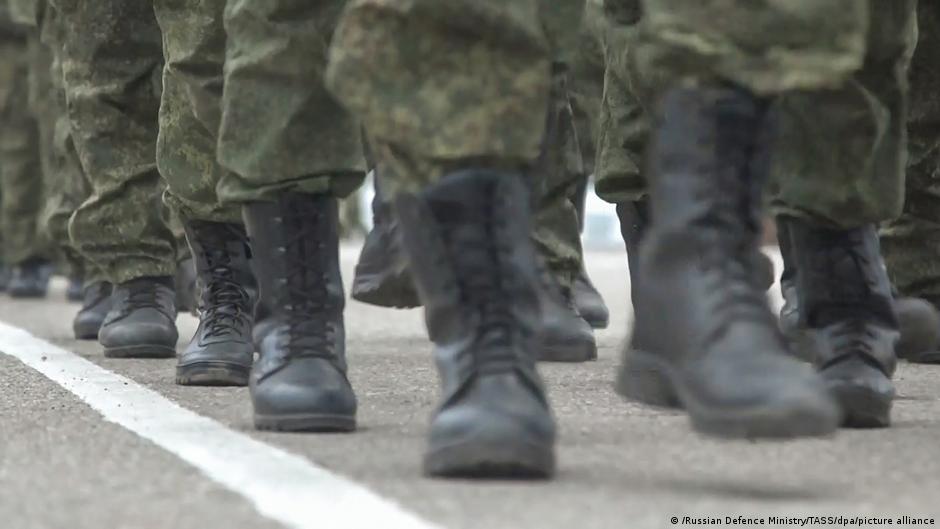
John Ratcliffe, Director of the Central Intelligence Agency (CIA), revealed critical insights into the evolving battlefield landscape in Ukraine, emphasizing the profound impact of artificial intelligence (AI)-driven drone technology on Russian military casualties. Speaking at the Defense and Innovation Summit in Pennsylvania, Ratcliffe stated that the average survival time of a newly deployed Russian soldier on the Ukrainian front is between 20 to 30 minutes.
AI-Enabled Drones Revolutionize Modern Warfare and Influence Defense Economics
According to Ratcliffe, the rapid technological adoption by Ukrainian forces, particularly the use of specialized, cost-effective AI-powered unmanned aerial vehicles (UAVs), has been a decisive factor in equalizing the battlefield against a larger Russian force. These drones function as highly efficient “machines of precision kill,” drastically reducing Russian troop survivability.
“Our intelligence aligns with open-source reports indicating the emergence of AI-enabled drones as lethal, affordable assets transforming the war dynamics,” Ratcliffe remarked.
From a fintech and digital economy perspective, the rise of AI in military applications exemplifies the expanding scope of digital transformation beyond commercial sectors into national defense. The integration of AI and robotics in battlefield operations also underscores the growing importance of cybersecurity and autonomous systems in geopolitical stability.
Financially, the increased deployment of AI-driven drones impacts defense budgets, procurement strategies, and the investment landscape in tech stocks related to defense and cybersecurity. Defense firms specializing in AI, robotics, and drone technology are positioned to see notable interest from investors as demand surges for advanced warfare capabilities.
Escalating Casualty Ratios Reflect Technological Leverage
Experts from the Center for Strategic and International Studies (CSIS) report that since the full-scale invasion in February 2022, approximately 2 million military personnel have been killed, wounded, or are missing in action, with 1.4 million casualties on the Russian side. The casualty ratio between Russian and Ukrainian forces has worsened significantly, with Russian losses climbing to an estimated 8:1 in the first half of 2026, a stark increase from the 2:1 or 3:1 ratios observed earlier in the conflict.
Crucially, over 90% of Russian casualties have reportedly resulted from drone strikes rather than conventional ground combat. This shift underscores the paradigm change in warfare where AI and drone technology dictate battlefield outcomes and operational risk.
The growing reliance on autonomous systems and AI is prompting defense ministries worldwide to rethink troop deployment, force protection measures, and supply chain cybersecurity risks. Additionally, the effectiveness of these technologies in the Ukraine conflict accelerates broader adoption trends in digital defense systems, stimulating innovation and investment across the fintech and defense tech sectors.
As military technology evolves, fintech firms and digital banking sectors may also face indirect impacts in global risk assessments, insurance models, and international capital flows related to defense equities and cybersecurity exposures. This convergence of AI, military tech, and financial markets highlights the multifaceted influence of digital innovations beyond traditional commercial use cases.