US Military Strikes in Iran Escalate Tensions Amid Maritime Blockade Enforcement
US forces launched multi-wave attacks on Iranian military infrastructure and tanker vessels, intensifying regional security risks and impacting global shipping lanes.
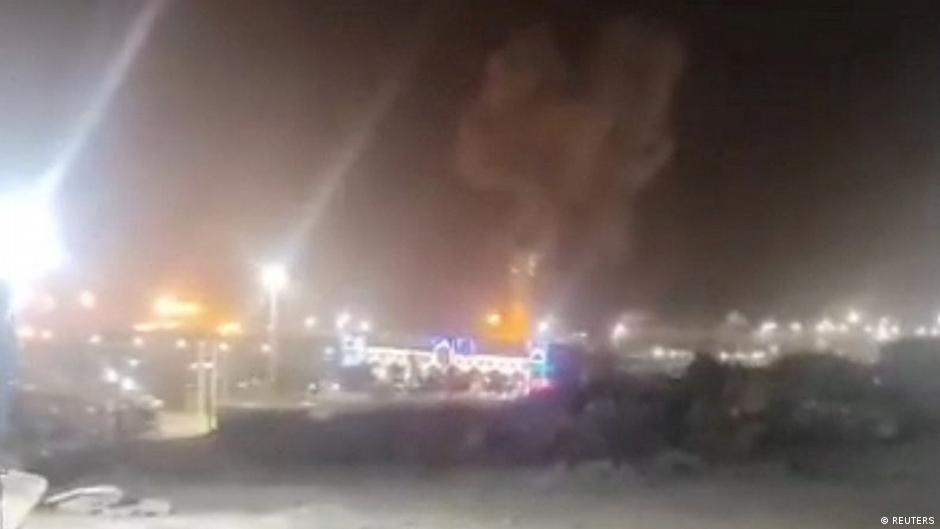
The United States military executed two rounds of airstrikes targeting Iranian military and infrastructure sites, alongside an assault on an oil tanker in the Persian Gulf, marking a significant escalation in regional tensions. Tehran retaliated by attacking US bases in Bahrain and Kuwait, raising concerns about extended conflict implications for maritime security and digital economic stability.
Impact on Maritime Security and Digital Economy
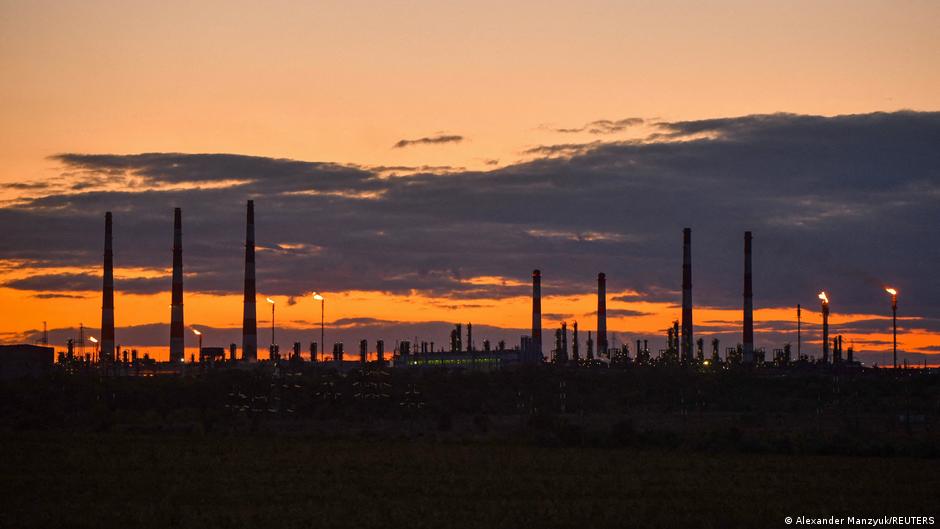
The US Central Command (CENTCOM) reported that the initial wave of airstrikes focused on strategic port facilities in Sirik and Bandar Abbas along the Strait of Hormuz, a critical chokepoint for global oil shipments. Additionally, infrastructure on Qeshm Island, including a fishmeal production plant, sustained damage. These strikes directly affect maritime logistics and have ripple effects on global energy markets, digital payment systems tied to oil trade, and shipping insurance sectors.
Following the initial attacks, a second wave targeted Iranian command centers, air defense systems, missile and unmanned aerial systems (UAS), and coastal observation posts. These actions aim to degrade Iran's capability to threaten commercial vessel crews operating in the region, but they also increase cybersecurity risks and operational uncertainties for digital platforms managing shipping data and financial transactions.
"The strikes are intended to further weaken Iran’s ability to threaten commercial shipping crews, but they also increase risks for digital payment systems and logistics networks dependent on secure maritime routes," explained a defense analyst.
In a notable enforcement move, US forces disabled the oil tanker M/T Belma, flagged in Curaçao, after it attempted to breach the maritime blockade by approaching the Iranian port of Kharg Island. A US military aircraft launched Hellfire missiles to neutralize the vessel's smoke stack, effectively preventing its entry. This assertive blockade reinstated just days earlier disrupts conventional shipping operations and introduces volatility in blockchain-based cargo tracking and insurance claims processing.
Tehran's response involved attacks on US naval bases in Bahrain and Kuwait, including explosions at the Fifth Fleet's headquarters. These retaliatory strikes led to partial airspace closures over Saudi Arabia and Jordan, further complicating regional air freight and digital trade routes. Iranian forces also claimed to have shot down a US MQ-9 drone using their Revolutionary Guard's air defense, indicating an escalation in unmanned warfare technologies.
Simultaneously, US Vice President JD Vance remarked that despite the complexity and unpredictability of the situation, ongoing economic sanctions combined with diplomatic engagement with pragmatic Iranian leaders represent a multifaceted strategy. This approach reflects the growing intersection of geopolitical conflict with fintech tools such as sanctions enforcement via digital currencies and cyber negotiations.
The unfolding confrontations underscore the vulnerabilities of digital banking and payment infrastructures that are intertwined with global trade and energy security. Financial markets, including tech stocks related to cybersecurity and defense technology, are closely monitoring these developments as they hold broad implications for digital economy stability.