German Foreign Minister Defends International Criminal Court Amid U.S. Opposition
Germany reaffirms support for the International Criminal Court as the U.S. escalates diplomatic and legal measures against the tribunal.
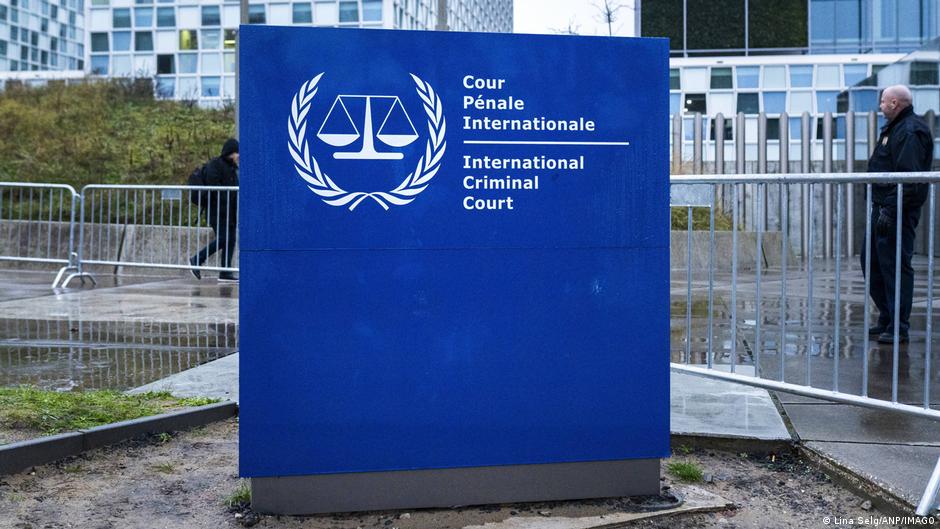
The German Foreign Minister Johann Wadephul has publicly defended the International Criminal Court (ICC) following a recent campaign initiated by the United States to undermine the tribunal's authority. In an interview with Redaktionsnetzwerk Deutschland, Wadephul emphasized the ICC's role in promoting international justice and security.
International Justice and Sovereignty Concerns
"The International Criminal Court makes the world safer and fairer," Wadephul stated. He highlighted the ICC's critical work prosecuting heinous crimes including the recruitment of child soldiers and holding perpetrators accountable. According to the minister, while the ICC may have imperfections, these do not justify questioning the very existence and achievements of the institution.
"It is extremely important to protect the ICC as an independent organization,"
Wadephul said, underscoring Germany's commitment to upholding international courts and a rules-based global order.
Meanwhile, the European Commission spokesperson Anwar al-Anuni rejected the U.S. claim that the ICC threatens American sovereignty. Al-Anuni stressed that attacks or threats against the court, its staff, or collaborators are unacceptable and reiterated that the ICC does not target sovereign states or undermine their sovereignty.
On July 13, the U.S. State Department accused the ICC of posing an "unacceptable threat to U.S. sovereignty," citing the court's investigations into American military personnel and officials. The statement reaffirmed that the U.S. has never consented to ICC jurisdiction, noting that all U.S. presidents since the court's establishment have opposed it. The United States has not ratified the Rome Statute, which created the ICC.
The State Department further criticized the ICC for refusing to close investigations concerning U.S. personnel, accusing the court of attempting to become an unaccountable global arbitrator placing itself above national governments. In a video address, Secretary of State Marco Rubio described this as a legal war against the U.S., "not with bullets or rockets, but through legal norms, international agreements, and so-called international law."
The U.S. campaign against the ICC includes diplomatic efforts to persuade other countries to highlight alleged ICC abuses, calls for states to withdraw from the court, refusal to cooperate with ICC prosecutions of Americans, visa bans on ICC officials, and the threat of intensified sanctions.
Washington aims to systematically restrict the ICC's capacity to investigate or prosecute American military members and officials, thereby protecting U.S. sovereignty from perceived external legal threats.
It is notable that previous U.S. administrations under President Donald Trump had also imposed sanctions against ICC personnel, which were rolled back by President Joe Biden in 2021 during his first year in office.
The ongoing tension between the ICC and the U.S. government highlights complex intersections between international law, national sovereignty, and global governance — significant issues that resonate in the context of geopolitical risk management and regulatory compliance in global finance and technology sectors.