Hungary Blocks Ukraine's EU Accession Talks, Impacting Digital Economy Integration
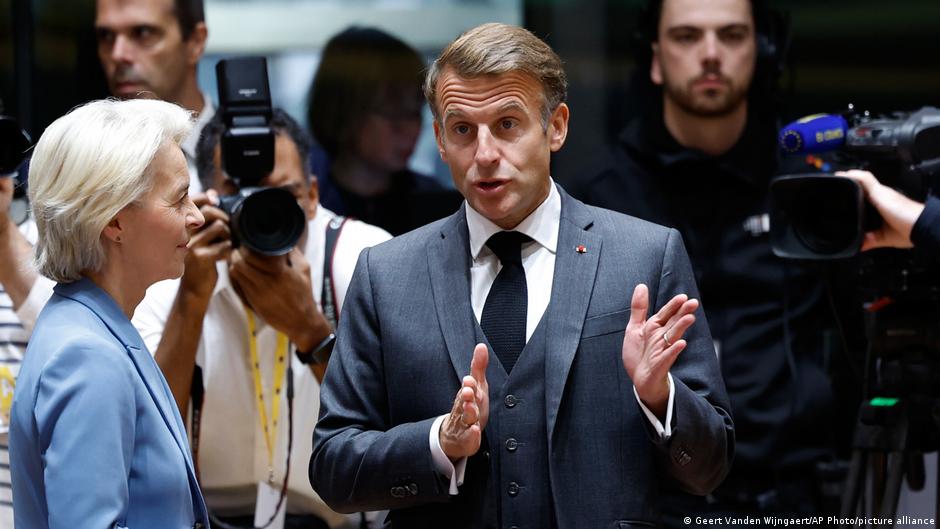
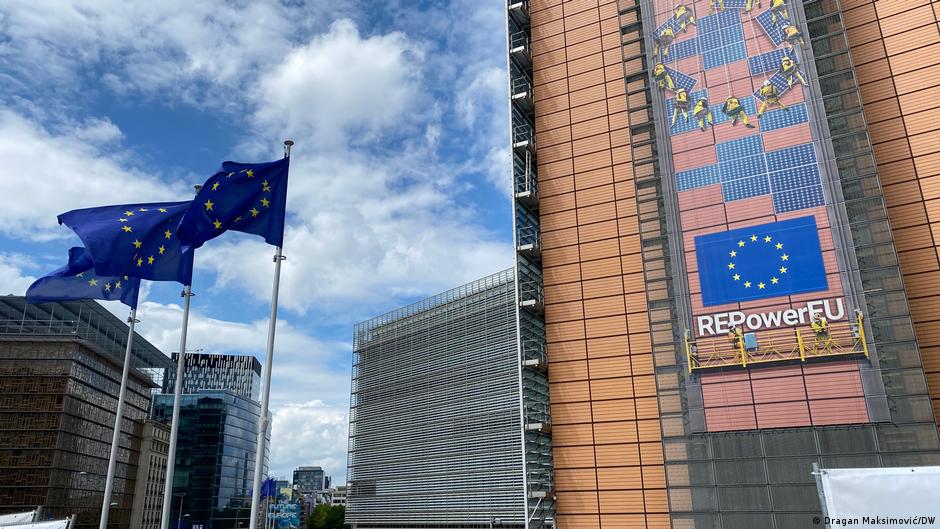
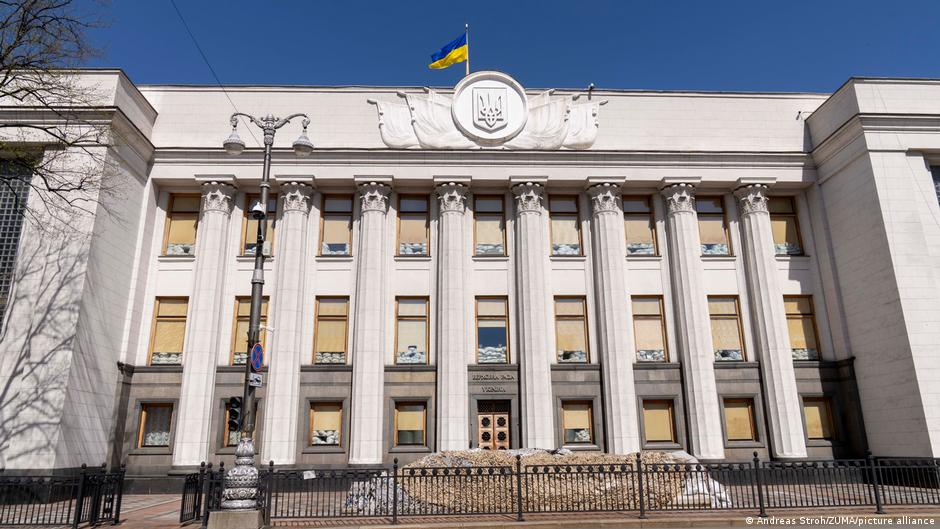
Hungary’s veto on key EU negotiation clusters delays Ukraine’s integration into digital economy frameworks, affecting fintech, payments, and cybersecurity progress.

Hungary’s veto on key EU negotiation clusters delays Ukraine’s integration into digital economy frameworks, affecting fintech, payments, and cybersecurity progress.

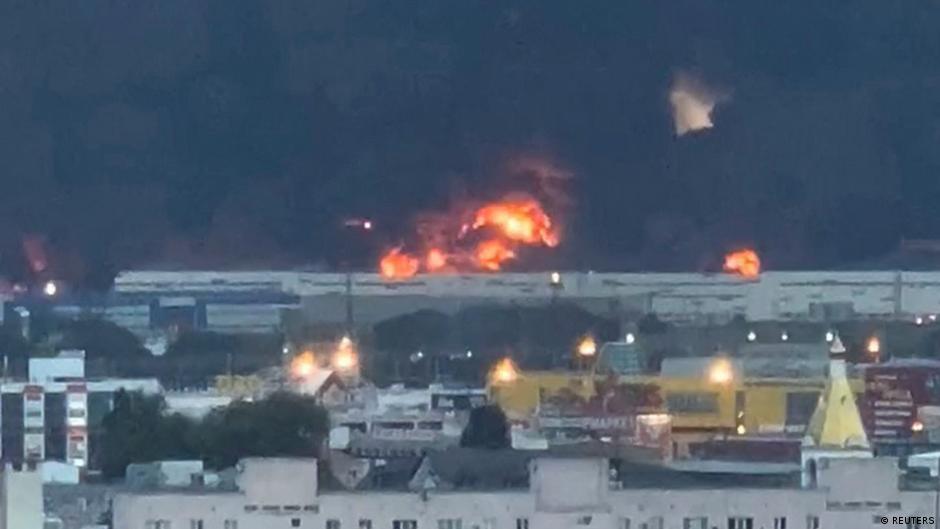
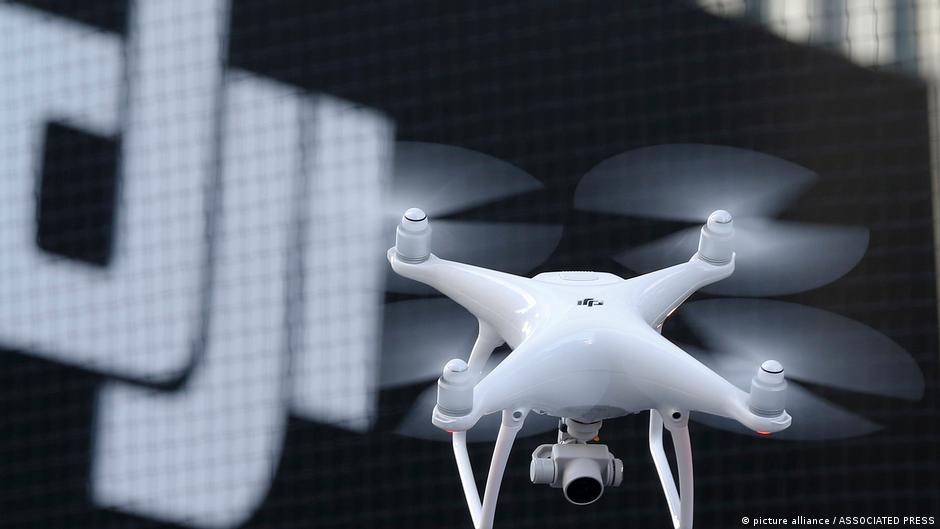
Ukrainian drone strikes on Russian logistics centers and urban areas disrupt supply chains, highlighting vulnerabilities in critical infrastructure and digital economy security.

CIA Director John Ratcliffe highlights how AI-powered drones drastically cut Russian soldier survival times in Ukraine, reshaping warfare and defense tech investment landscapes.

Ukraine's parliament is set to approve Sergey Koretsky as the new Prime Minister, marking a significant government reshuffle with implications for the digital economy and energy sectors.

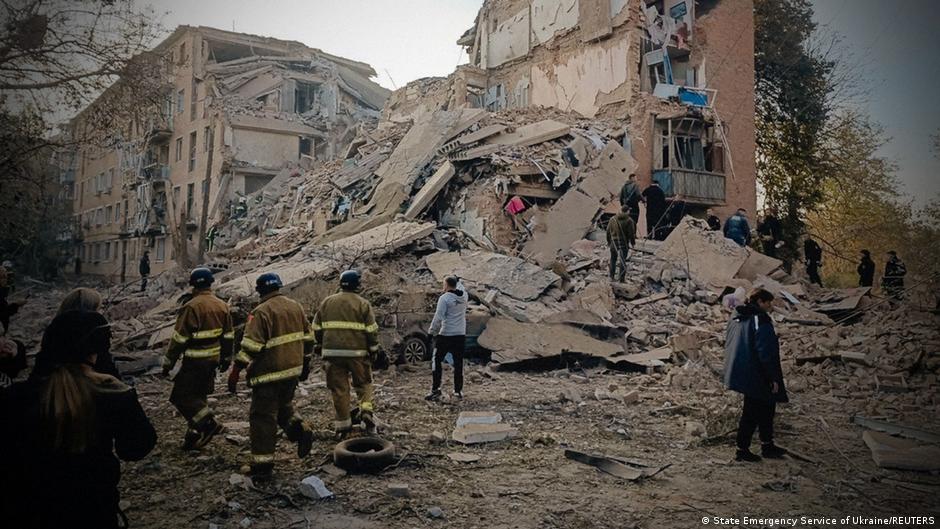
Russian missile and drone strikes on Kyiv and Kharkiv raise concerns about the resilience of Ukraine's digital economy, fintech hubs, and cybersecurity infrastructure amid ongoing conflict.

The US is advancing plans to restore an Iraq-Syria oil pipeline bypassing the Strait of Hormuz, aiming to reduce Iran's influence and reshape regional energy routes.

Uzbekistan's digital water management reforms significantly reduce water stress, promoting sustainable resource use and creating opportunities for fintech and green innovation.

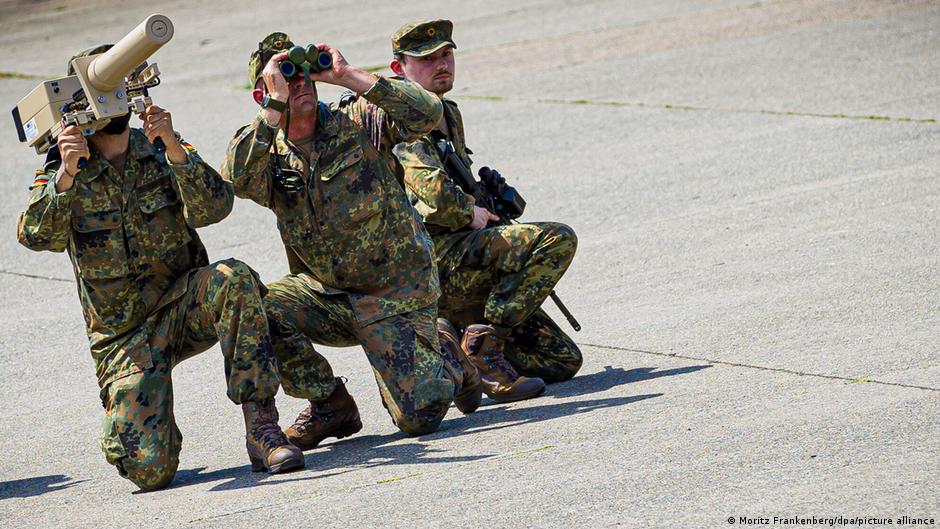
Germany reports a sharp rise in military service refusals amid security challenges and conscription reforms, impacting the digital economy and cybersecurity workforce.

German President Steinmeier urges Europe to uphold international order amidst geopolitical challenges, emphasizing the impact on digital economy, fintech, and cybersecurity.

Russian drone strikes in Kharkiv and Dnipro cause civilian harm and infrastructure damage, raising cybersecurity and economic risks for Ukraine’s digital economy and fintech sector.

The death of Iran’s Supreme Leader Ali Khamenei and subsequent regional tensions pose risks to digital banking, payments, and cybersecurity in the Middle East’s fintech sector.

The US plans to remove Syria from the terrorism sponsorship list, opening doors for investment and digital economic integration amid new diplomatic ties.

Uzbek aluminium producer AKFA Aluminium plans its first international bond issuance and investor roadshows in London to boost corporate transparency and governance.

Germany's record €124.7 billion defense budget for 2026 will boost cybersecurity and digital infrastructure, influencing fintech and digital banking sectors amid NATO commitments.
US military strikes on Iran retaliate against tanker attacks in the Strait of Hormuz, raising risks for maritime trade, energy markets, and digital financial ecosystems.

Germany's 2027 budget boosts defense spending and borrowing amid security concerns, raising fintech sector worries about future funding for digital innovation and economic growth.

Russian missile and drone attacks in Ukraine disrupt logistics and digital payment infrastructure, raising cybersecurity concerns for the fintech sector amid ongoing conflict.

"Gazprom" partners with Russia's Defense Ministry to create mobile units protecting gas infrastructure, blending civilian employment with military reserve duties amid rising security concerns.

A poll finds 45% of Germans oppose banning the far-right AfD, which leads the CDU/CSU by 8%, signaling political shifts that could impact fintech and digital economy sectors.

A DGB study reveals 40% of Germans doubt they can work until retirement due to strenuous job conditions, highlighting challenges for labor and digital economy sectors.

Latvian President Edgars Rinkēvičs urges NATO to prepare for possible escalation with Russia, highlighting the need for stronger military capabilities and US partnership.

Russian strikes on multiple Ukrainian regions damage critical infrastructure, affecting logistics, digital banking, and fintech services amid ongoing conflict.

Russia authorizes use of higher-sulfur Euro-3 fuels domestically until 2026 to address supply disruptions caused by attacks on refineries, excluding exports to EAEU states.
The US has once again extended a 30-day license allowing Serbian oil company NIS, controlled by Gazprom, to operate under sanctions while the sale of Gazprom’s stake faces delays.

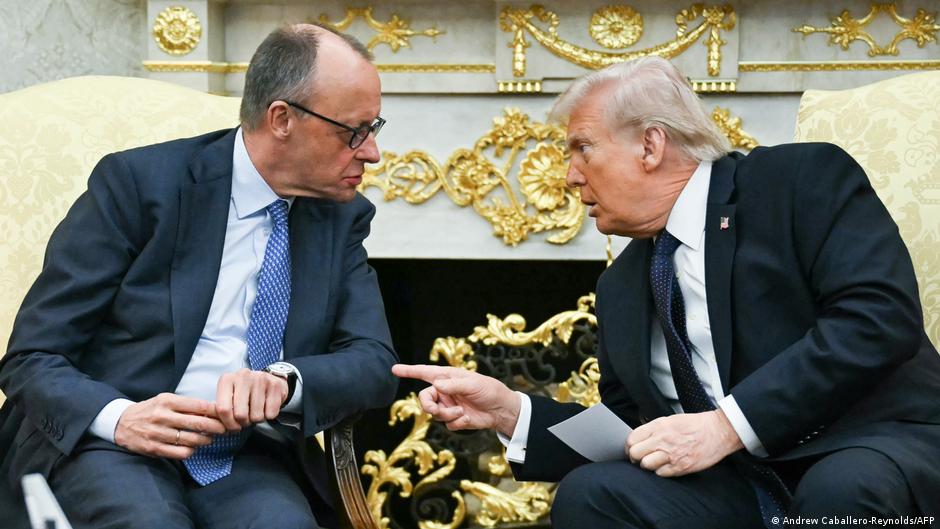
German and US foreign ministers reaffirm the critical partnership to address global economic instability and strengthen cooperation ahead of key NATO and Mercosur summits.

The Communist Party of Austria wins Graz municipal elections, emphasizing housing policy and moderate governance, highlighting local political trends impacting urban fintech and digital economy sectors.

Ballistic missile attacks on Kyiv and other Ukrainian cities pose significant risks to digital infrastructure, fintech services, and cybersecurity amidst ongoing conflict.

Finland has repealed its ban on importing nuclear weapons, a move that carries significant implications for national security and the fintech sector’s cybersecurity and digital payment systems.

Russia closes Romania’s consulate in Saint Petersburg in retaliation for Romanian closure of Russian consulate after a drone incident in Galați, highlighting rising geopolitical and security tensions.

The US Senate approved a resolution urging troop withdrawal from Iran conflict zones amid peace talks, highlighting potential impacts on sanctions, digital payments, and fintech sectors.

Russia’s maritime oil exports hit a record high since early 2026 amid US sanctions easing for Iran, pressuring global prices and intensifying competition on markets like India.
The US has imposed new sanctions on five Cuban state firms controlling 40% of GDP, intensifying economic and legal pressures amid tense bilateral relations.

Far-right businessman Abelardo de la Espriella wins Colombia's presidency, promising economic deregulation and enhanced security cooperation with the U.S.

The US and Iran agreed on a communication channel to prevent incidents in the Strait of Hormuz, aiming to finalize broader agreements within 60 days, impacting regional security and fintech sectors.

Germany urges Turkey to exclude Russian gas in future EU energy deals, impacting fintech and digital payments as Turkey aims to become a regional gas hub.

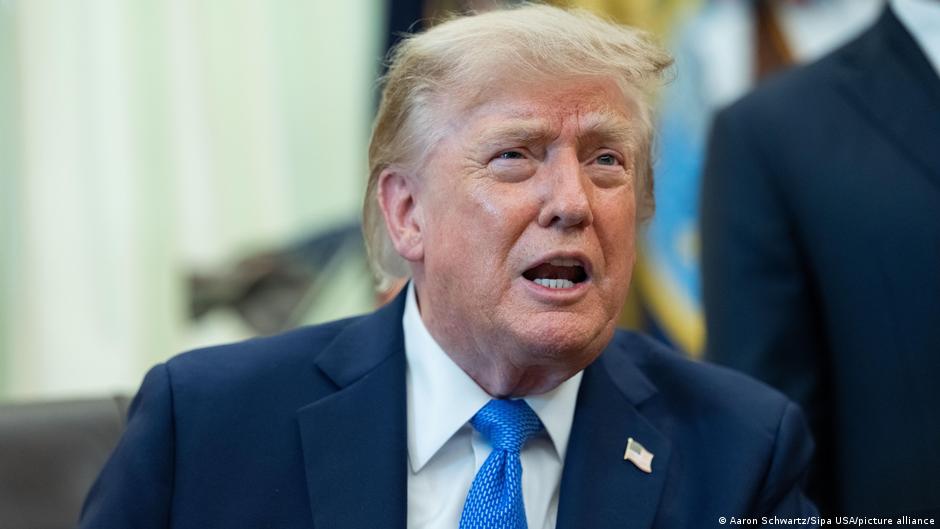
Italy's Foreign Minister Antonio Tajani cancels US visit after President Trump's offensive remarks about PM Meloni, raising concerns over impacts on transatlantic fintech and innovation cooperation.

US envoy Stephen Whitlock arrives in Switzerland to resume Iran nuclear deal talks amid regional conflicts affecting financial and digital economy prospects.

Bulgaria plans to veto new EU sanctions on Russia due to economic risks and opposition to sanctions against Patriarch Kirill, raising concerns about energy and supply chain impacts.

The US has lifted its naval blockade of the Strait of Hormuz, enabling record oil shipments and initiating a 60-day negotiation period with Iran to finalize a peace deal.

The EU has initiated discreet talks with Kremlin officials to prepare for future peace negotiations, a move that could impact digital economy sectors like fintech and cybersecurity.

Bolivia and the US have signed a new anti-drug cooperation deal after 18 years, including $20M in tech and training funds to modernize Bolivia’s narcotics enforcement capabilities.

The EU has started formal accession talks with Ukraine and Moldova, initiating evaluations that will impact digital economy sectors like fintech, payments, and cybersecurity.

Hungary limits prime minister terms to two four-year periods, preventing Viktor Orbán’s return and impacting political dynamics in fintech and digital economy sectors.

Russian missile strikes on Kyiv damaged cultural landmarks, residential buildings, and power infrastructure, disrupting civilian life and posing risks to Ukraine's digital economy.

Drone attacks in Russia's Tula Region cause civilian deaths and industrial fires, exposing vulnerabilities in defense and commercial infrastructure amid ongoing cyber-physical threats.

Iran has replenished its missile arsenal to three-quarters of pre-conflict levels, likely aided by Russian weapons transfers during a truce with the US, impacting regional security and energy markets.

The US plans to cut fighter jets and naval vessels supplied to NATO by about a third, signaling a strategic pivot that impacts defense operations and associated technology sectors.

Trump cancels planned US strikes on Iran amid diplomatic progress, impacting energy flows, cybersecurity risks, and fintech markets in the Middle East.

SpaceX’s $75 billion IPO sets a record, valuing the company at $1.77 trillion and amplifying its impact on fintech through satellite internet and space technology.

The U.S. Congress approved $70 billion to fund immigration agencies, highlighting significant impacts on digital infrastructure, fintech, and cybersecurity within government operations.