EU Holds Discreet Talks with Kremlin Ahead of Potential Peace Negotiations Impacting Digital Economy
European Council advisor engaged in confidential calls with Kremlin official to prepare groundwork for future talks amid ongoing Ukraine conflict.
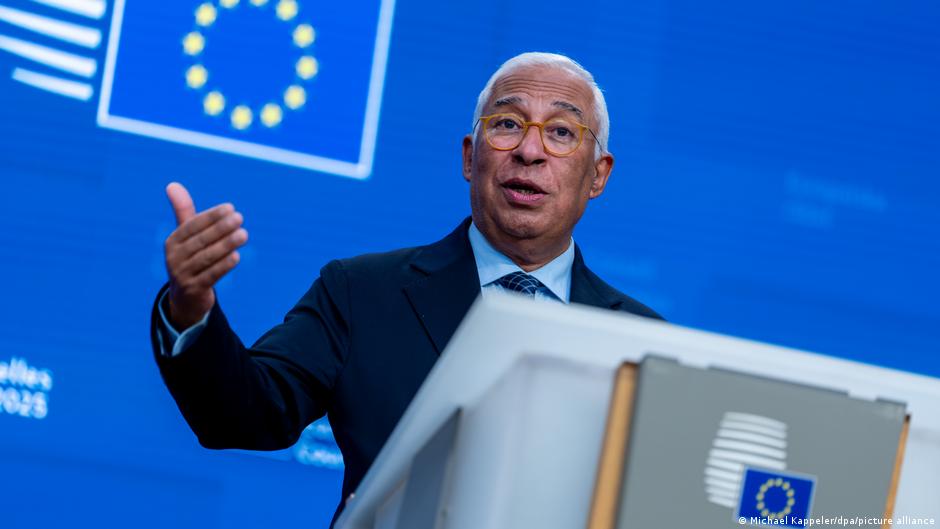
The European Union is discreetly engaging with Kremlin representatives in an attempt to pave the way for future peace negotiations regarding the conflict in Ukraine, according to multiple reports. These backchannel discussions, which have not been officially detailed, could have significant implications for digital economies, cybersecurity, and fintech sectors in Europe and Russia.
Quiet Diplomacy Amid Ongoing Conflict
An advisor to the President of the European Council has reportedly held two telephone conversations with a high-ranking Russian official close to President Vladimir Putin. These discussions are believed to be preparatory steps to establish a framework for more substantive negotiations in the future. The precise timing and participants of these calls remain undisclosed.
"There is potential for negotiations with Putin," stated António Costa, President of the European Council, earlier in May, signaling EU readiness for dialogue.
Neither the EU spokesperson nor the Kremlin's press secretary, Dmitry Peskov, have commented on the reported communications. However, the European Council president previously indicated that EU leadership is strategizing on how best to organize and structure discussions with Russia when the appropriate moment arises.
Implications for Fintech and Digital Economy
The reported EU-Kremlin communications coincide with growing geopolitical and economic tensions that directly influence digital banking, cryptocurrency markets, and cybersecurity frameworks in the region. The ongoing war has disrupted cross-border payments and raised concerns over digital asset security, particularly as sanctions and counter-sanctions affect Russian and European financial institutions.
Engagements between Europe’s top economies—Germany, France, and the United Kingdom—and Russia, coordinated with Ukraine's President Volodymyr Zelenskyy, hint at a broader strategic push to stabilize the region. A potential ceasefire or peace agreement could open pathways to restore digital financial networks, enable safer crypto transactions, and foster innovation in fintech sectors strained by the conflict.
European policymakers are closely monitoring how these negotiations might ease the economic burdens caused by the war, including rising costs and military expenditures. Financial markets, including tech stocks linked to cybersecurity and digital payments, are particularly sensitive to developments in diplomatic relations.
Increased stability could lead to renewed investment in digital infrastructure and cooperative cybersecurity initiatives between the EU and Russia, both critical to safeguarding fintech ecosystems amid evolving geopolitical risks.
Looking Ahead
While the EU’s discreet communications with Kremlin officials indicate a willingness to engage, the path toward concrete peace talks remains uncertain. The evolving situation on the battlefield and economic front will continue to shape the trajectory of negotiations.
For the fintech community and digital economy stakeholders, these developments underscore the importance of adaptive strategies to navigate geopolitical risks and capitalize on eventual stabilization that could revitalize innovation and cross-border financial integration.