Power Outage at Zaporizhzhia Nuclear Plant Highlights Risks for Digital Infrastructure and Energy Security
Repeated loss of external power at Ukraine's Zaporizhzhia plant raises concerns over cybersecurity and energy supply stability amid ongoing conflict.
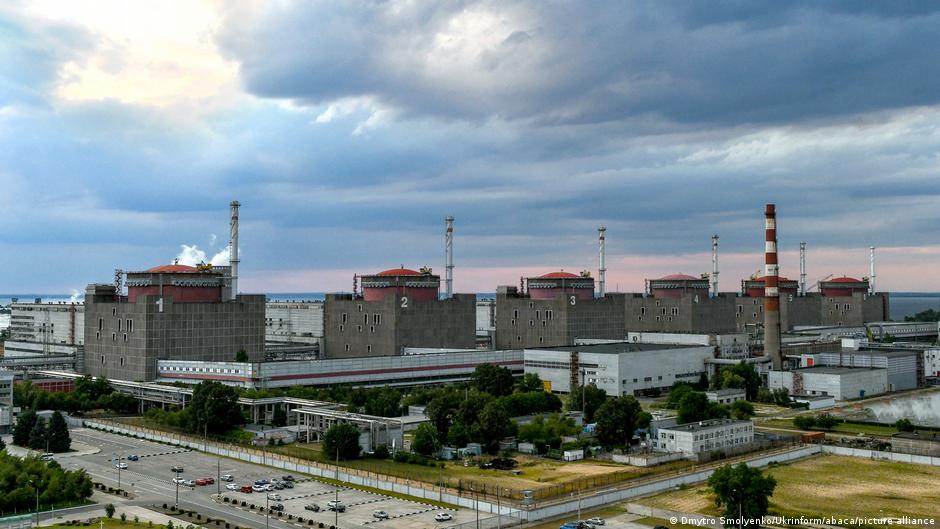
The Zaporizhzhia Nuclear Power Plant (ZNPP), currently under Russian control in occupied Ukraine, experienced its 23rd loss of external electrical power since the full-scale invasion began. This latest outage, reported on August 1 by the International Atomic Energy Agency (IAEA), forced the plant to rely on emergency diesel generators for nearly two hours to maintain critical cooling systems.
Implications for Energy Security and Digital Infrastructure
The repeated power disruptions at ZNPP are not only a nuclear safety concern but also highlight the vulnerabilities of critical infrastructure amid conflict. The plant’s reliance on diesel generators underscores the fragility of its connection to the external grid, which is essential for the safe operation of reactors and associated systems.
"Long internet outages and water supply issues at the plant create additional threats to nuclear safety," said the IAEA’s Director General Rafael Grossi, emphasizing the compounded risks from compromised digital and physical infrastructure.
The conflict-induced instability has also affected telecommunications, with the IAEA confirming extended internet blackouts at the facility. In an era where nuclear plants depend heavily on digital monitoring and cybersecurity protocols, such disruptions raise urgent concerns about the robustness of cyber defenses and operational continuity.
Moreover, the construction of a high-voltage transmission line by Russian authorities along the M18 route connecting Melitopol and Henichesk suggests an attempt to integrate ZNPP into the energy grid of annexed Ukrainian territories and southern Russia. Analysts from Greenpeace Ukraine, who monitored satellite imagery, view this infrastructure project as a strategic move to reroute energy supplies, potentially bypassing Ukrainian control.
However, Ukrainian drone strikes targeting a power substation in Henichesk in early July temporarily disrupted these plans, illustrating the ongoing contest over energy infrastructure in the region.
Strategic and Economic Dimensions
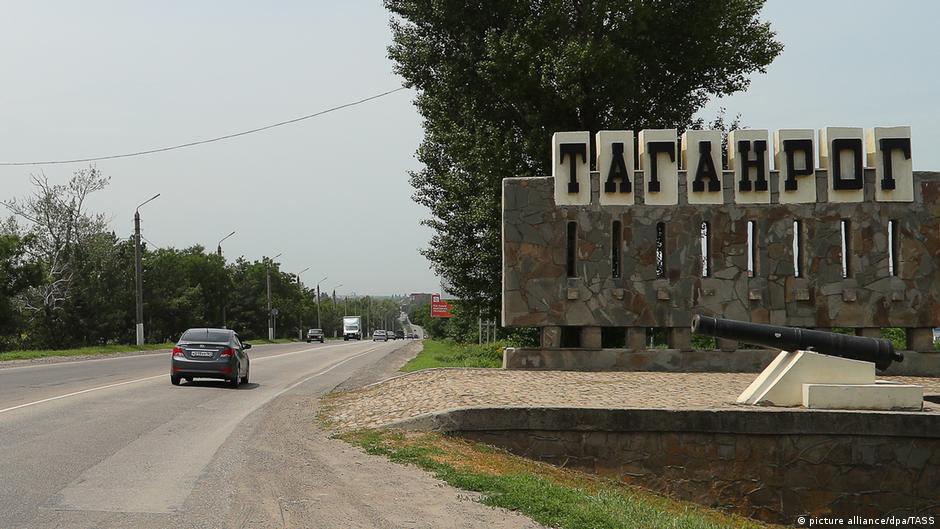
Experts highlight that Russian nuclear operator Rosatom may consider ZNPP a cost-effective alternative to constructing new reactors in Russia’s Rostov and Krasnodar regions. This strategic prioritization underscores the plant’s dual role as both an energy asset and a geopolitical tool.
For the fintech and digital economy sectors, these developments emphasize the interconnectedness of energy security and digital services. Interruptions in power and internet connectivity at critical sites can cascade into broader economic disruptions, affecting digital banking, payments processing, and cybersecurity frameworks.
Investors in tech stocks related to energy infrastructure and cybersecurity should monitor these risks closely, as instability in such pivotal assets may influence market dynamics and regulatory responses globally.
In summary, the ongoing power outages at the Zaporizhzhia Nuclear Power Plant serve as a stark reminder of the vulnerabilities inherent in managing critical infrastructure amid armed conflict. The intersection of physical security, digital resilience, and geopolitical strategy will continue to shape the landscape for energy and technology sectors alike.