EU Seeks More Pressure on Moscow as G20 Talks Show No Peace Signal
Kaja Kallas said Russia showed no readiness for Ukraine peace talks, sustaining geopolitical risks for finance and technology markets.
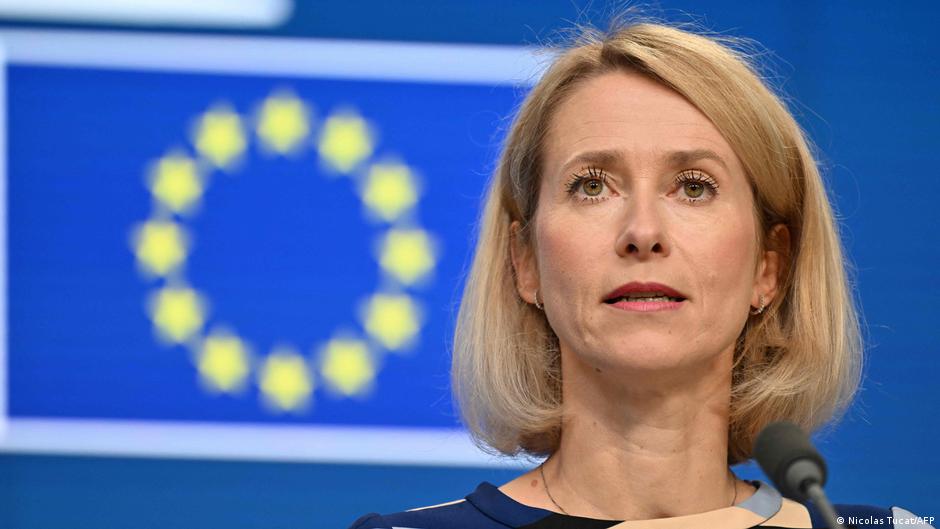
Russia gave no indication that it was prepared to engage in peace negotiations over Ukraine during a meeting of Group of 20 foreign ministers in Atlanta, according to Kaja Kallas, the European Union’s high representative for foreign affairs and security policy.
Kallas said on Friday, October 30, that Russian Foreign Minister Sergei Lavrov had not demonstrated Moscow’s willingness to pursue peace talks at the gathering in the United States. Her assessment points to continued geopolitical uncertainty surrounding the war, an important risk factor for financial markets, cross-border payments, digital banking and technology companies operating across jurisdictions affected by sanctions and security concerns.
Asked by an AFP journalist whether Lavrov had signaled any readiness to make concessions to end the war, Kallas answered in the negative. She argued that statements from Russian officials should be judged against the government’s conduct.
“Even if they claimed otherwise in words, their actions say something different,” Kallas said.
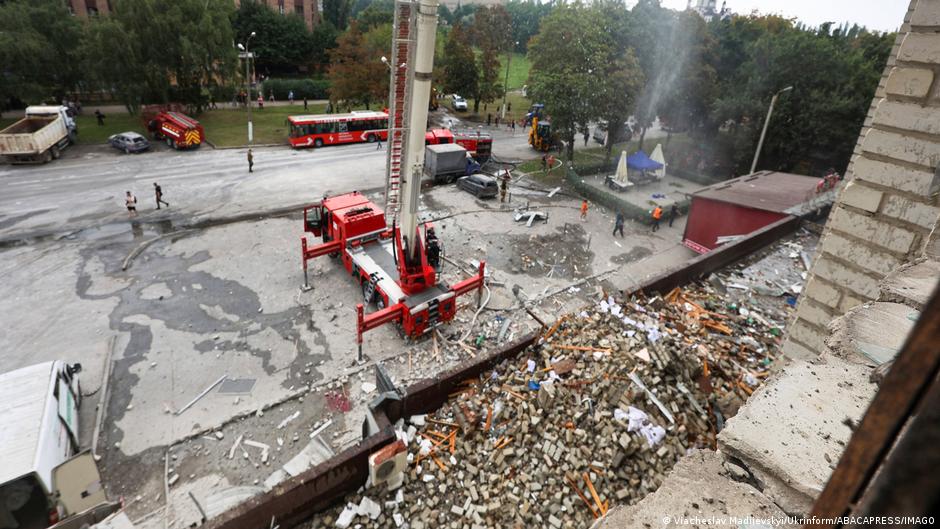
Russia must demonstrate “in practice that it is ready for negotiations,” she added. Kallas also said July, August and September had been the deadliest months for Ukrainian civilians, citing the human consequences of the continuing conflict as evidence that Moscow’s actions did not support a diplomatic message.
Pressure Campaign Remains Central to European Policy
Kallas called for greater pressure on Moscow after the G20 discussions. She also accused Lavrov of presenting false and distorted information during the meeting, saying European representatives had subsequently been able to refute it.
“Of course, he voiced many lies, many distorted facts, which we were later able to disprove,” Kallas said.
Her call for additional pressure did not specify new financial or technological measures. However, the absence of a perceived negotiating shift keeps attention focused on the policy tools that governments may use in their dealings with Russia. For the digital economy, any future policy decisions could be relevant to payment providers, banks, cryptocurrency platforms, cybersecurity companies and publicly traded technology groups that must monitor geopolitical developments and comply with applicable restrictions.
Fintech businesses are particularly exposed to changes in cross-border compliance requirements because their systems process transactions quickly and often serve customers in multiple markets. Digital banks and payment processors must maintain controls capable of screening customers and transfers under the rules in each jurisdiction where they operate. Cryptocurrency services face similar operational demands when handling transfers between digital assets and conventional currencies.
The Atlanta meeting did not produce an announced easing of political tensions. Kallas’s account instead suggested that the divide between Russia and European governments remained intact, leaving financial and technology companies without a diplomatic signal that geopolitical risk surrounding the conflict was receding.
European Ministers Reject Normalization Optics
German Foreign Minister Johann Wadephul had earlier said that European participants at the G20 foreign ministers’ meeting declined to join a group photograph with Lavrov because of the continuing war in Ukraine. The decision underscored European governments’ effort to preserve diplomatic contact without conveying that relations with Moscow had returned to normal.
“There are no normal relations with Russia,” Wadephul said.
The German minister acknowledged that contact with the Russian side was necessary to discuss disagreements. He stressed, however, that such engagement should not create the impression of a return to ordinary interaction.
That distinction matters for businesses assessing geopolitical exposure. Diplomatic meetings can provide channels for communication, but participation alone does not necessarily indicate policy normalization or a reduction in sanctions-related and operational risks. The refusal to appear in a joint photograph reinforced the European position that dialogue at the G20 should not be interpreted as a restoration of routine relations.
For investors in technology stocks and financial services, the immediate message from Atlanta is one of continuity rather than resolution. Kallas reported no Russian signal of readiness to compromise, urged stronger pressure and linked her assessment to the continued civilian toll in Ukraine. Wadephul, meanwhile, supported maintaining necessary contacts while rejecting the appearance of normalization.
No specific measures affecting payments, crypto assets, digital banking or technology companies were announced in the statements. Still, the political posture described by the two European officials means firms in those sectors must continue to treat the war and the international response to it as active sources of regulatory, compliance and cybersecurity risk rather than as issues moving toward a confirmed diplomatic settlement.