US Lifts Strait of Hormuz Blockade, Paving Way for Renewed Oil Flows and Regional Stability
The US ends naval blockade of the Strait of Hormuz, enabling increased oil shipments and initiating a 60-day negotiation period with Iran.
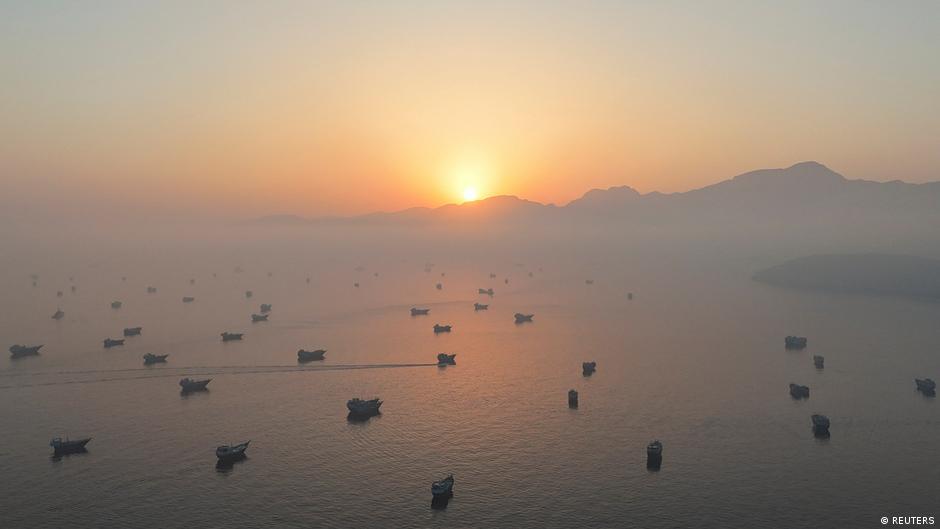
The United States has officially lifted its naval blockade of the Strait of Hormuz following an executive order issued by President Donald Trump, according to the US Central Command (CENTCOM). This move allows uninterrupted passage of vessels to and from Iranian ports, marking a significant shift in geopolitical and economic dynamics in the region.
Impact on Oil Flows and Regional Security
Vice President David James Vance announced on June 18 that in the last 24 hours alone, ships carrying a combined volume of 12.5 million barrels of oil passed through the Strait. This is the highest throughput since the commencement of US and Israeli hostilities against Iran on February 28.
"All US military actions enforcing the blockade have ceased, but our naval forces remain in the region to ensure compliance with the agreement," CENTCOM stated.
Importantly, Vice President Vance noted that for the second consecutive night, Iranian forces refrained from attacking any vessels, signaling a de-escalation in maritime tensions.
Strategic Agreement and Economic Repercussions
The lifting of the blockade follows the remote signing of a memorandum of understanding between Washington and Tehran on June 18, initiating a 60-day negotiation period aimed at finalizing a comprehensive peace agreement. Originally, the memorandum was to be signed in person in Switzerland on July 19, but the accelerated process underscores the urgency for reopening the vital shipping lane.
According to details of the 14-point memorandum, the agreement includes immediate cessation of hostilities, removal of the naval blockade, resumption of shipping through the Strait of Hormuz, and lifting of US oil sanctions against Iran. Additionally, the deal entails the withdrawal of US troops from areas surrounding the Islamic Republic.
Economically, the agreement unlocks significant financial flows: $300 billion from a private investment fund earmarked for Iran’s reconstruction, the release of $24 billion in frozen Iranian assets, and a 60-day window to negotiate a final settlement on Iran’s nuclear program. Iran has pledged to forego nuclear weapons development as part of the commitment.
Implications for Fintech and Digital Economy
The reopening of the Strait of Hormuz and the anticipated easing of sanctions on Iran are poised to impact global energy markets and financial flows significantly. Increased oil exports will affect commodity prices and trading volumes, which in turn can influence fintech platforms specializing in commodities trading and digital payments related to international energy contracts.
Furthermore, the unlocking of frozen Iranian assets and the inflow of investment capital may stimulate digital banking expansion, payment system integration, and fintech innovation within Iran, a market previously constrained by sanctions. Cybersecurity firms may also see increased demand as Iranian financial institutions modernize and integrate into global digital networks.
Investors in tech stocks, especially those linked to financial services and energy sectors, should closely monitor developments in US-Iran relations as these geopolitical shifts unfold.