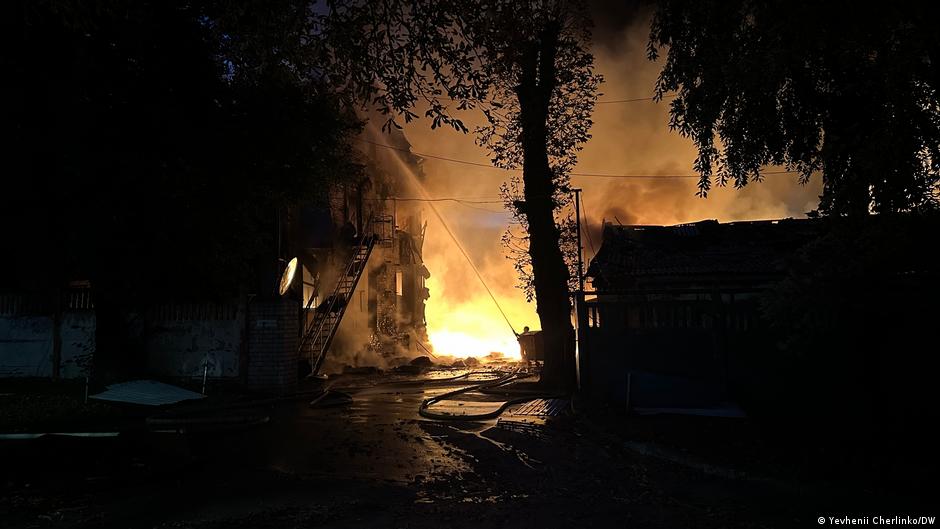
Russian Missile Strikes on Kyiv Cause Fires and Power Outages Amid Ongoing Conflict
Recent Russian missile attacks on Kyiv and other Ukrainian cities have resulted in casualties, infrastructure damage, and power outages impacting civilian life and digital services.
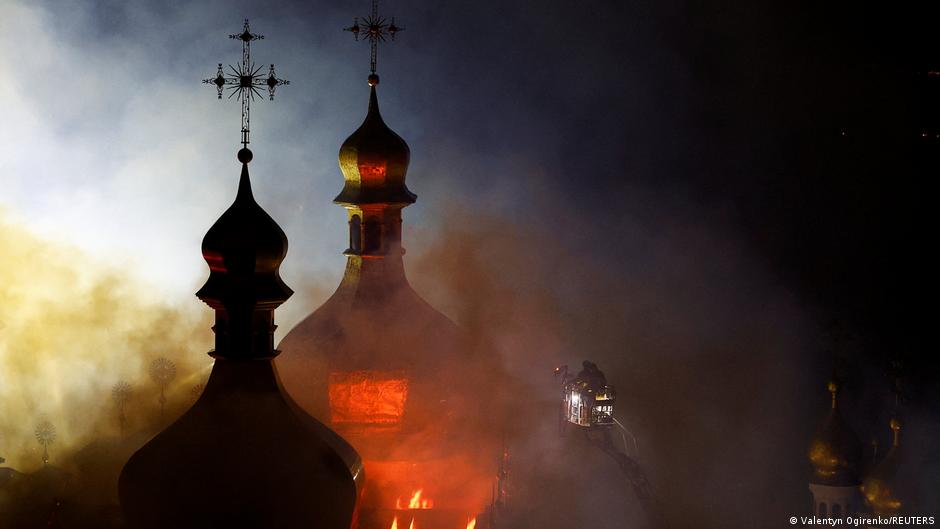
On the night of June 15, Russian military forces launched a series of missile strikes targeting Kyiv, Ukraine's capital, causing significant damage to cultural landmarks, residential buildings, and critical infrastructure.
Impact on Kyiv’s Infrastructure and Digital Economy
The missile assault included a damaging strike on the Kyiv Pechersk Lavra, a UNESCO World Heritage Site and one of the city’s most historically significant religious complexes. The attack ignited a major fire on the roof of the Dormition Cathedral, the main church within the monastery complex. This incident marks another blow to the national reserve, which has sustained damages multiple times since the full-scale invasion began.
“The Kyiv Pechersk Lavra, a cultural treasure, has once again suffered damage amid ongoing hostilities,” said city officials, highlighting the repeated threats to Ukraine's heritage.
In addition to cultural losses, the strikes caused widespread damage to residential buildings across multiple Kyiv districts including Pechersky, Solomyansky, Obolon, and Shevchenkivsky. Some buildings suffered partial collapses, and local markets and grocery stores were hit, further disrupting civilian life.
Critically, the attacks damaged electrical infrastructure on Kyiv’s northern outskirts, cutting power to approximately 140,000 consumers. This blackout not only affects households but also risks disrupting digital banking, fintech services, and other technology-dependent sectors that rely heavily on continuous power and connectivity.
Ukrainian authorities reported at least four fatalities in Kyiv and five in Kharkiv caused by the missile barrage, with scores more injured. Among the victims in Kharkiv were five rescue workers who were killed while extinguishing fires sparked by the attack, underscoring the human toll and the strain on emergency response systems.
Broader Effects on Ukraine’s Digital and Financial Ecosystem
The repeated strikes on critical infrastructure in Ukraine exacerbate challenges for the country’s digital economy, including threats to cybersecurity and payment systems. Power outages and physical damage to communication networks can disrupt internet access and telecommunications, essential for digital banking platforms and crypto operations. The instability also affects investor confidence in Ukrainian tech stocks, which are sensitive to geopolitical risks and infrastructure reliability.
Ukraine’s fintech sector, known for its rapid innovation and growth, relies on resilient digital infrastructure to maintain secure payment processing and online financial services. Interruptions caused by military actions risk undermining this progress and complicate the delivery of essential services to citizens, especially during a conflict.
The damage to UNESCO heritage sites also raises concerns about cultural preservation and potential losses in future tourism revenues, which can indirectly affect economic recovery and digital investments in the region.
As hostilities continue, the resilience of Ukraine’s digital economy and critical infrastructure remains a key factor in sustaining both everyday life and broader economic stability. The international community monitors these developments closely, given their implications for cybersecurity and cross-border financial systems.