Iran's Missile Arsenal Replenished Possibly with Russian Help Amid Geopolitical Tensions
Iran has restored much of its missile stockpile during a truce with the US, reportedly receiving new Russian-made weapons, impacting regional security dynamics.
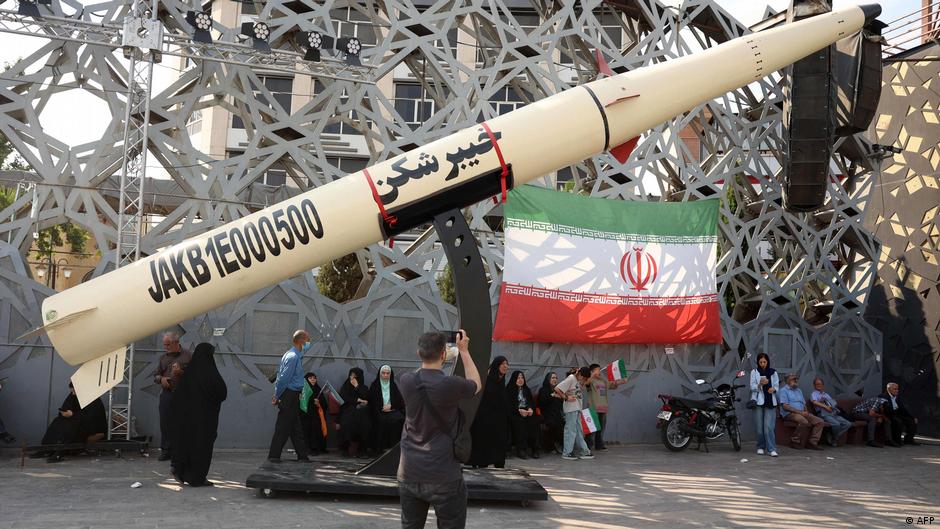
Recent intelligence reports suggest that Iran has managed to replenish its missile arsenal to approximately 75% of its pre-conflict levels. This replenishment reportedly involved new Russian-made missiles, highlighting ongoing military-technical cooperation between Tehran and Moscow amidst heightened tensions in the Middle East.
Strategic Arms Resupply During Truce
According to unnamed Western intelligence sources cited by Bloomberg, Iran effectively utilized an eight-week truce with the United States to rebuild its missile stock and integrate new weaponry. The sources claim that the replenished arsenal includes recently manufactured Russian missiles, indicating that Russia may have supplied Iran with advanced weaponry during the ceasefire period.
The missile stockpile restoration is significant because it counters earlier assessments that Iran’s arsenal had been critically depleted following US and Israeli airstrikes earlier this year. Whereas US officials had previously estimated Iran retained roughly 20-22% of its missile capacity post-attacks, recent intelligence suggests a substantial recovery.
"Iran has ensured sufficient firepower to deliver a nearly full-scale retaliatory strike if hostilities were to resume," the intelligence report states.
Despite inquiries, the Russian Ministry of Defense has not commented on the allegations, leaving open questions about Moscow’s exact role in the arms transfers.
Implications for Regional Security and Digital Economy Sectors
The military developments have strong implications for geopolitical stability, which directly impact global energy markets and technological investments, including fintech and cybersecurity sectors. Iran’s capacity to maintain and upgrade its missile arsenal amid sanctions and conflict underscores the evolving complexity of sanction evasion and supply chain security.
From a fintech and digital economy perspective, ongoing instability in the Strait of Hormuz—the strategic maritime chokepoint Iran has threatened to block—poses significant risks for global fuel shipments. Disruptions here could trigger fluctuations in commodity prices and impact digital payment systems connected to energy trade finance.
Moreover, Iran’s resilience in maintaining military production, including unmanned aerial vehicles (UAVs), despite sanctions, highlights the challenges in enforcing cybersecurity and export controls in an increasingly digitized and connected world. These factors affect global tech stocks, particularly firms involved in defense technology, supply chain logistics, and cyber defense.
Experts from the Washington-based Stimson Center emphasize that Iran’s production of Shahed drones remains robust, which complicates efforts to fully neutralize its offensive capabilities. This persistent military-industrial functionality in a sanctioned state illustrates broader challenges for digital sanctions enforcement and cyber threat management.
US President Donald Trump’s recent statements indicated optimism about an imminent peace agreement, reportedly planned around June 14, coinciding with his 80th birthday. However, Iranian officials have denied any fixed timeline for such a deal, reflecting ongoing uncertainties in diplomatic negotiations.
These developments call for continued vigilance in monitoring the interplay between geopolitical risk and technological vulnerabilities. For fintech enterprises and digital economy stakeholders, understanding how regional conflicts influence payment systems, cyber threats, and supply chain stability remains essential.