US to Reduce NATO Military Aircraft and Naval Deployments, Impacting Defense and Tech Sectors
Washington plans to cut fighter jets and naval assets provided to NATO, signaling shifts in defense resource allocation and potential effects on related technology industries.
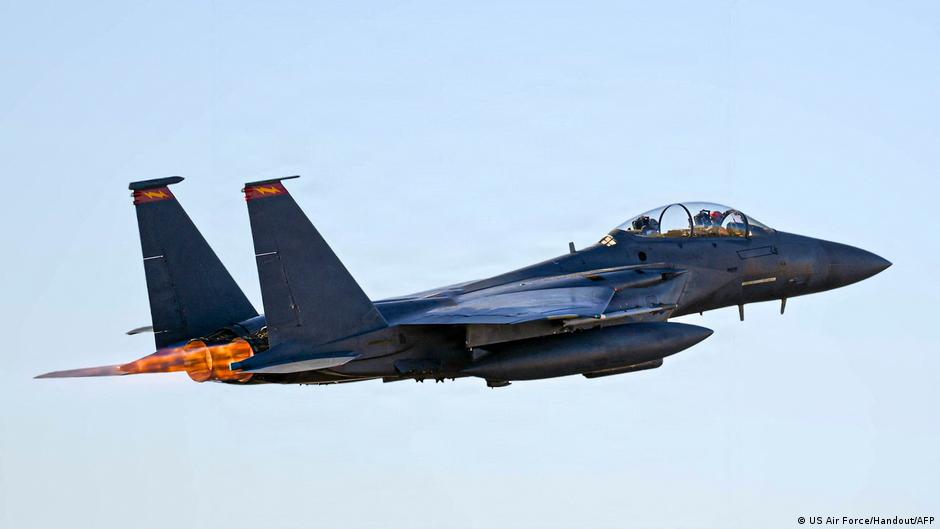
According to reports from European officials cited by The New York Times, the United States is set to reduce its supply of combat aircraft and naval vessels to NATO by approximately one-third. This significant scaling back includes removing a submarine and an aircraft carrier from NATO's European operations.
The US government intends to decrease the number of fighter jets—specifically F-16s and F-15Es—from around 150 to approximately 100 units. Additionally, the count of maritime reconnaissance aircraft will drop from 26 to 15. Beyond aircraft, all eight aerial refueling tankers currently deployed in Europe are to be withdrawn, alongside a missile submarine, an aircraft carrier, several warships, and dozens of aircraft supporting the carrier’s missions.
Strategic Shifts Affecting Defense and Tech Industries
Sources indicate this drawdown will commence imminently, sooner than European partners anticipated. Earlier reports from Germany’s Die Welt outlined a secret list shared with NATO enumerating 11 specific reductions in US military presence across aviation and naval domains, motivated by a strategic pivot toward the Indo-Pacific region.
"This decision will limit NATO's ability to conduct long-range strikes and surveillance," the report notes, highlighting operational challenges for the alliance in Europe.
The Pentagon has informed NATO officials that the US will provide significantly fewer critical military assets moving forward, including fighters, ships, drones, tankers, and strategic bombers. Historically, the US accounted for about half of NATO's military capacity under the burden sharing framework.
Washington is now soliciting proposals from European countries on how to compensate for these reductions ahead of the June Force Sourcing Conference. This reallocation of responsibilities invites increased engagement from European defense sectors and could stimulate demand for domestic military technology development and procurement.
Earlier in May, the Pentagon announced the withdrawal of one of four US brigade combat teams stationed in Europe, reducing troop levels to those seen in 2021. Each brigade combat team comprises 4,000 to 5,000 personnel and serves as a fundamental tactical unit capable of autonomous operations.
Currently, about 100,000 US soldiers and officers are deployed in Europe, with over 65,000 permanently based and the remainder rotating through. This troop reduction aligns with the broader trend of resource reallocation but may have implications for cybersecurity and defense technology firms that support or supply these forces.
Implications for the Fintech and Digital Economy
This shift in military asset distribution has ripple effects beyond defense alone. Reduced US military presence in Europe changes the landscape for defense contractors, technology providers, and associated industries engaged in digital security, advanced aviation technology, unmanned systems, and logistics. Investors in tech stocks tied to defense capabilities may need to recalibrate expectations based on evolving procurement and deployment strategies.
Moreover, the reorientation towards the Indo-Pacific may accelerate innovation and investment in new digital defense technologies optimized for that theater, potentially influencing global tech markets and cybersecurity priorities.