US Special Envoy Whitlock Heads to Switzerland for Critical Iran Negotiations Amid Regional Tensions
Whitlock’s talks with Iran in Switzerland aim to revive stalled nuclear deal discussions impacted by ongoing Middle East conflicts.
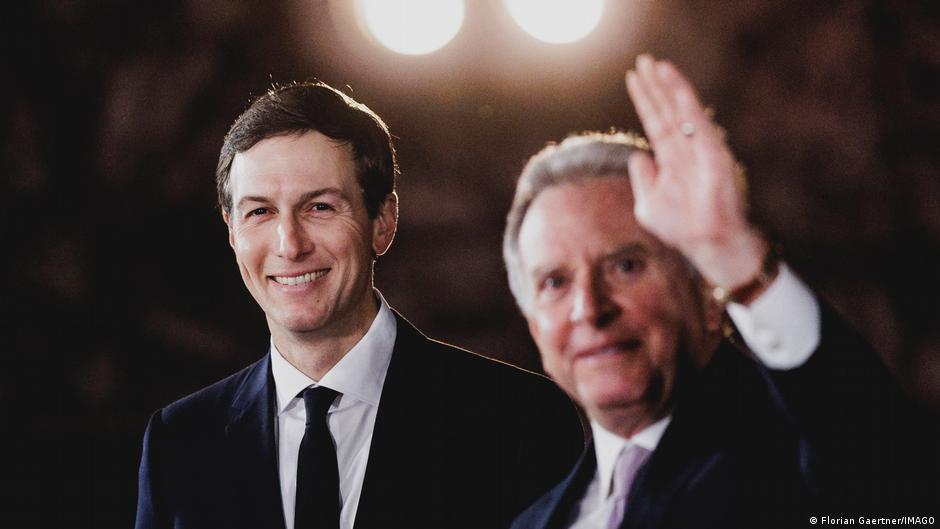
Stephen Whitlock, the US special envoy, has flown to Switzerland to engage in negotiations with Iranian representatives, marking a significant step in efforts to revive the stalled Iran nuclear deal. The discussions, initially scheduled for June 19, were postponed due to ongoing hostilities in the region.
According to multiple sources, the upcoming talks in Switzerland involve key figures, including Whitlock and Jared Kushner, a White House advisor and former presidential son-in-law, who is already present in the country. Their presence underscores the US administration’s high-level engagement in these critical negotiations.
Impact on Geopolitical Stability and Financial Markets
On June 19, Qatar’s Prime Minister Sheikh Mohammed bin Abdulrahman Al Thani arrived in Switzerland to act as a mediator between the US and Iran, highlighting the involvement of regional actors in the diplomatic process. Iranian Foreign Minister Abbas Araghchi was also expected to join the talks on June 20; however, his attendance remains uncertain amid shifting circumstances.
One of the major sticking points is a ceasefire in Lebanon, where Iran-backed Hezbollah has been involved in escalating clashes with Israel. Iranian officials emphasize the "critical importance" of halting hostilities in Lebanon before proceeding with the nuclear deal discussions. This demand has contributed to the delay in finalizing a meeting date for the US and Iranian delegations.
"Iran insists on a sustainable ceasefire in Lebanon as a precondition for advancing negotiations," a diplomatic source noted, reflecting the intertwined nature of regional security and diplomatic progress.
The initial plan involved signing a memorandum of understanding that would suspend active combat along multiple fronts, including Lebanon, and trigger a 60-day negotiation period to finalize a peace agreement. However, the memorandum was signed remotely on June 17, and the planned in-person meeting was postponed, mainly due to ongoing combat activities in southern Lebanon.
These developments have significant implications for the financial sector, particularly in the realms of fintech, digital banking, and cross-border payments. Renewed tensions could prolong sanctions and restrict Iran’s access to international financial systems, complicating efforts to integrate the country into global digital economies.
Conversely, a successful agreement and subsequent easing of sanctions might unlock substantial funds for Iran, including a proposed $300 billion private investment fund and the unblocking of $24 billion in Iranian assets. This influx could stimulate investment in Iran’s financial infrastructure and digital economy, altering market dynamics in the Middle East.
However, US President Donald Trump publicly attributed the postponement to Iran’s unwillingness to engage, warning that Iran would not receive any financial relief during the 60-day negotiation period. This firm stance signals continued constraints on Iran’s economic interactions and highlights the geopolitical risk premium embedded in tech and financial stocks tied to the region.
As the negotiations proceed, market participants and fintech innovators should monitor developments closely, as shifts in geopolitical relations directly influence cybersecurity concerns, regulatory frameworks, and opportunities for digital finance expansion in emerging markets.