Drone Attacks in Tula Region Highlight Emerging Cybersecurity and Defense Risks for Russian Industrial Infrastructure
Recent UAV strikes causing civilian casualties and industrial fires underscore the vulnerability of Russia’s defense and commercial sectors to drone warfare and cyber threats.
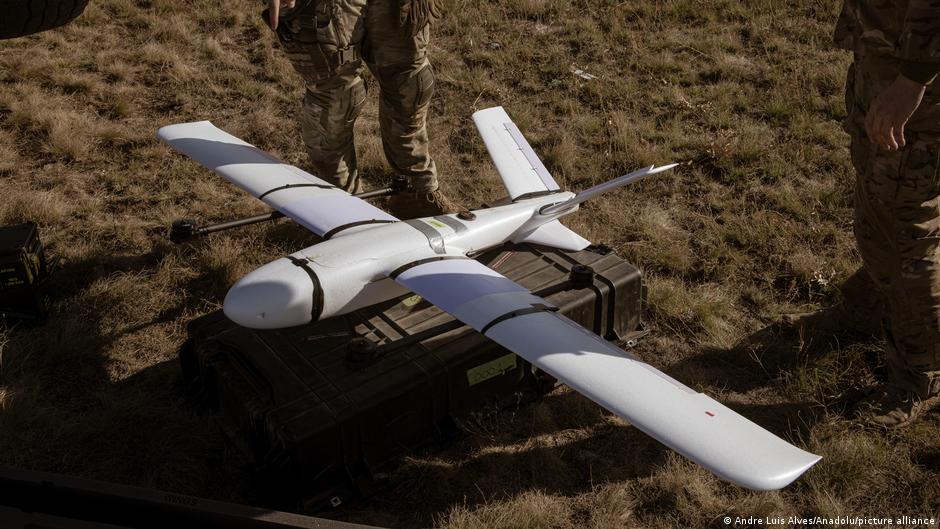
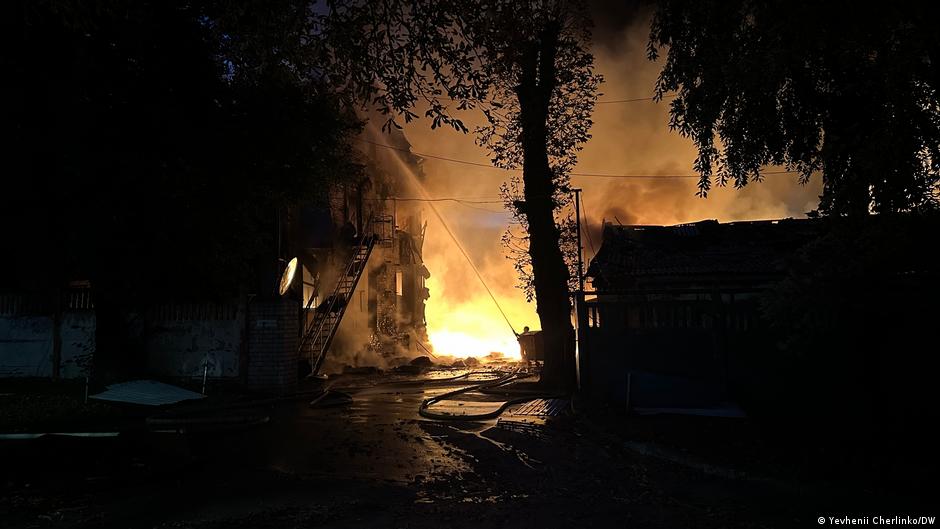
Overnight on June 15, multiple regions in Russia, including the Tula Region and the Moscow suburb of Reutov, experienced coordinated attacks by Ukrainian unmanned aerial vehicles (UAVs). These incidents not only resulted in civilian casualties but also exposed critical vulnerabilities in the protection of industrial and defense infrastructure, raising concerns about cybersecurity and the resilience of digital and physical systems within Russia's industrial complex.
Impact on Civilian and Industrial Targets
Dmitry Milyaev, governor of the Tula Region, reported that drone strikes targeted residential areas in villages such as Yamny, Maslovo, Mikhalkovo, and Inshinsky. Several private homes and commercial properties sustained damage, with three fatalities confirmed and three others injured, including a one-year-old child who received medical treatment.
In nearby Reutov, a drone attack ignited a fire within an industrial zone. Initial reports suggested blasts near the defense industry enterprise NPO Mashinostroyeniya. However, subsequent clarifications indicated that a downed UAV crashed on the premises of Mirital, a frozen food manufacturer located approximately 700 meters from the military facility.
“The proximity of commercial factories to sensitive defense enterprises amplifies the risk exposure from drone incursions, demanding enhanced integrated security protocols.”
Moscow Mayor Sergey Sobyanin confirmed that four UAVs were intercepted and repelled during the nighttime assault, illustrating an ongoing cat-and-mouse dynamic between drone attack methods and air defense countermeasures.
Broader Context of Cyber-Physical Threats Amid Ongoing Conflict
On the same night, Russian forces launched extensive strikes across Ukraine, targeting urban centers including Kharkiv and Kyiv. In Kharkiv, at least five rescuers were killed by a secondary attack while combating fires stemming from Russian bombardments.
Kyiv suffered significant infrastructure disruptions, with approximately 140,000 electricity customers losing power and multiple residential buildings struck by drones. The city's military administration head, Timur Tkachenko, reported at least four fatalities and 23 injuries resulting from these attacks.
Significantly, Russian strikes hit the Kyiv-Pechersk Lavra, a UNESCO World Heritage site, igniting a major fire on the roof of the Assumption Cathedral, one of Eastern Slavic history’s most revered religious monuments. Kyiv Mayor Vitali Klitschko confirmed the extent of the damage.
Fintech and Digital Economy Implications
These events highlight emerging challenges at the intersection of drone warfare, cybersecurity, and the protection of both defense-related and civilian digital infrastructure. As Russian industrial and urban areas grapple with the physical impacts of UAV attacks, the fintech and broader digital economy sectors must also consider the cascading risks to payment systems, digital banking, and data security.
Heightened drone threats necessitate investments in advanced monitoring, AI-enabled threat detection, and cyber-physical security frameworks to safeguard critical industrial supply chains and financial transaction platforms from disruption or compromise. The ongoing conflict underscores the urgency for resilience strategies that integrate physical security with cybersecurity defenses across Russia’s digital economy landscape.