Bulgaria to Veto New EU Sanctions on Russia Over Economic and Political Concerns
Bulgarian PM Rumen Radev warns new EU sanctions on Russia risk harming Bulgaria's economy and opposes restrictions on Russian Orthodox Patriarch Kirill.
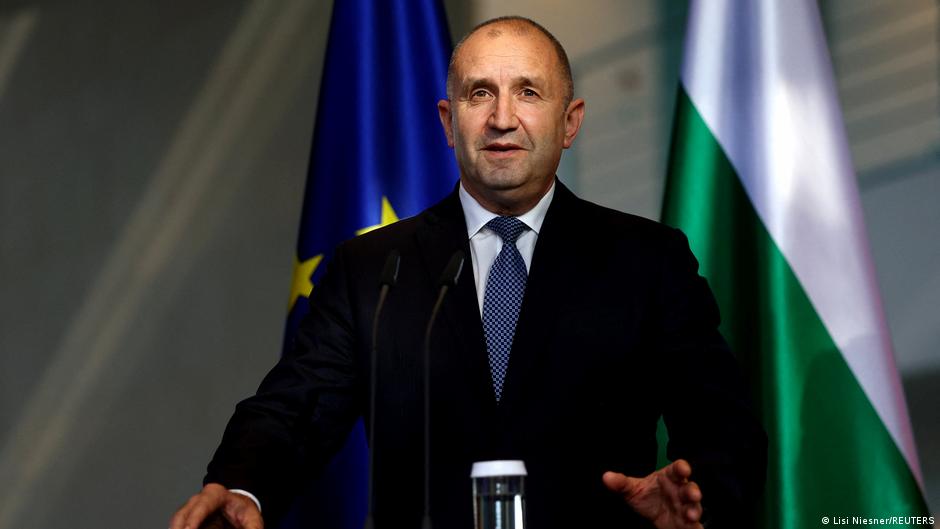
On June 18, Bulgarian Prime Minister Rumen Radev announced that Bulgaria will veto the European Union's new package of sanctions targeting Russia. The decision stems from concerns over potential negative impacts on Bulgaria's economy and disagreement with sanctions directed at Patriarch Kirill, the head of the Russian Orthodox Church.
Economic Risks and Strategic Interests
Radev highlighted the “significant risk” posed to the operations of Lukoil, a major player in Bulgaria’s energy sector. "We want Lukoil to be excluded from the sanctions list," he declared prior to the EU summit in Brussels. Lukoil owns the only oil refinery in Bulgaria, located in Burgas, and serves as one of the largest retail fuel suppliers in the country.
Aside from energy concerns, the Prime Minister also expressed apprehension about possible disruptions in the supply chains for Sofia's metro spare parts and agricultural fertilizers. These sectors are vital to Bulgaria’s infrastructure and food production, and any interruption could have serious economic consequences.
"How have these sanctions stopped the war so far? And how have they contributed to peace?" Radev questioned, emphasizing the need for a balanced approach within EU decision-making bodies.
Despite his opposition to the current sanctions, Radev reaffirmed Bulgaria’s commitment to supporting Ukraine’s EU accession talks, signaling a nuanced position that balances geopolitical considerations with domestic economic stability.
Scope of the EU Sanctions and Broader Implications
On June 15, the European Union expanded its sanctions against Russia by adding 34 individuals and 47 entities to restrictive lists. The new measures target companies linked to Russia’s military-industrial complex and those involved in oil exports, including through shadow fleets operating outside official channels.
Notably, entities such as "Lukoil-West Siberia" and firms based across Russia, Liberia, Turkey, the UAE, Azerbaijan, and Hong Kong were sanctioned. The sanctions also extend to prominent Russian figures, including Anatoly Kuzichev, a host on the state-affiliated TV program "Vremya Pokazhet," and Tikhon (born Georgy Shevkunov), metropolitan of Simferopol and Crimea, known as a spiritual advisor to Russian President Vladimir Putin.
This development underscores the complexities of imposing sanctions that not only carry geopolitical weight but also ripple across economic sectors deeply intertwined with regional stability. Bulgaria’s veto threat highlights the challenges within the EU to maintain a united front while safeguarding member states’ economic interests, especially in critical industries like energy and transport infrastructure.
As the EU navigates the balance between exerting pressure on Russia and mitigating unintended consequences on its own economies, the fintech and digital economy sectors may also feel indirect effects. For example, disruptions in fuel supply chains and infrastructure could impact payment systems, logistics technologies, and digital banking operations tied to trade and transportation networks.
Moreover, the sanctions' extension to foreign companies points to increased scrutiny over international financial flows, cybersecurity risks, and potential shifts in investment patterns affecting tech stocks linked to energy and defense sectors.