German President Steinmeier Calls for Europe to Counter Ruthless Geopolitical Practices of Russia and the US
Steinmeier urges Europe to uphold international law and order amid shifting global power dynamics impacting digital and economic sectors.
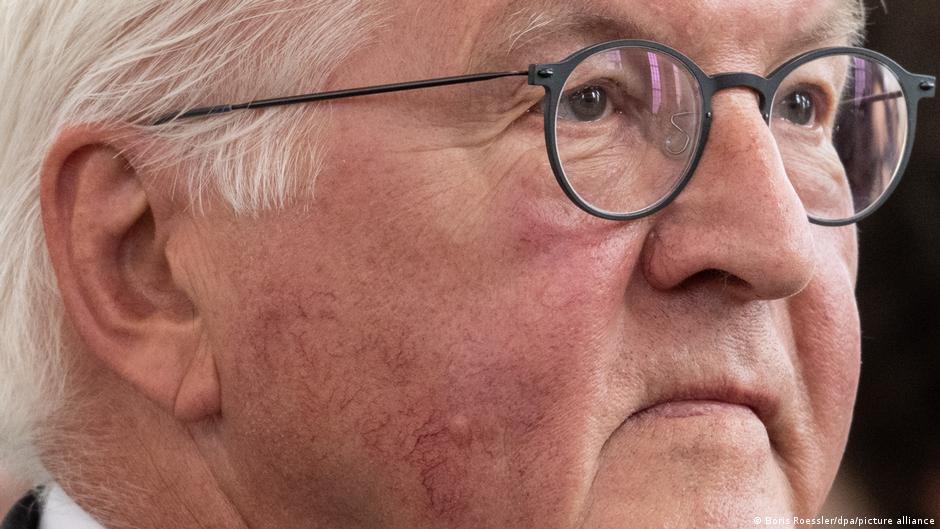
In a recent interview with German broadcaster ZDF, Federal President Frank-Walter Steinmeier highlighted the urgent need for Europe to respond decisively to what he described as a "new spirit of ruthlessness" promoted by Russia and the United States. This call to action underscores the broader geopolitical tensions that are increasingly influencing the fintech, digital economy, and cybersecurity landscapes across Europe.
Europe’s Challenge in Upholding a Rules-Based Order
Steinmeier emphasized that the Russian invasion of Ukraine, combined with shifts in US values, have marked a "double rupture of an era," requiring a clear European response. He warned against European nations adopting the power-driven and sometimes lawless behaviors exhibited by these global powers, saying, "Moscow and Washington may live in a world without laws and rules and even gain from it for some time, but we cannot do that. We need international order; we need laws and rules." This stance is critical for maintaining stability in cross-border digital payments, data governance, and cybersecurity frameworks, all of which depend heavily on international cooperation and regulatory consistency.
"We need international order; we need laws and rules," said Steinmeier, stressing Europe's commitment to a regulated global environment.
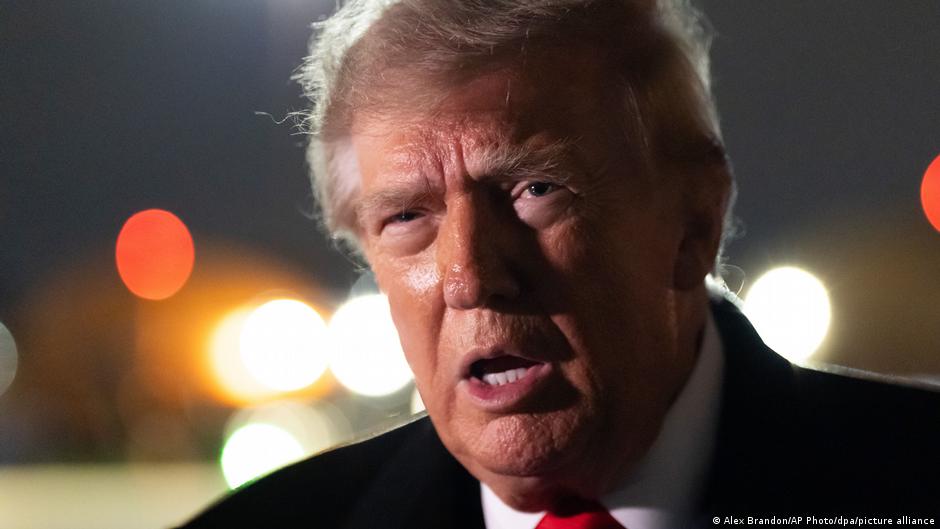
The president also advocated for a pragmatic approach toward relations with the United States, refraining from direct criticism of then-President Donald Trump. This pragmatic diplomacy may help ensure continued transatlantic cooperation in areas such as digital banking innovation and cybersecurity defenses, which remain vital as cyber threats escalate amid geopolitical conflicts.
Domestic Reforms and Political Stability Amid Rising Extremism
Beyond geopolitics, Steinmeier praised a comprehensive social reform package presented by Germany’s ruling coalition under Chancellor Friedrich Merz, expressing optimism that these reforms could stimulate economic growth. He warned that without tangible improvements, the government risks losing public trust—a factor that can significantly impact investor confidence and the country's position in the global fintech market.
Steinmeier also addressed concerns over the rising popularity of the far-right Alternative for Germany (AfD) party in regional polls, particularly ahead of key elections in Saxony-Anhalt, Berlin, and Mecklenburg-Western Pomerania. While acknowledging that polls are not final election results, he cautioned that the growth of extremist voices could threaten democratic stability, which is essential for maintaining a secure and trustworthy digital economy.
He reminded voters of their crucial role in preserving democracy, stating, "You decide whether we maintain our democratic system." This message resonates strongly in the context of digital rights, privacy laws, and the integrity of online platforms.
Implications for the Fintech and Digital Economy Sectors
Steinmeier’s remarks reflect broader challenges facing Europe’s fintech and digital economy sectors. The geopolitical climate influenced by Russia and the US affects cross-border payment systems, cryptocurrency regulations, and cybersecurity cooperation. Europe’s insistence on a rules-based international order supports the development of secure and interoperable digital financial services, fostering innovation while protecting consumers.
Moreover, political stability and economic reforms within Germany, Europe’s largest economy, will shape investment trends and regulatory policies impacting tech stocks and digital banking initiatives. As Steinmeier suggests, patience and perseverance in implementing reforms are key to sustaining long-term growth and competitiveness.
Ultimately, Europe's ability to navigate these intertwined geopolitical and domestic challenges will be pivotal in defining the future trajectory of its digital economy and fintech ecosystem.