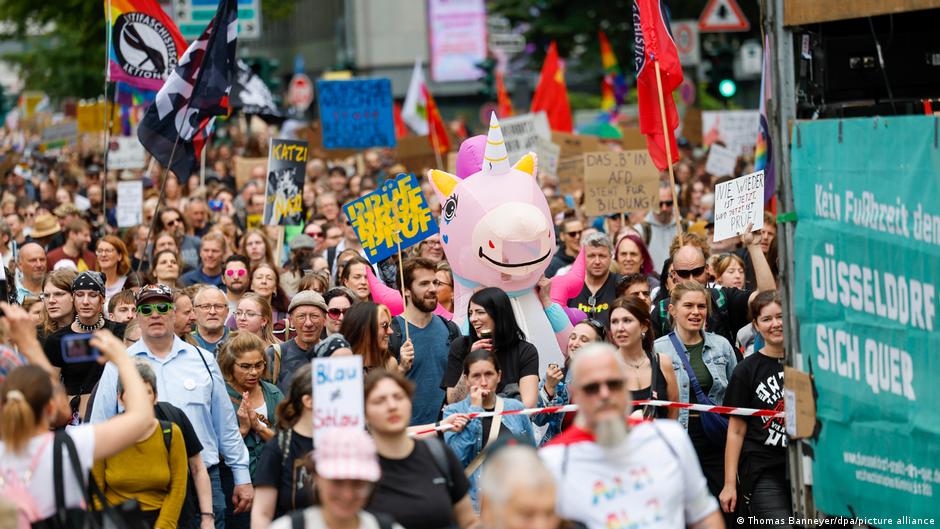
German Protests Against AfD Highlight Political Risk for Digital Economy
Mass protests against right-wing extremism in Germany underline political risk questions for fintech, digital banking and tech investors.

Mass protests against right-wing extremism in Germany underline political risk questions for fintech, digital banking and tech investors.

Russia is expected at the G20 energy meeting in Houston as energy security risks ripple through payments, banking, crypto and tech markets.

Lukashenko says Belarus will inspect all armed forces up to mobilization readiness, adding risk for payments, crypto and regional tech exposure.

Zelensky says he expects a US delegation meeting by late September focused on energy and food security amid attacks on infrastructure.

France warned CNews it could face criminal proceedings if expelled former RT France chief Ksenia Fedorova appears by video link.

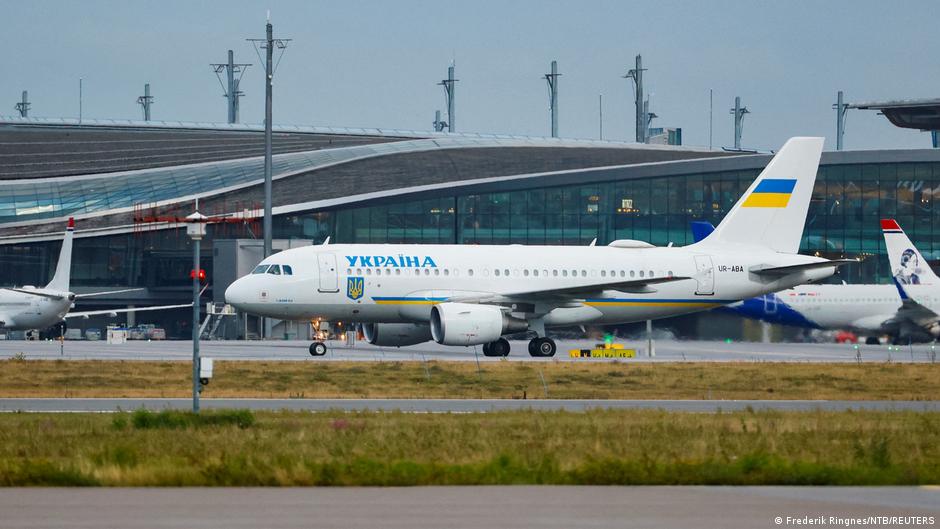
A reported drone threat that delayed Zelenskyy’s flight from Moldova adds to geopolitical risks facing payments, crypto and tech firms.

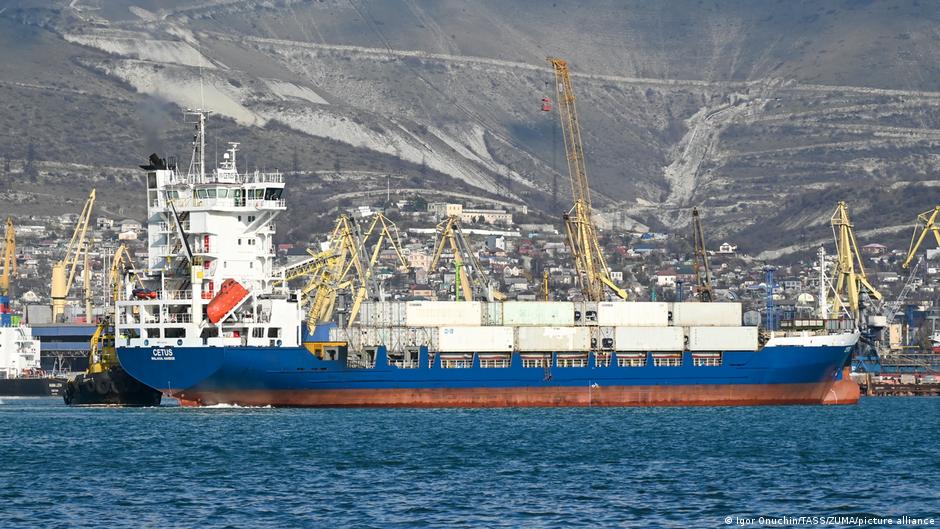
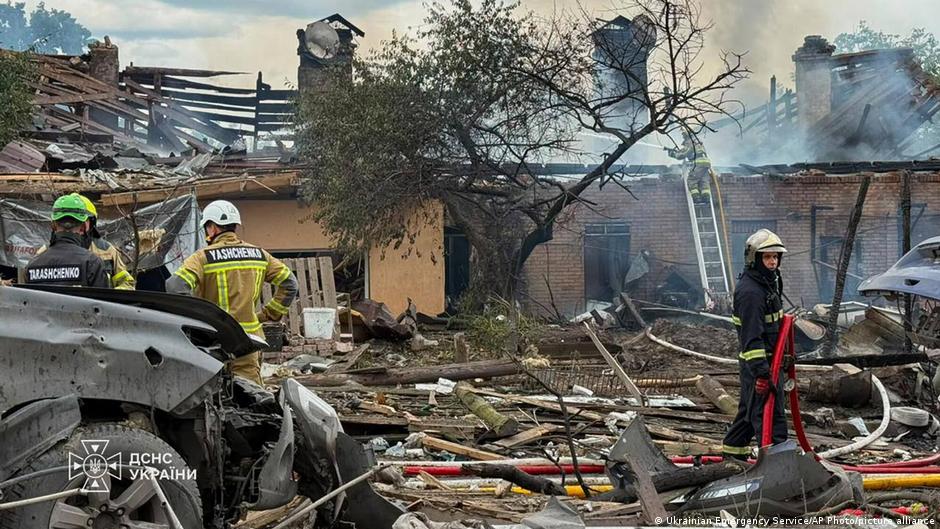
A drone attack on Novorossiysk reportedly caused fires at a fuel oil terminal and residential building, renewing focus on trade and payment risks.

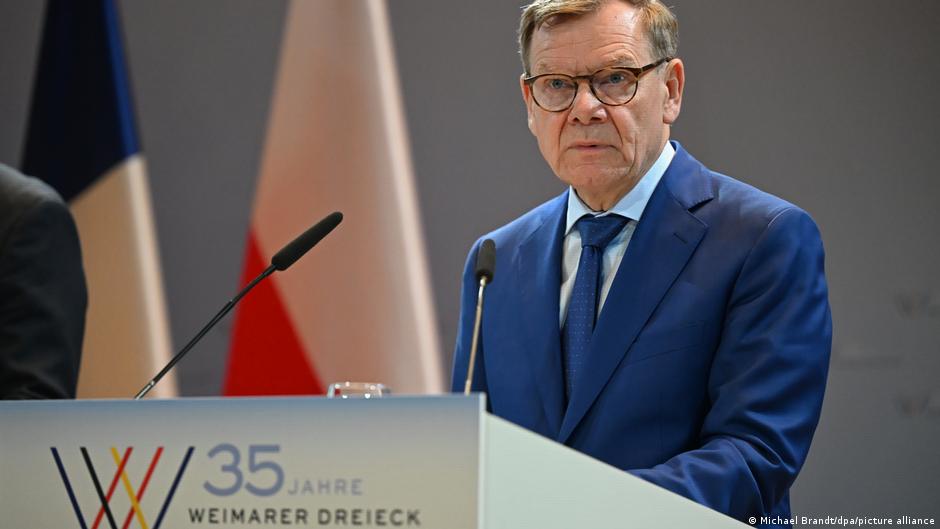
Germany’s foreign minister says German defense firms should benefit from Berlin’s Ukraine support, tying aid to procurement and taxpayer accountability.

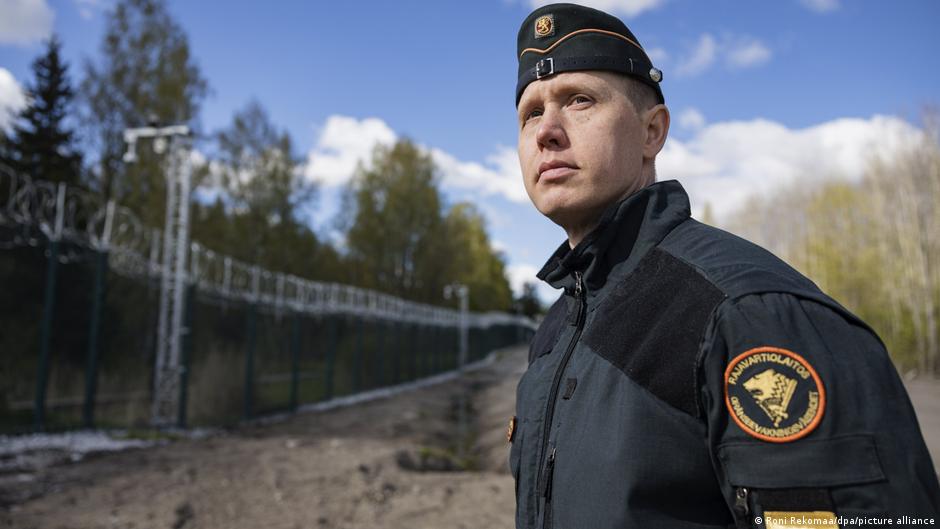
Finland completed a 200-kilometer Russia border fence, adding technical surveillance as Europe links physical security with digital risk.

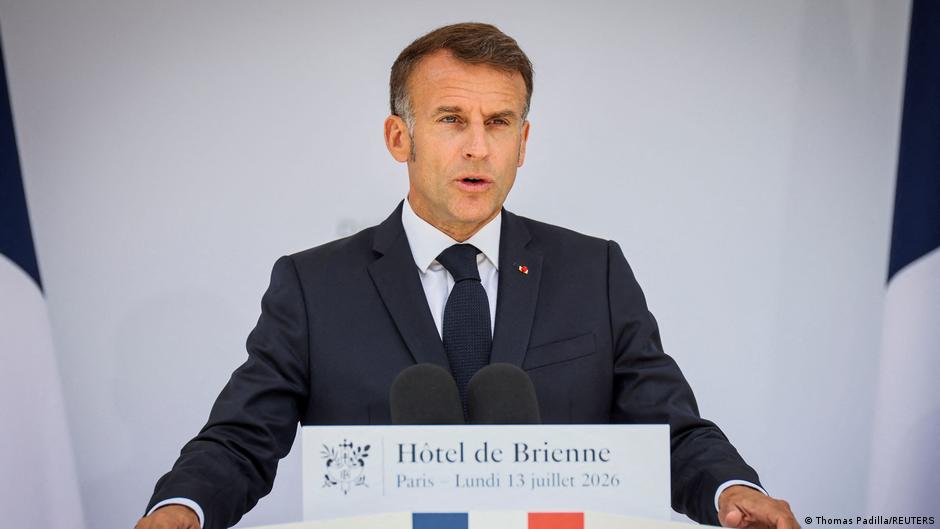
Macron is pushing for an EU-wide social media ban for under-15s after France’s top constitutional body blocked a national law.

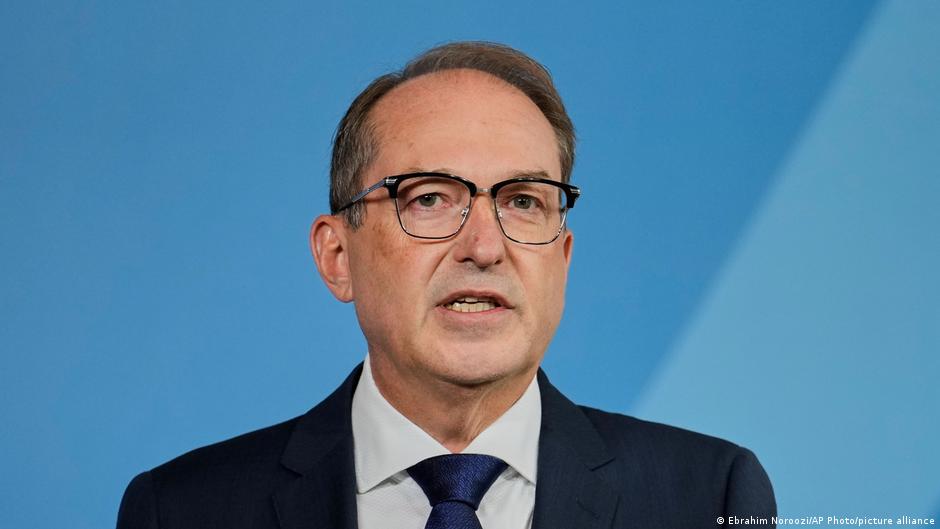
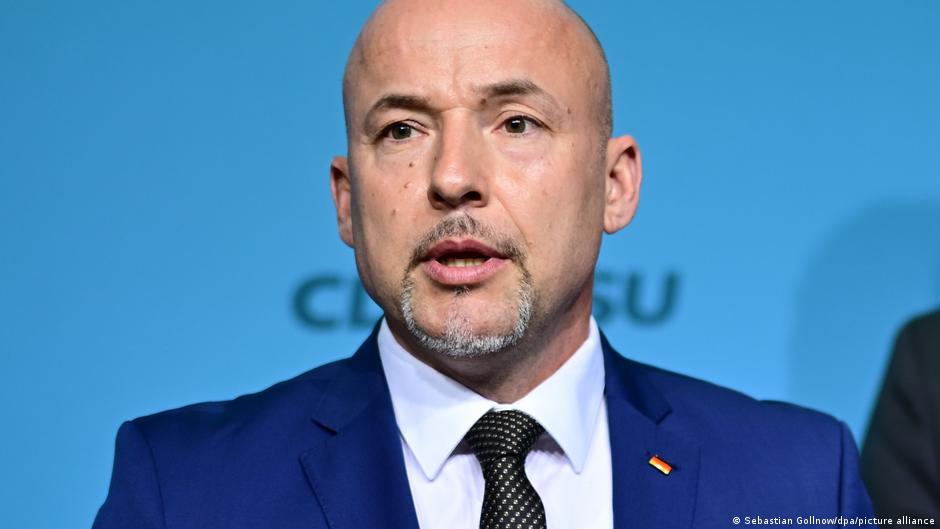
European leaders reacted sharply to AfD’s projected win in Saxony-Anhalt, a result that could heighten political risk for fintech and digital markets.

AfD won 43.8% in Saxony-Anhalt, but coalition uncertainty raises policy risk around energy, sanctions and the digital economy.

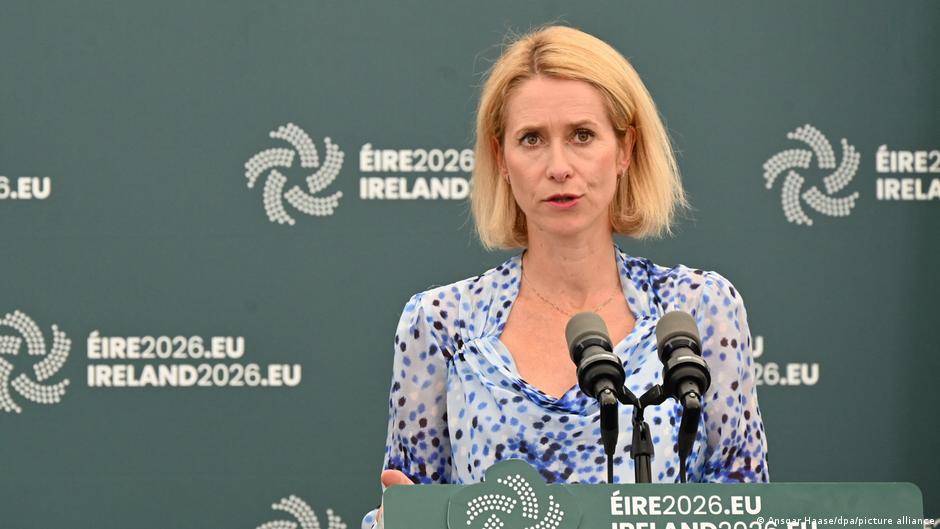
Kaja Kallas cancelled a planned EU defence expert group after German and Italian objections, delaying a forum tied to Europe’s security tech agenda.

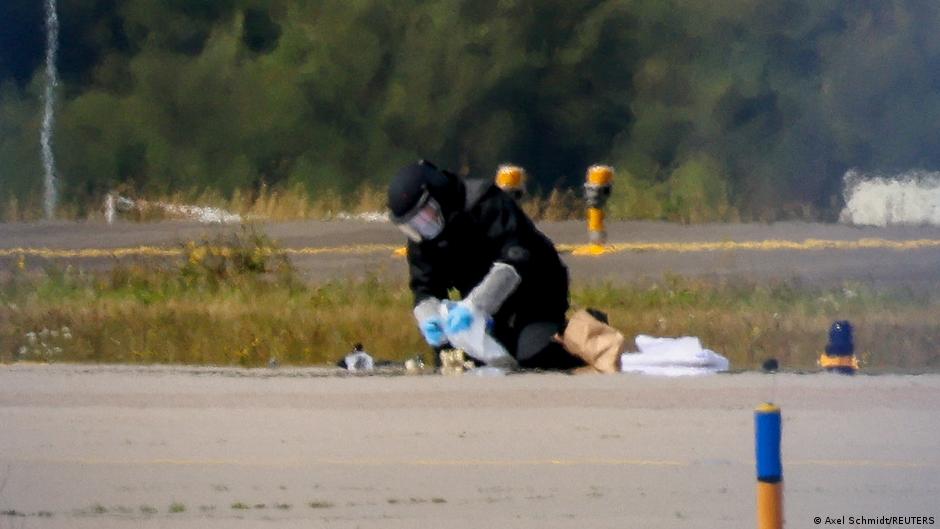
Germany plans drone defenses and a Cyberdome after the Leipzig incident, raising stakes for payments, fintech, logistics and digital infrastructure.

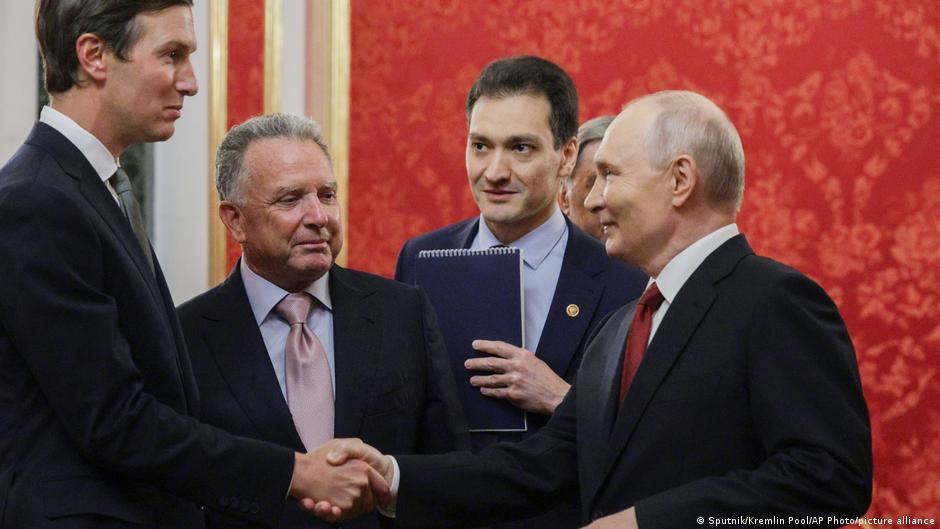
U.S. envoys discussed Ukraine peace plans with Putin and are heading to Kyiv, with fintech markets watching sanctions, payments and cyber risk.

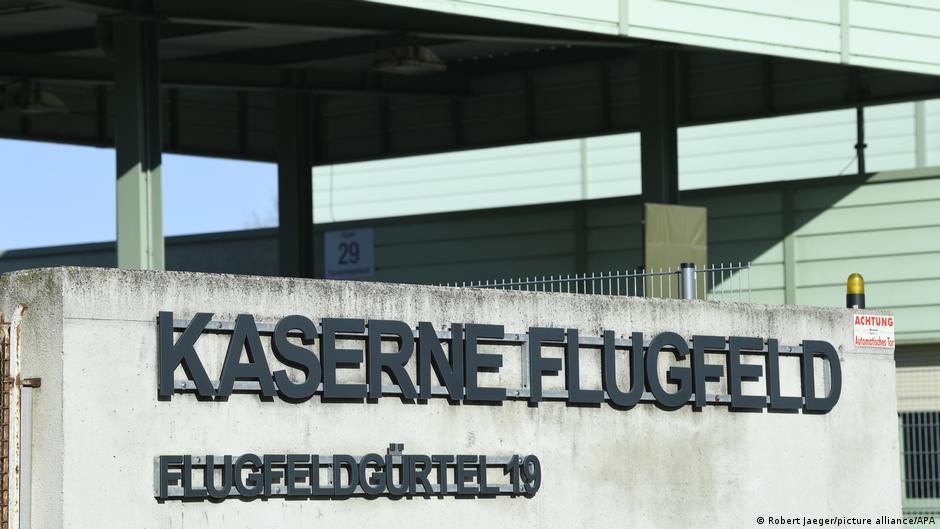
Latvia says a Leipzig sabotage suspect lived in Russia, as the case raises wider concerns over logistics security, sanctions enforcement and trade-related risk.

Volkswagen approved a vast restructuring plan with 50,000 job cuts, major model reductions and a 135 billion euro investment program through 2031.

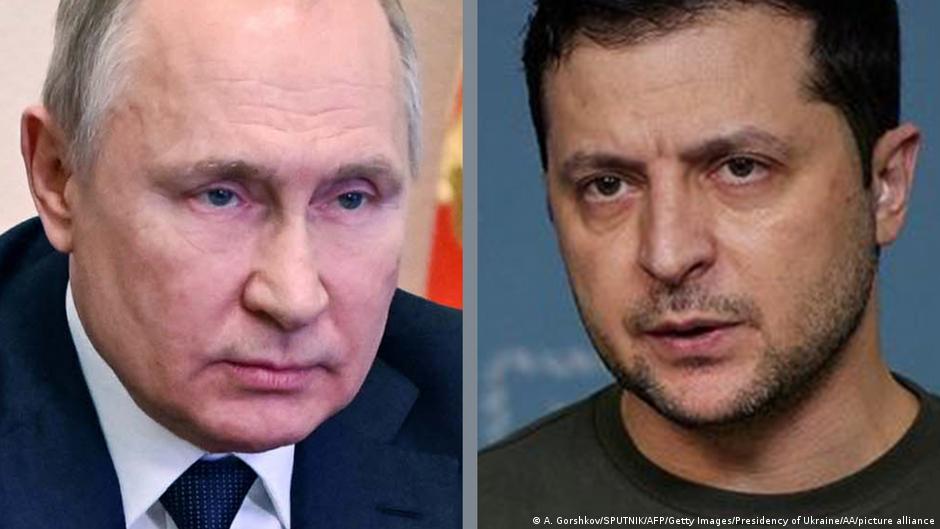
Putin said peace through diplomacy is possible, while Zelensky said U.S. envoys will visit Kyiv and Moscow to discuss a possible agreement.

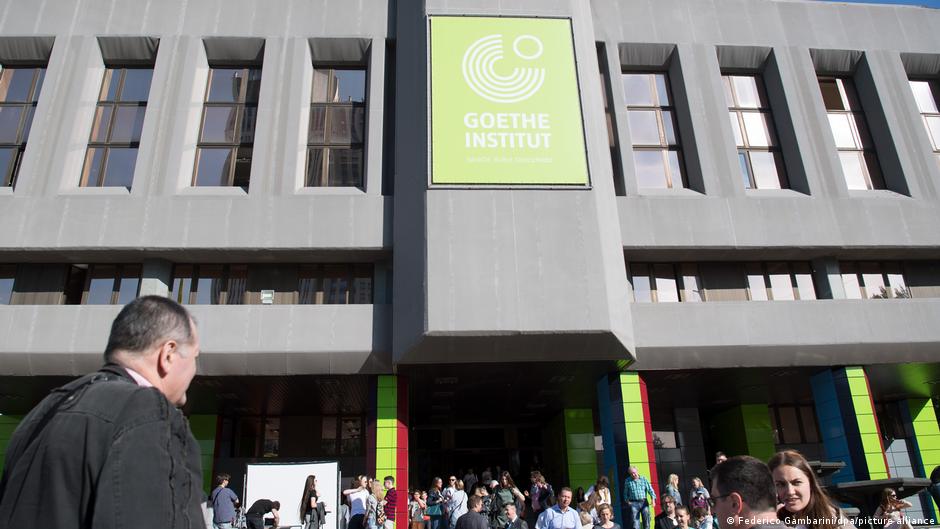
Russia says it will shut Goethe-Institut branches after Berlin tightened sanctions and moved against the Russian House, raising wider compliance signals.

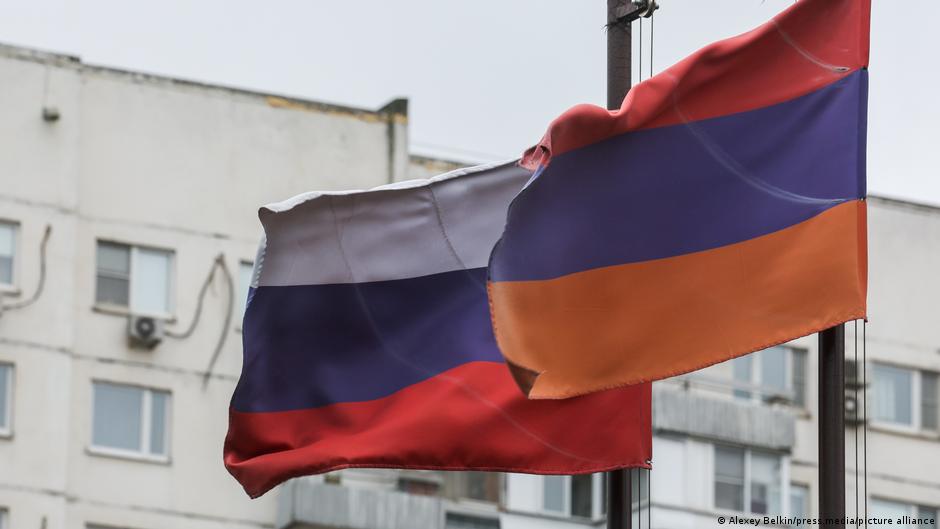
Putin told Pashinyan that Armenia’s move toward EU membership would amount to leaving the EEU, escalating a dispute with implications for trade and finance.

Foreign investment in Germany rose 50% to 86 billion euros in 2025, led by Britain and EU investors as US capital sharply declined.
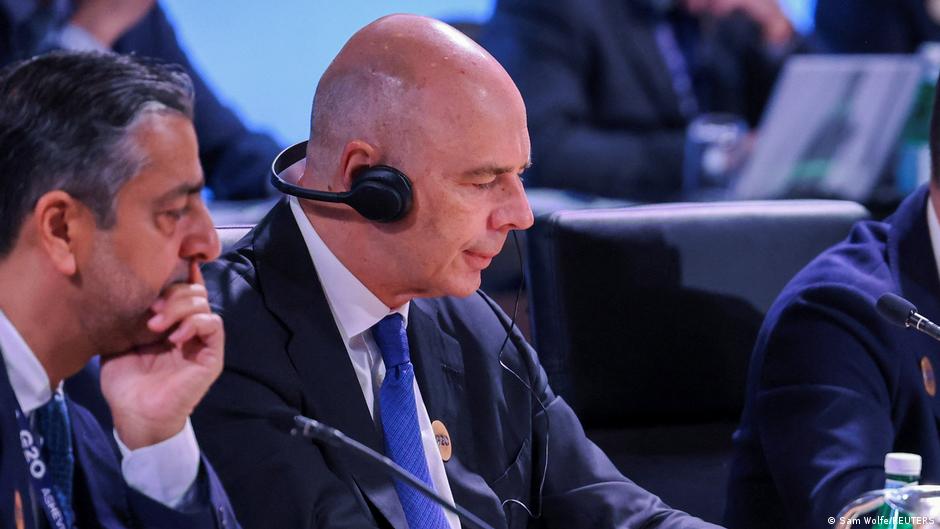
Reuters reports the U.S. told Russia at the G20 not to expect sanctions relief before the war in Ukraine ends, extending pressure across finance and payments.

Russia's covert sabotage campaigns on European defense plants involve criminal groups paid via cryptocurrency, challenging NATO's cybersecurity and response strategies.

The EU pledges sustained support for Ukraine, emphasizing sanctions on Russia and prospects for Ukraine's EU integration, with implications for fintech and digital economy sectors.

Russia has established a covert aviation network to supply its military in Africa, bypassing Western sanctions via complex logistics involving military and private carriers.

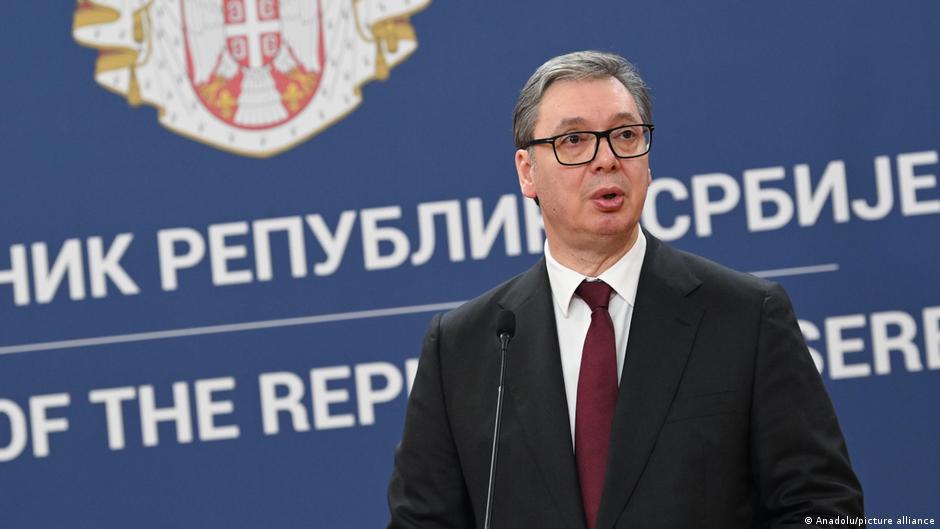
Serbia will hold early parliamentary elections in October 2023 amid widespread protests demanding government accountability and anti-corruption measures.

NATO affirms readiness to counter potential Iranian strikes on European military sites, highlighting cybersecurity and fintech risks amid rising geopolitical tensions.

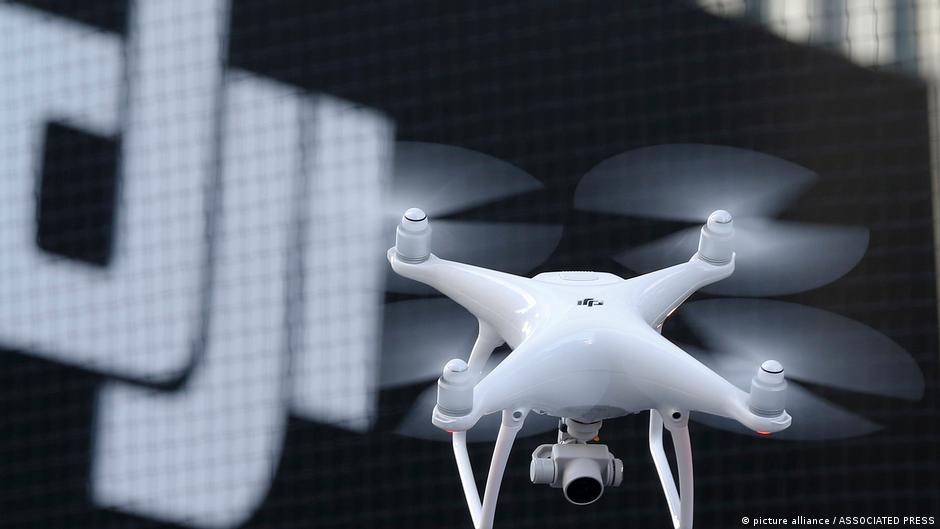
The US has imposed tariffs of up to 100% on imported drones and components to reduce foreign dependence and enhance national security amid cybersecurity concerns.

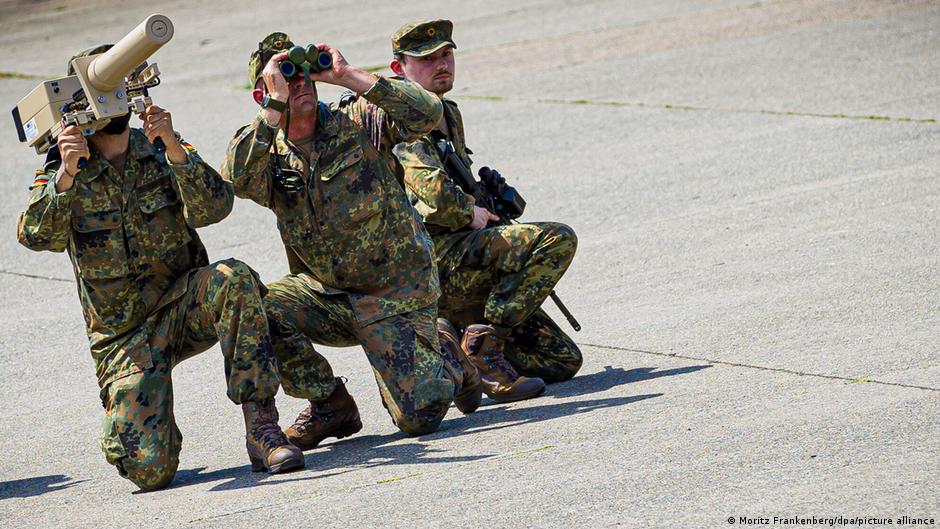
Germany reports a surge in drone activity near military bases, prompting new research and counter-UAV tech initiatives to address evolving hybrid security threats.

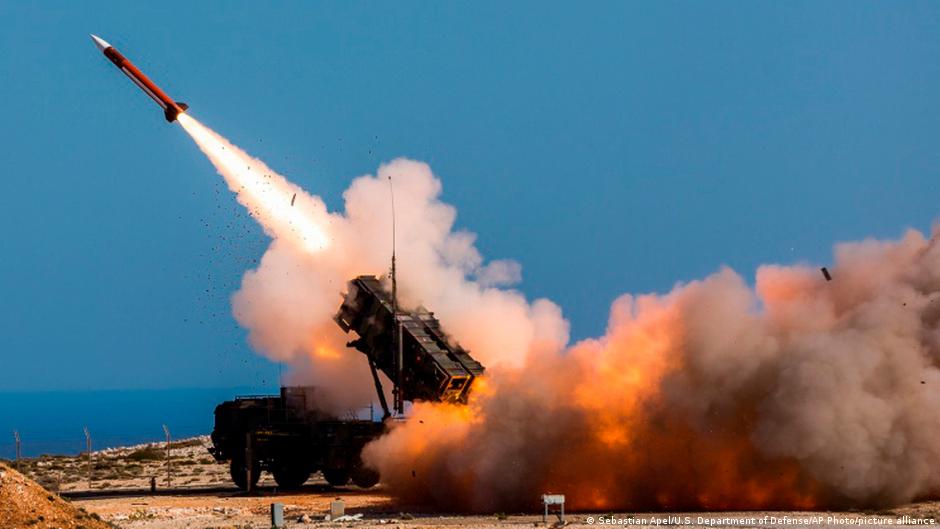
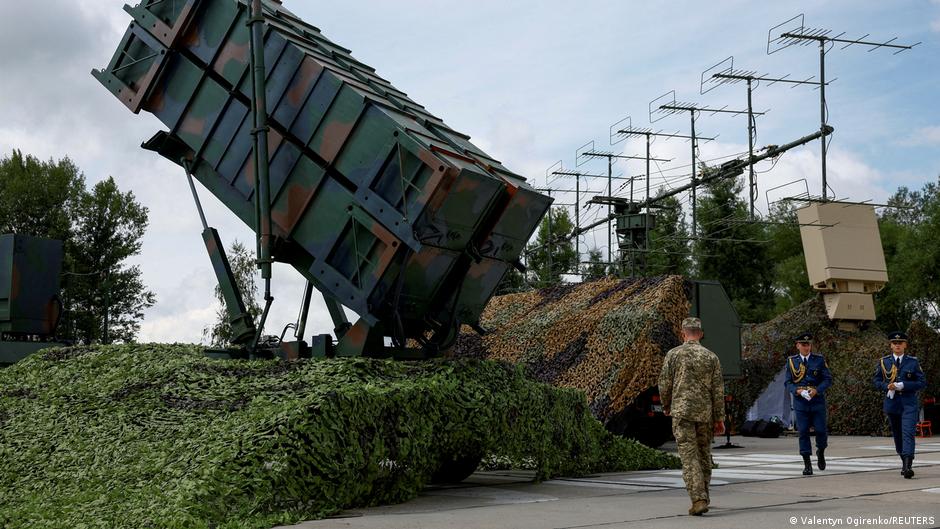
US defense firms Raytheon and Lockheed Martin warn that licensing Patriot missile technology to Ukraine could lead to enhanced missile production and potential intellectual property risks.

Germany responds to rising hybrid warfare threats by establishing a UAV research center and enhancing airport drone defenses following explosive drone incidents.

The US Senate approved stringent sanctions targeting Russia's energy and financial sectors, impacting global fintech, compliance, and energy trade dynamics.

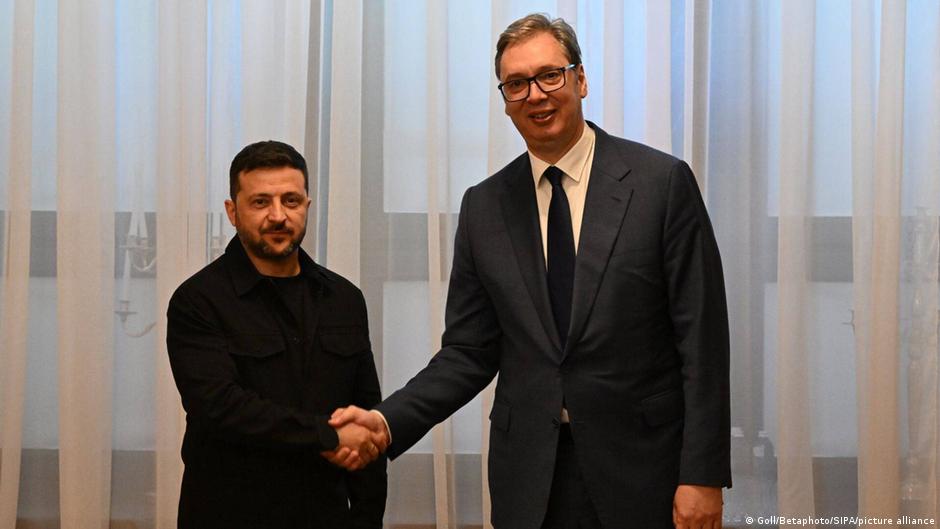
Ukrainian and Serbian presidents met in Belgrade to discuss economic ties, energy cooperation, and security, signaling potential fintech and digital economy collaboration.

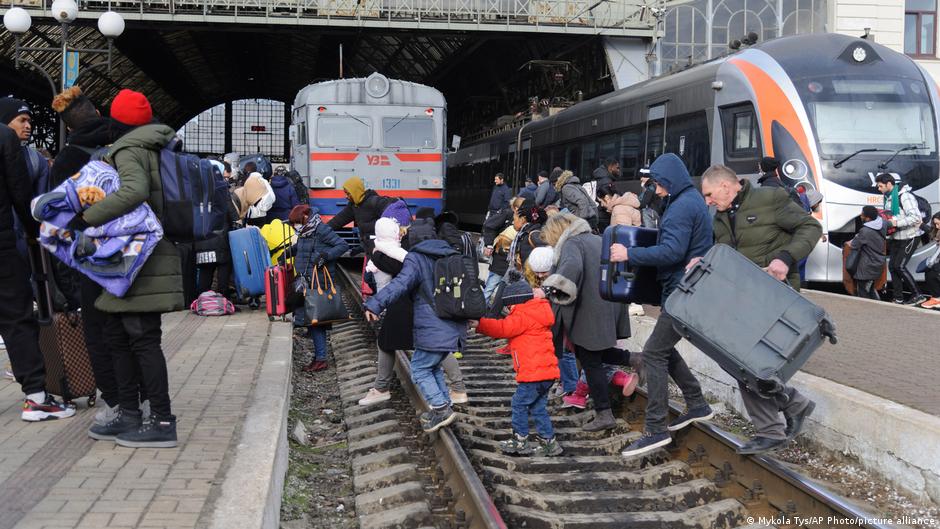
Over 8.4 million Ukrainians live abroad amid conflict, driving demand for fintech services, digital payments, and secure cross-border financial solutions.

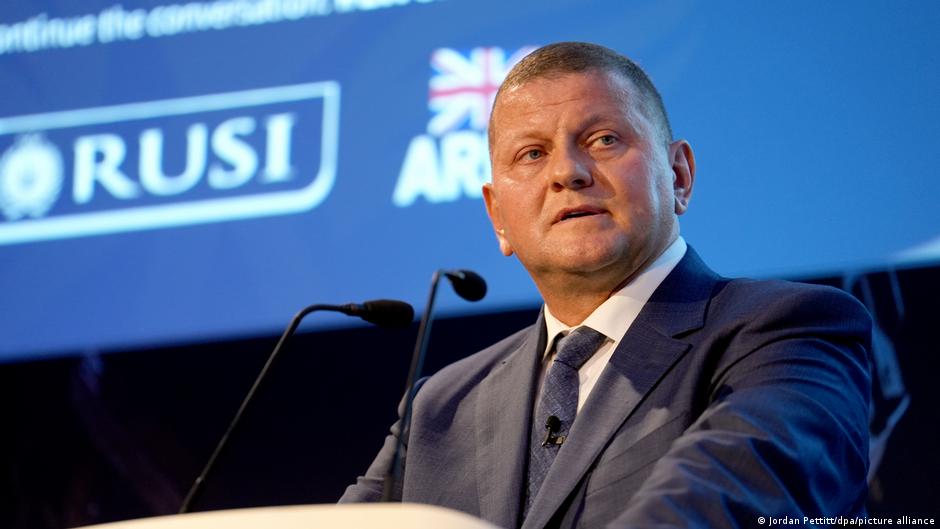
Former Ukrainian general Valeriy Zaluzhnyi says Ukraine will not join NATO but seeks advanced defense tech and new security alliances like the Joint Expeditionary Force.

Vladimir Osechkin suspends Gulagu.net citing global human rights crisis and security threats from Russian agents amid growing repression and digital surveillance.

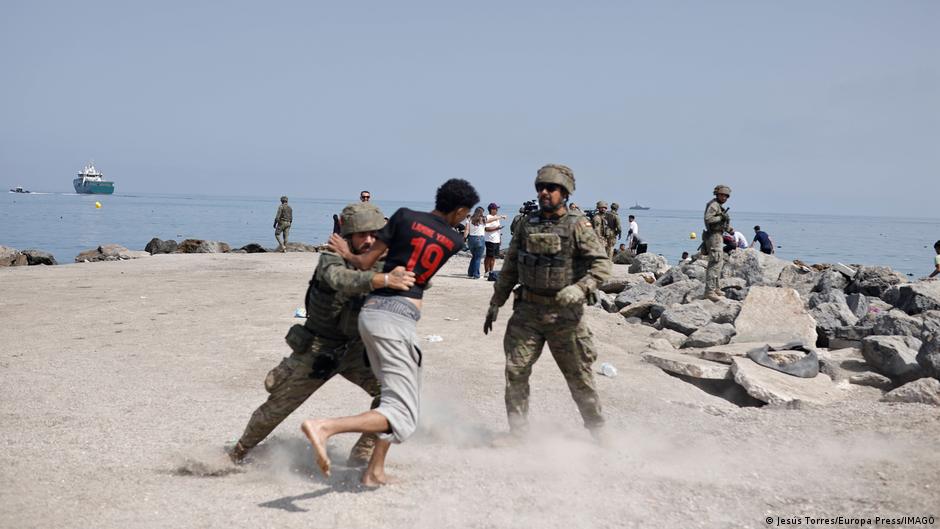
An influx of nearly 60,000 migrants into the Spanish exclave Ceuta has triggered security measures, protests, and regional border suspensions, raising concerns for fintech, digital payments, and cybersecurity sectors.

NATO considers deploying tactical nuclear weapons in Finland, Poland, and Lithuania, raising security and digital economy concerns amid Russian threats.

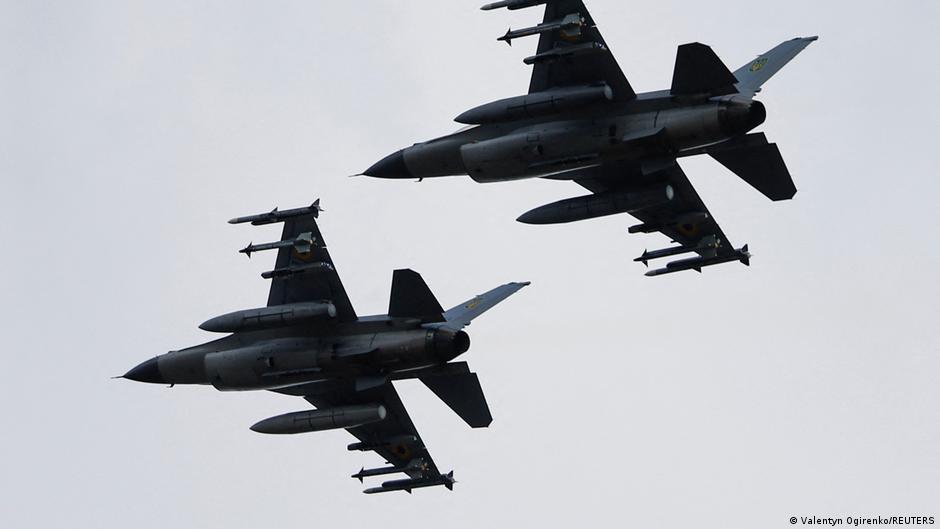
Ukraine has lost its fourth F-16 fighter jet amid the conflict, raising concerns about operational risks and the technological challenges of integrating advanced Western military aircraft.

Greece's spike in Schengen visa denials for Russians challenges travel and fintech sectors amid stricter EU security policies impacting payments and digital banking.

Austria plans to extend mandatory military service to nine months to address security and cyber threats, introducing field exercises and increased conscript pay.

A Kremlin-linked bot network disseminates fake news mimicking German media to influence voter sentiment ahead of September regional elections.

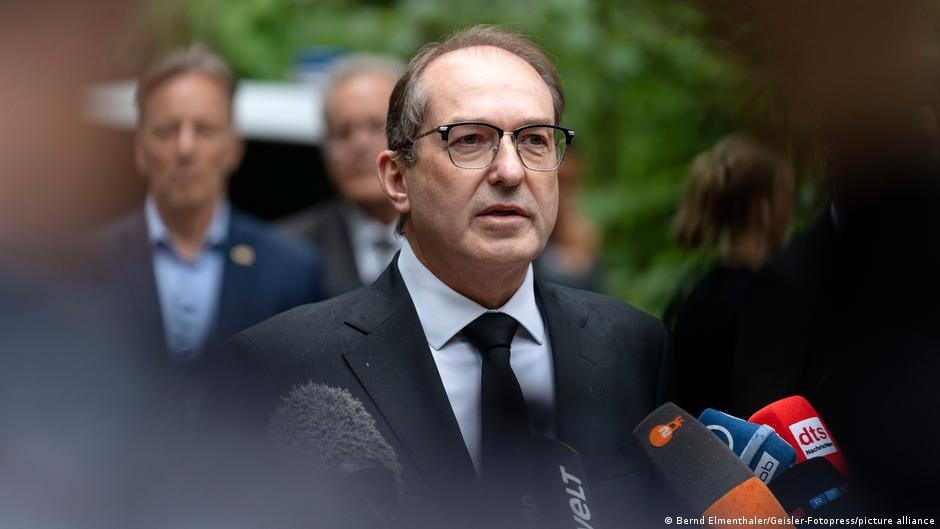
German politician Alexander Hoffmann urges Ukraine to share advanced drone technologies to enhance Germany's defense capabilities through a formal government agreement.

The EU has summoned the Russian envoy after missile strikes on a Kyiv arms exhibition and Latvian consulate, highlighting growing concerns over drone warfare and digital defense technologies.
Montenegro will end visa-free entry for Russian and Belarusian citizens after October 2026, impacting fintech, digital payments, and cross-border economic ties amid EU integration efforts.

Russia’s July oil and gas revenues could rise 60% year-on-year due to global price increases, despite sanctions aiming to limit its energy export earnings.

The US lifts sanctions on Miami-based Bel-Kap-Steel, linked to Belarusian steel giant BMZ, amid significant releases of political prisoners and broader easing of penalties.

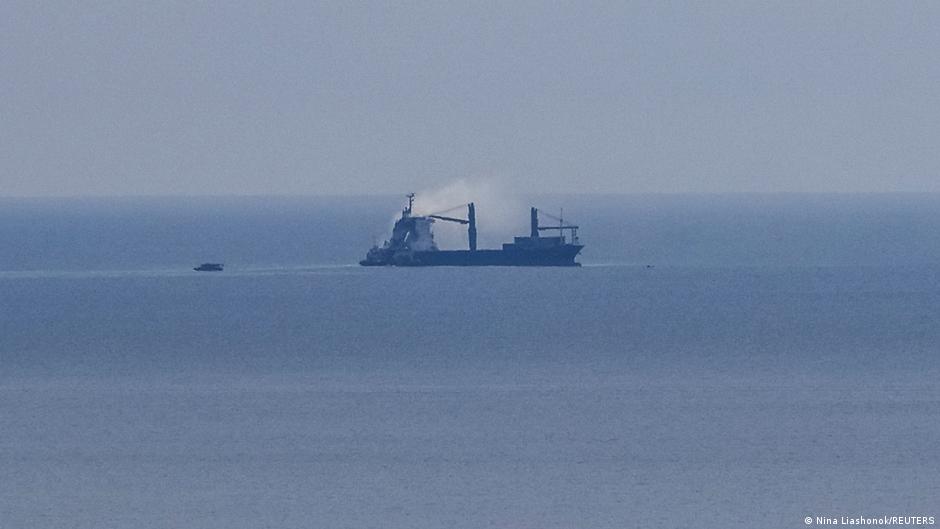
Ukraine calls for an emergency UN Security Council session after Russia attacks commercial ships in the Black Sea, threatening global food security and maritime trade.

Iran’s Revolutionary Guard mined and attacked an oil tanker in the Strait of Hormuz, impacting global energy trade and digital financial networks connected to maritime oil shipments.

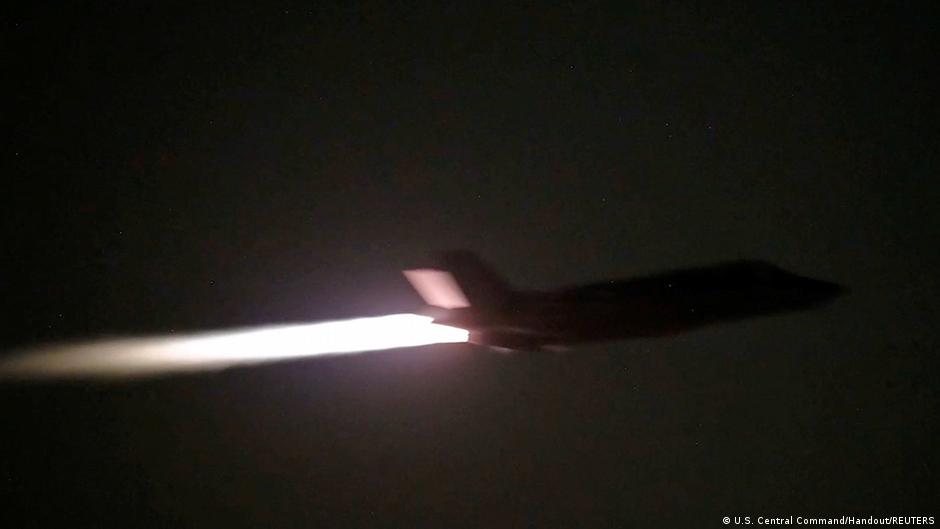
US forces continue 11th night of strikes on Iran, targeting military assets in a bid to secure Strait of Hormuz shipping lanes amid rising regional tensions.