Germany Urges Turkey to Exclude Russian Gas in EU Energy Contracts Amid Regional Shifts
Berlin insists on non-Russian gas supplies in future EU-Turkey energy agreements as Turkey balances between Moscow and EU ambitions.
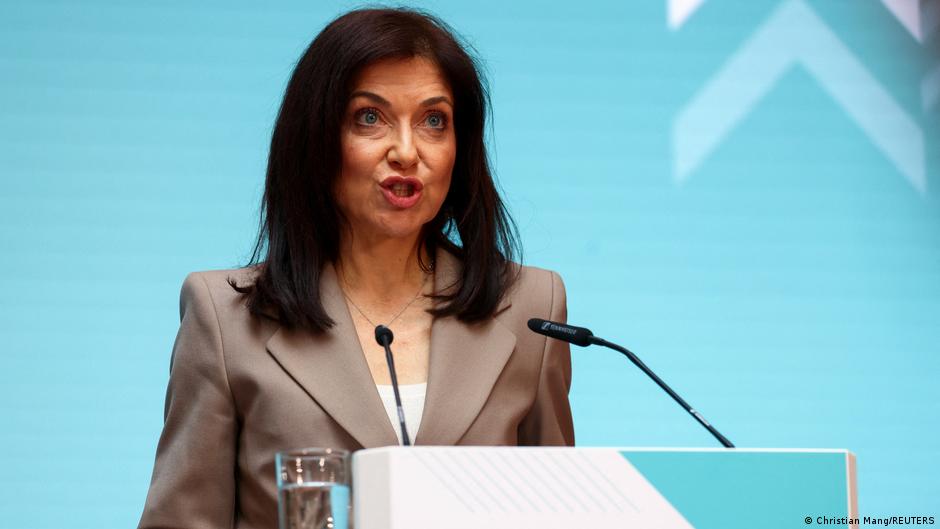
Germany has reinforced the European Union’s firm stance against sourcing Russian gas in future energy contracts involving Turkey, signaling significant implications for the regional energy market and digital economy sectors related to energy trade and infrastructure.
EU's Energy Strategy and Turkey's Role
During a two-day visit to Ankara, German Minister of Economy Katherina Reiche emphasized that Brussels will insist on energy supplies excluding Russian gas in all forthcoming agreements with Turkey. Germany's position underscores the EU’s continued efforts to sever dependency on Russian energy, a critical move that aligns with broader geopolitical and economic strategies following the ongoing conflict in Ukraine and associated sanctions targeting Russia’s energy sector.
"We need Turkey as a reliable trade partner and for achieving common political goals," Reiche noted, highlighting Turkey's strategic importance as the EU’s fifth-largest trading partner with nearly balanced trade relations.
Turkey, which is the second-largest buyer of Russian gas, faces a complex challenge. While negotiating new supply agreements with Moscow as current contracts near expiration, Ankara simultaneously seeks to position itself as a regional gas hub, aiming to diversify its energy sources and strengthen ties with the EU.
Reiche acknowledged Ankara’s understanding of the EU’s commitment to ending reliance on Russian raw materials but also recognized that replacing Russian gas cannot happen overnight due to economic constraints and existing resource limitations. This reality presents both challenges and opportunities for the digital economy, particularly in sectors such as digital banking and fintech companies reliant on stable and predictable energy costs.
Implications for Energy Payments and Digital Infrastructure
Turkey’s pivot away from Russian gas will impact energy payment systems and digital transaction platforms that facilitate cross-border energy trade. Fintech innovations in energy payments and blockchain-based contracts could play a pivotal role in ensuring transparency and efficiency as Turkey navigates new supplier relationships and integrates with EU markets.
Moreover, the shift in energy sourcing may drive increased cybersecurity demands. Protecting critical energy infrastructure and digital financial platforms from cyber threats will become paramount amid heightened geopolitical tensions. This environment could stimulate growth in cybersecurity investments and tech stocks within Turkey and the EU, reflecting the digital economy’s adaptability to evolving energy landscapes.
Turkey's recent moves to increase oil imports from Iraq and Kazakhstan, following sanctions on Russian oil by the US, EU, and UK, further illustrate its strategic diversification efforts. These shifts not only alter physical supply chains but also necessitate advancements in digital systems managing energy logistics and payments.
As Turkey balances its energy partnerships, the intersection of fintech, digital banking, and cybersecurity will become increasingly critical. The evolving energy supply framework presents a unique opportunity for technology-driven solutions to facilitate resilient and compliant cross-border trade aligned with EU regulatory standards.
In conclusion, Germany’s insistence on excluding Russian gas from EU-Turkey contracts signals a transformative phase in regional energy markets. This transition will reverberate across the fintech and digital economy sectors, underscoring the importance of technological innovation in payments, contract management, and cybersecurity to support a stable and diversified energy future.