Ukrainian Security Service Targets Russian Energy and Military Infrastructure in 40-Day Campaign
Ukraine’s Security Service reports strikes on over 100 strategic Russian sites and key energy assets to weaken military capacity.
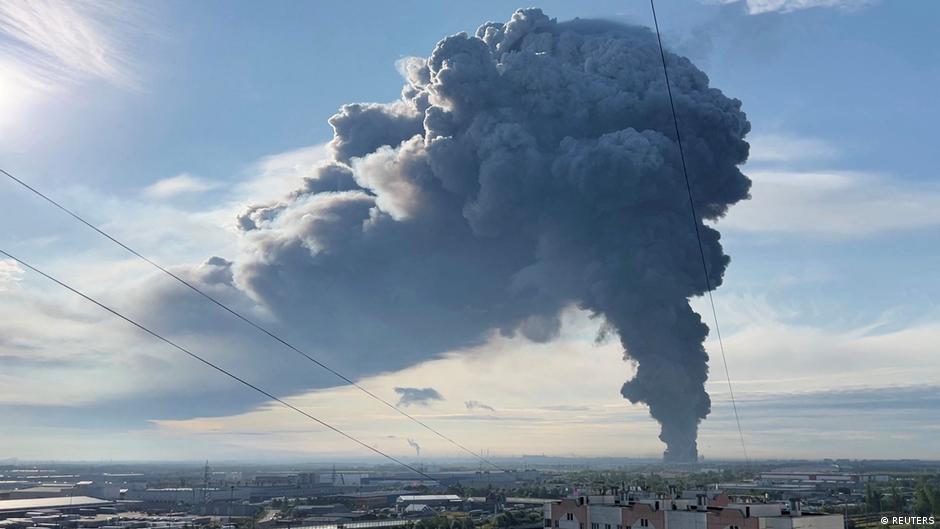
The Ukrainian Security Service (SBU) has reported a 40-day operation targeting more than 100 strategic objects across Russia and occupied Ukrainian territories, striking over 21,000 military targets on the frontlines. The operation, approved by President Volodymyr Zelensky on June 25, aims to pressure Russia to end its war efforts.
Impact on Russian Energy and Military Logistics
The campaign focused heavily on crippling Russia's fuel and energy infrastructure, a critical component of its military-industrial complex. Over the 40 days, the SBU attacked 14 oil refineries, numerous oil depots, tank farms, pumping stations, oil terminals, and an oil production platform. Additionally, several sanctioned vessels, including the tankers Blue, Louise 1, Banda, Avero, and two cargo ships, were targeted.
These strikes hit key military-industrial enterprises, air bases, air defense systems, command centers, Russian Navy ships, and so-called "shadow fleet" tankers, alongside transport and military logistics hubs. The SBU claims more than 21,000 units of military equipment and infrastructure were destroyed, with nearly 5,000 Russian military personnel killed.
"The 40-day campaign was aimed at simultaneously weakening the key elements of the Russian military machine," the SBU stated, emphasizing continued efforts to diminish Russia's military-economic potential.
Broader Implications for Digital Economy and Cybersecurity
The operation’s strategic targeting of energy and logistics infrastructure could have significant ripple effects on Russia’s digital economy, particularly in sectors reliant on stable energy supplies such as digital banking and payment systems. As Russia grapples with disruptions in fuel and transport logistics, its fintech sector and tech stock markets may face increased volatility.
Furthermore, cybersecurity concerns are likely to intensify amid ongoing hostilities. The degradation of military command and control infrastructure may coincide with heightened cyber operations, potentially impacting digital financial services and cryptocurrency ecosystems within and beyond Russian borders.
President Zelensky has authorized new operations in coordination with acting SBU head Major General Oleksandr Poklad, signaling a sustained campaign to weaken Russia’s war capabilities and economic resilience.