Bolivia and US Renew Anti-Drug Cooperation After 18 Years, Signaling New Security Tech Investments
Bolivia and the US have signed a landmark agreement to combat drug trafficking, including funding for tech and training upgrades in law enforcement.
In a significant development after nearly two decades, Bolivia and the United States have signed a new bilateral agreement targeting drug trafficking and transnational organized crime. This marks the first formal cooperation between the two nations since 2008, when diplomatic relations were severed.
The agreement, officially titled the "Agreement on Strengthening Bilateral Cooperation in the Fight Against Illicit Drug Trafficking and Transnational Organized Crime," was signed by Bolivia's Foreign Minister Fernando Aramayo. Under the terms of the pact, the US will allocate up to $20 million to support Bolivian efforts through specialized training and the acquisition of advanced equipment for combating narcotics crime.
Implications for Digital Security and Tech in Law Enforcement
While the agreement primarily targets drug cartels and narcotrafficking networks, it also reflects a growing emphasis on integrating modern technology and cybersecurity measures in law enforcement operations. The allocated funds are expected to enhance Bolivia's digital infrastructure for monitoring, intelligence gathering, and secure communication, crucial components in disrupting sophisticated criminal networks.
"This agreement is a pivotal step towards modernizing Bolivia's anti-narcotics capabilities through technology-driven solutions and professional training," noted experts on digital security in law enforcement.
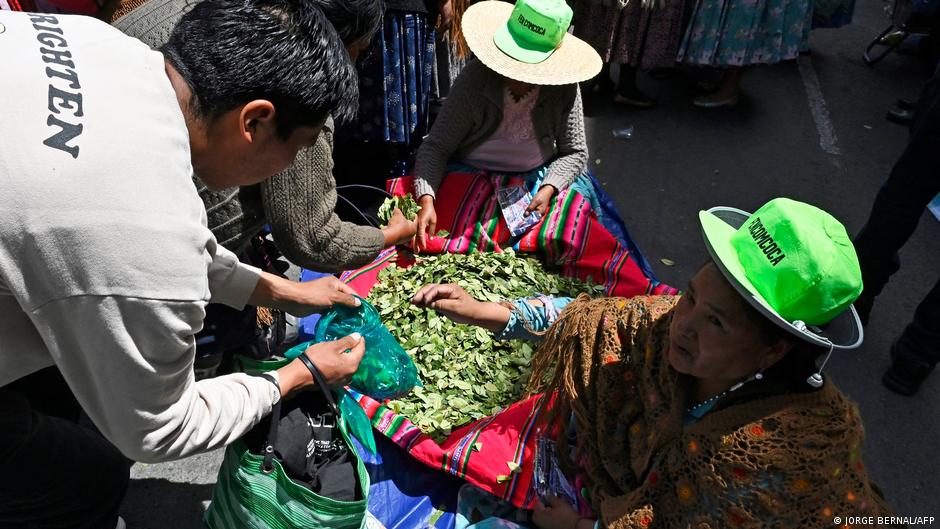
Bolivia, ranked as the world’s third-largest cocaine producer, has a complex socio-cultural relationship with coca leaf consumption, which remains a traditional practice. However, the illicit drug trade fueled by coca cultivation presents significant challenges to regional security and economic development.
The restoration of cooperation with the US Drug Enforcement Administration (DEA), although the DEA office in La Paz has yet to reopen, signals a cautious thaw in the historically strained bilateral relationship. Despite no formal diplomatic exchanges such as ambassador appointments, this collaborative framework opens the door for potential expansion into digital financial investigations, cybersecurity cooperation, and cross-border data sharing.
The agreement’s emphasis on upgrading law enforcement technology aligns with broader trends in fintech and digital economies, where governments are increasingly leveraging data analytics, blockchain, and encrypted communication tools to counter financial crimes linked to drug trafficking.
As Bolivia integrates new technologies and international expertise into its anti-narcotics operations, this could also impact the digital banking sector by fostering enhanced regulatory compliance measures and promoting transparency in financial transactions related to illicit activities.
Looking ahead, the partnership may stimulate investments in cybersecurity infrastructure and create opportunities for tech companies specializing in law enforcement tools, analytics platforms, and secure communication solutions, potentially influencing regional tech stock markets.