Russian Ballistic Missile Strikes Hit Kyiv, Resulting in Multiple Casualties and Infrastructure Damage
At least nine dead and over twenty injured in missile attacks on Kyiv, highlighting critical risks to urban infrastructure and emergency response systems.
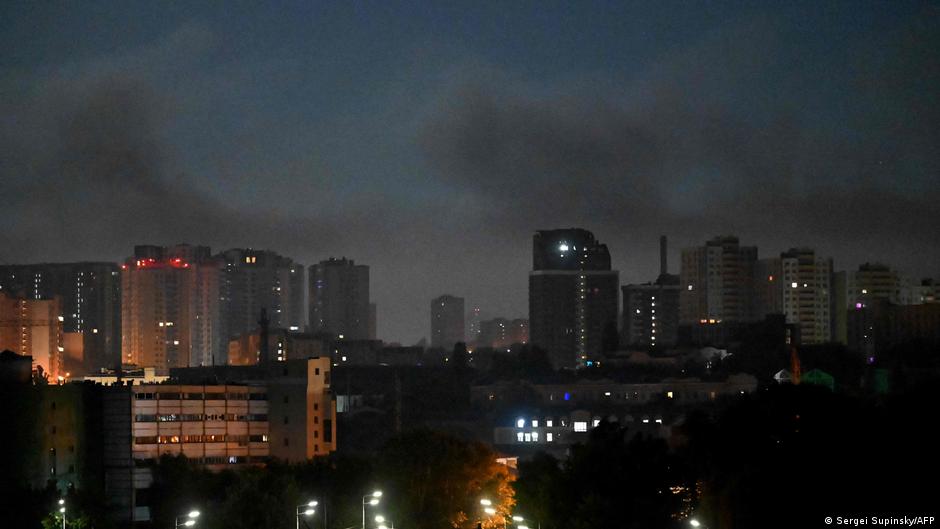
In the early hours of August 1, Kyiv was struck by a series of ballistic missile attacks launched by Russian forces, leading to significant casualties and damage across multiple city districts. The assaults underscore the vulnerability of urban centers to missile threats, with implications for the resilience of critical infrastructure and emergency response capabilities in conflict zones.
Impact on Infrastructure and Emergency Services
The missile strikes caused fatalities and injuries in five districts of Kyiv. According to local authorities, the Solomianskyi district sustained two fatalities and eight injuries, including two children aged 13 and 17. Infrastructure damage included the partial collapse of a five-story residential building and fires ignited both on the premises and in parked vehicles. Emergency responders evacuated 35 residents from upper floors and extinguished the fires.
In the Darnytskyi district, the attacks led to fires and destruction in an administrative building and a non-residential facility. Vehicle fires and damaged residential structures were reported at additional locations. Casualty figures reached seven dead and 14 injured, including two minors. Firefighters successfully contained the blazes.
Beyond Kyiv’s city limits, a fire broke out at an industrial enterprise in Kyiv Oblast, resulting in injuries to two individuals.
"Kyiv is under ballistic missile attack. Take shelter immediately," urged the city's mayor, emphasizing the urgent need for civilian preparedness and rapid emergency response.
These attacks have spotlighted the critical need for robust urban defense systems to safeguard civilians and preserve essential services, including communications and healthcare delivery.
Fintech and Digital Economy Implications
The missile strikes also pose significant challenges to Kyiv's digital economy, particularly regarding payment systems, digital banking operations, and cybersecurity. Infrastructure damage and power outages can disrupt transaction processing and online banking services, straining fintech platforms that rely on uninterrupted connectivity and data centers.
Moreover, heightened conflict environments often see an uptick in cyber threats, targeting financial institutions and digital platforms. Safeguarding digital assets and ensuring operational continuity remain key priorities for fintech companies and regulators alike in such volatile contexts.
Investors in tech stocks related to cybersecurity and digital banking must closely monitor geopolitical risks, as escalation can impact market stability and the valuation of firms operating in affected regions.
As Kyiv continues to face missile threats, the resilience of its digital infrastructure will be crucial to maintaining economic functions and protecting financial ecosystems.