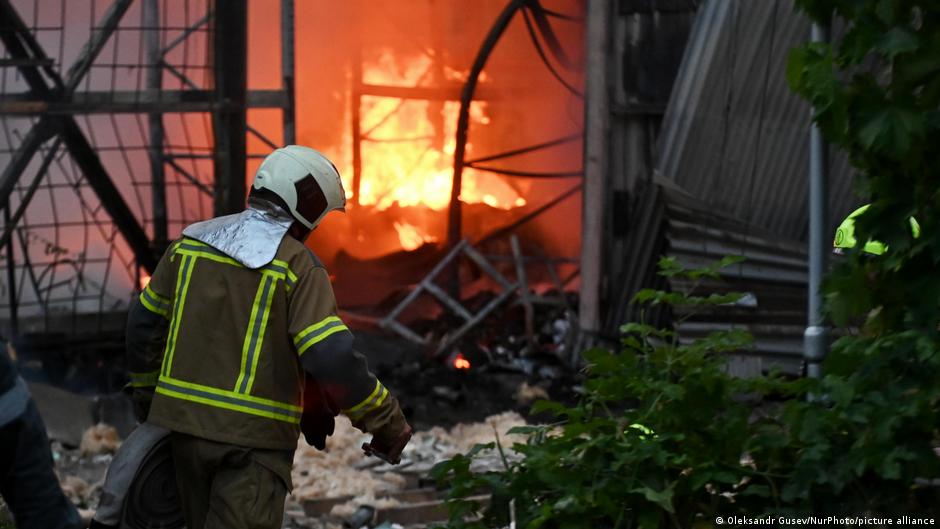
Russian Drone Strikes Hit Kyiv Fuel Sites and Odesa Port Infrastructure
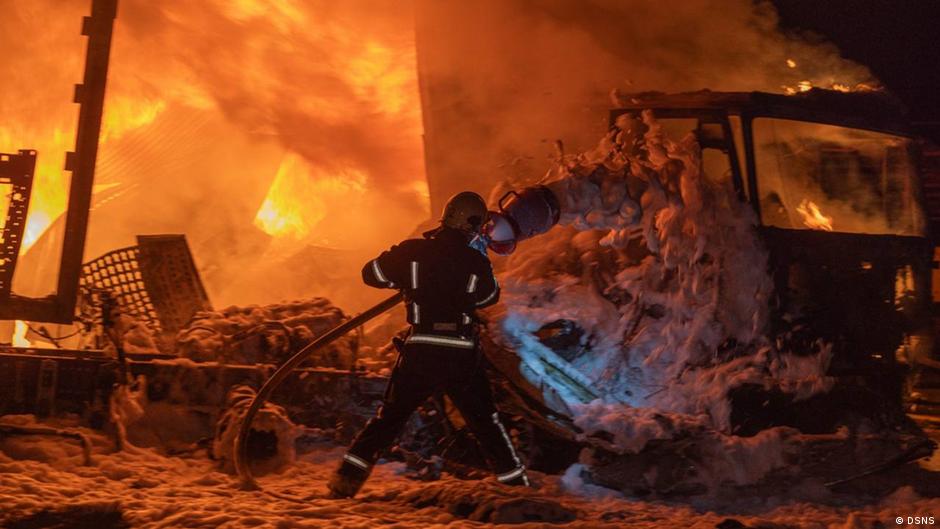
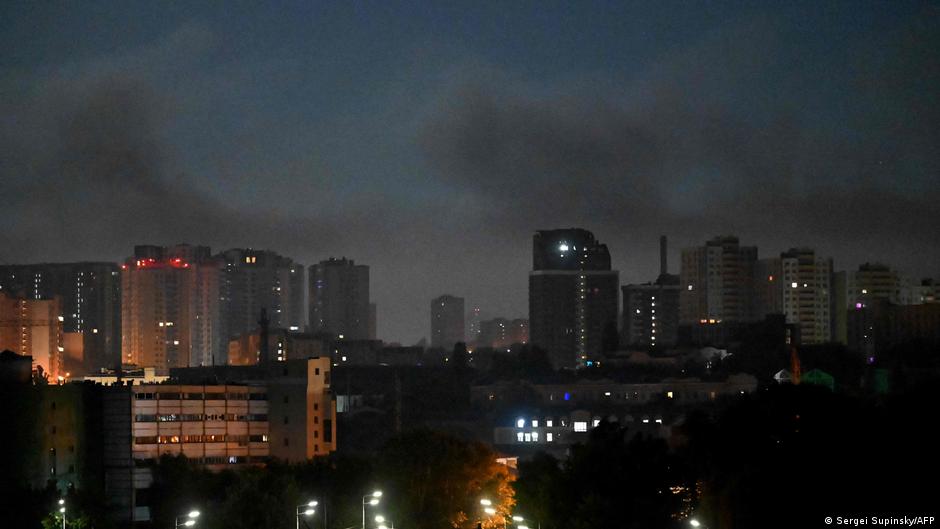
Russian drone strikes hit Kyiv fuel stations, warehouses and Odesa port infrastructure, raising risks for logistics and digital commerce.

Russian drone strikes hit Kyiv fuel stations, warehouses and Odesa port infrastructure, raising risks for logistics and digital commerce.

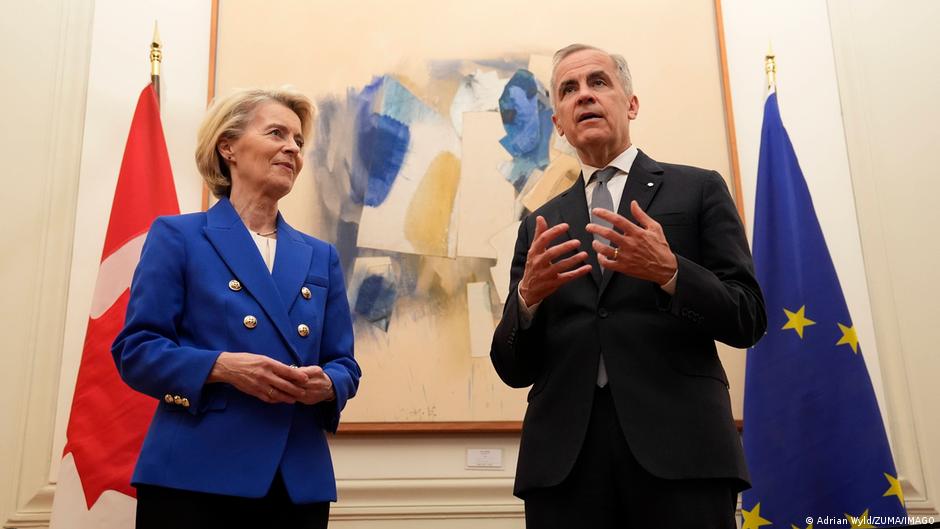
Canada is negotiating entry into the EU’s €90 billion Ukraine loan while pursuing AI, supercomputing and digital trade ties with Brussels.

Mass protests against right-wing extremism in Germany underline political risk questions for fintech, digital banking and tech investors.

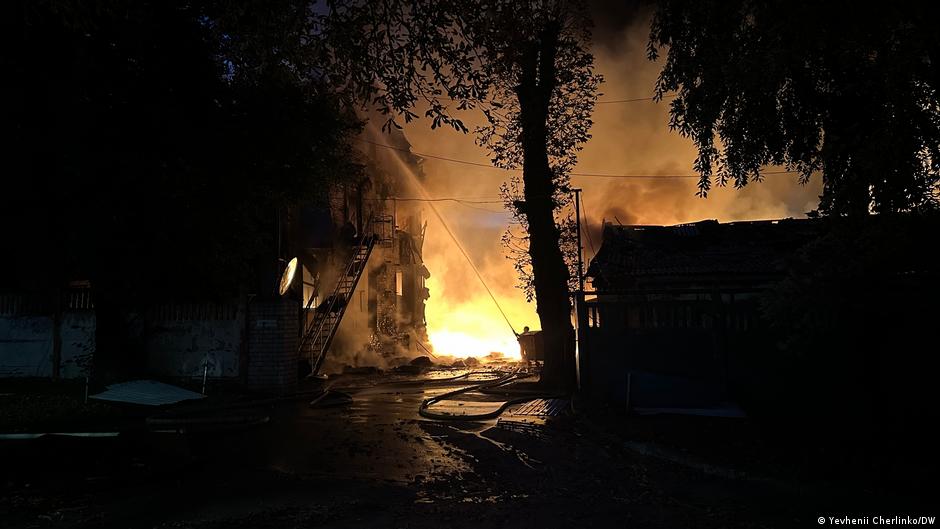
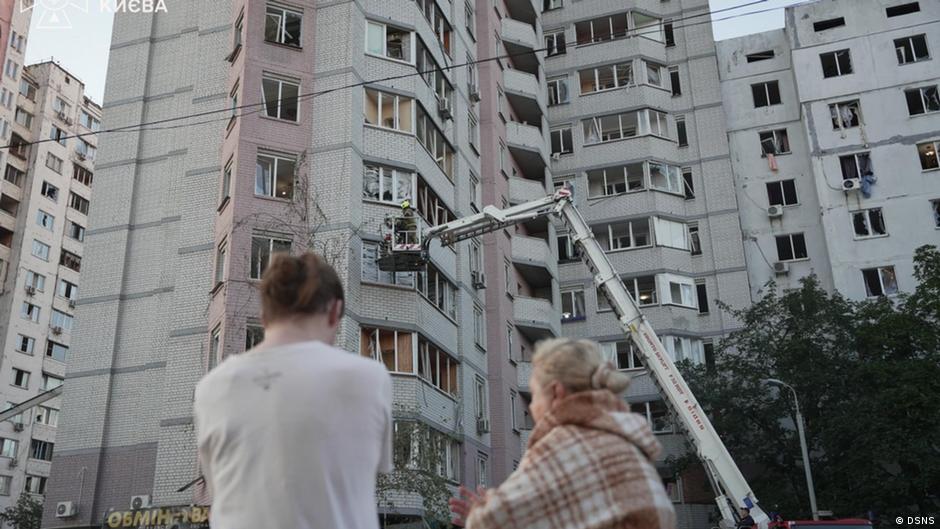
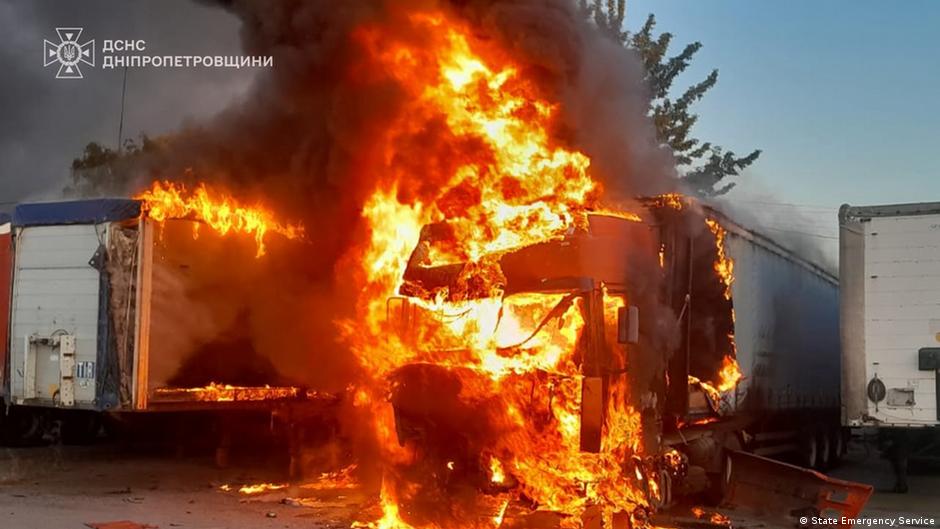
Russian strikes damaged logistics, warehouses, housing and energy infrastructure in Odesa, Kyiv region and Mykolaiv, injuring two people.

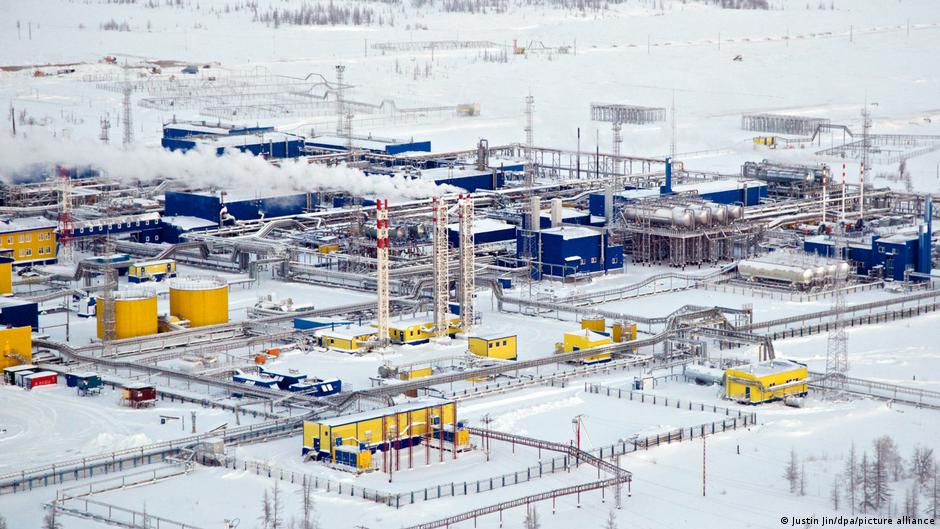
A first reported drone attack on Russia’s Yamal gas region highlights new infrastructure risks for energy finance, payments and tech markets.

Russian strikes killed civilians in Sumy and Mykolaiv and damaged port, warehouse, postal and residential infrastructure.

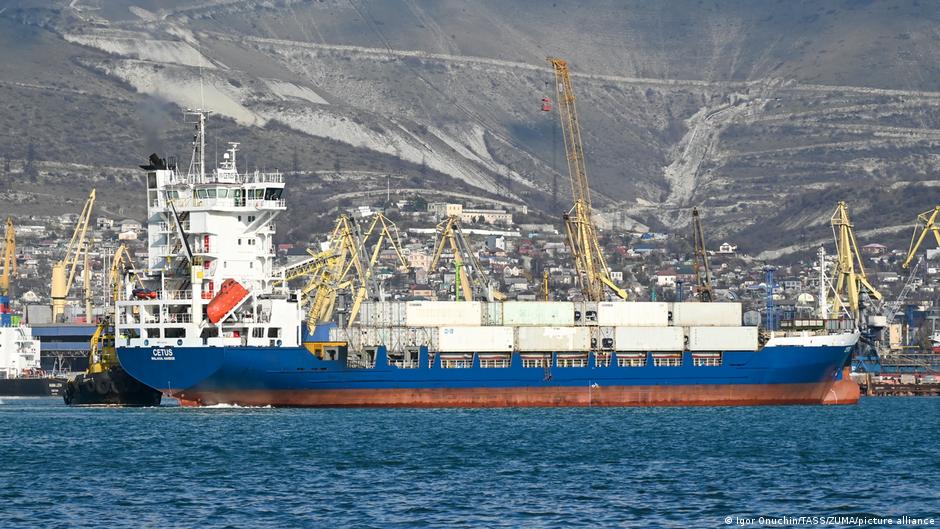
A drone attack on Novorossiysk reportedly caused fires at a fuel oil terminal and residential building, renewing focus on trade and payment risks.

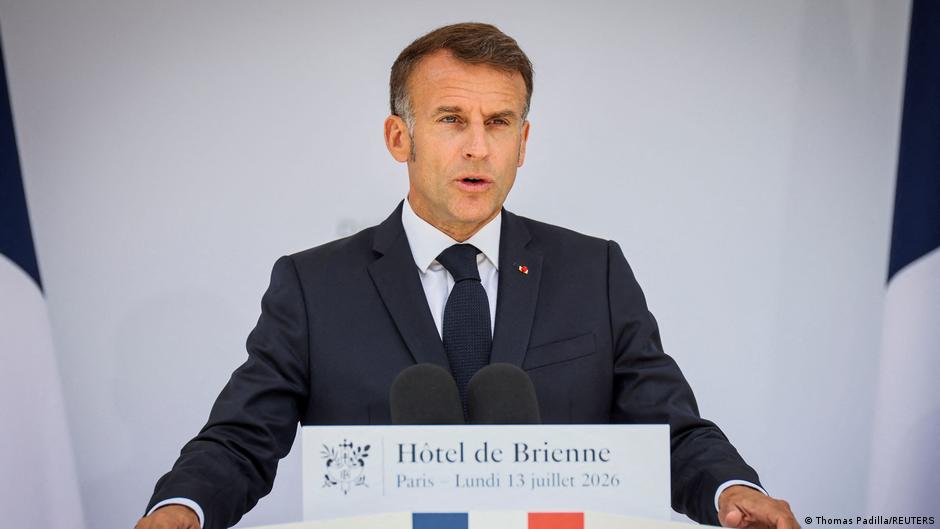
Macron is pushing for an EU-wide social media ban for under-15s after France’s top constitutional body blocked a national law.

AfD won 43.8% in Saxony-Anhalt, but coalition uncertainty raises policy risk around energy, sanctions and the digital economy.

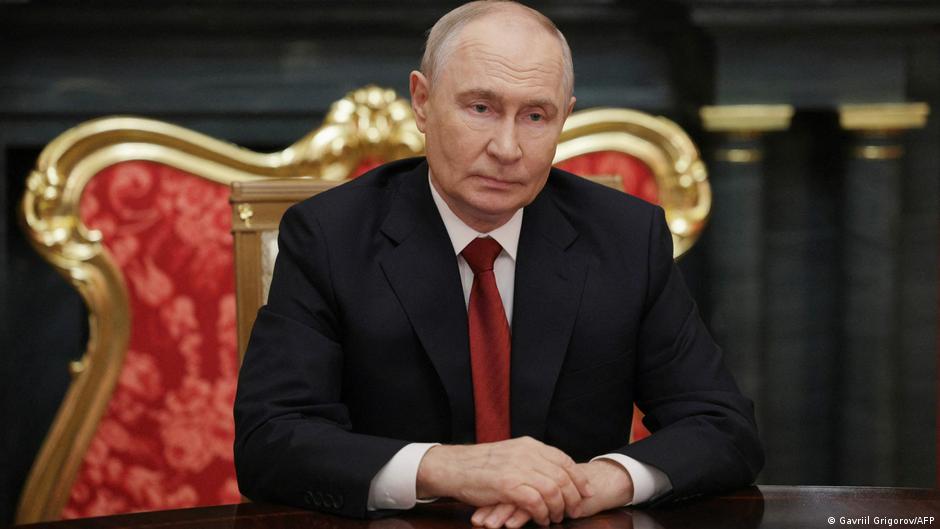
Putin backed using medically unfit volunteers for rear drone defense, signaling new pressure on Russia’s manpower, infrastructure and tech sectors.

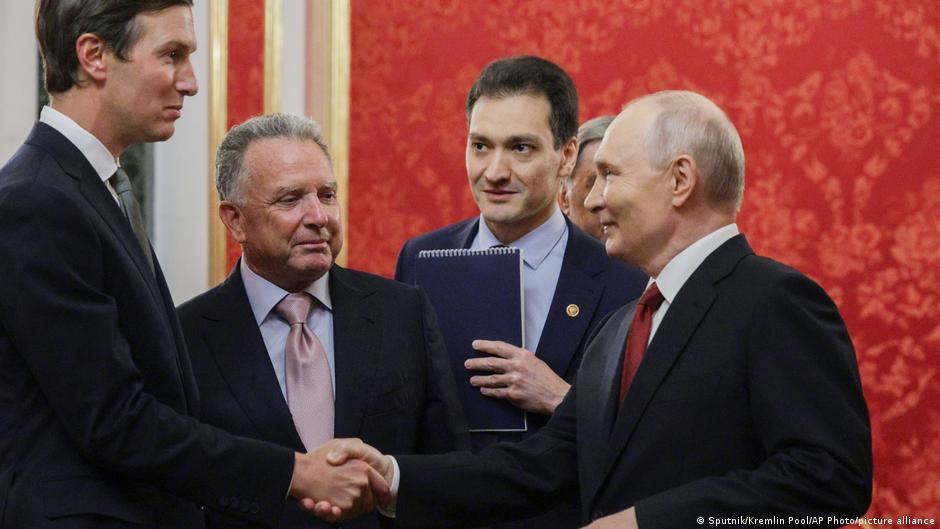
U.S. envoys discussed Ukraine peace plans with Putin and are heading to Kyiv, with fintech markets watching sanctions, payments and cyber risk.

Volkswagen approved a vast restructuring plan with 50,000 job cuts, major model reductions and a 135 billion euro investment program through 2031.

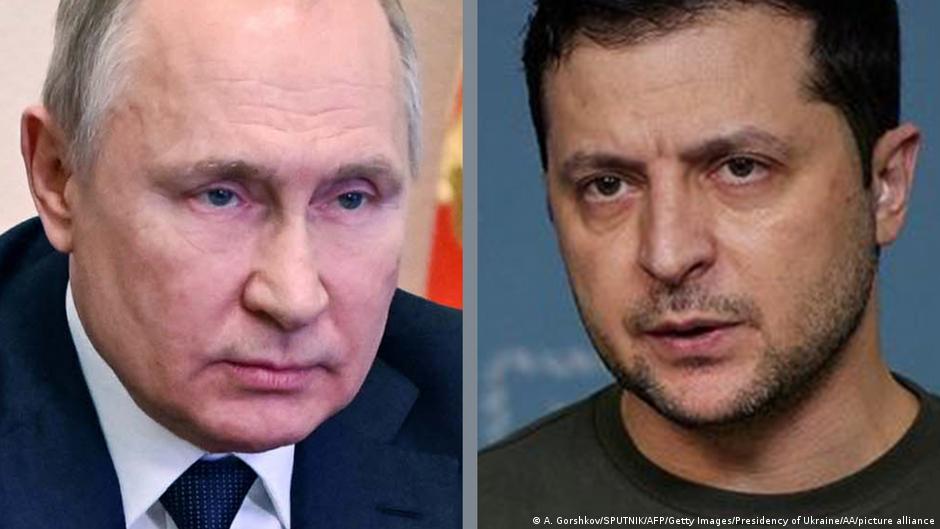
Putin said peace through diplomacy is possible, while Zelensky said U.S. envoys will visit Kyiv and Moscow to discuss a possible agreement.

Uzbekistan’s decade of business reforms is reshaping licensing, taxes and digital state services, with direct implications for payments and formal-sector growth.

Putin told Pashinyan that Armenia’s move toward EU membership would amount to leaving the EEU, escalating a dispute with implications for trade and finance.

Reuters reports the U.S. told Russia at the G20 not to expect sanctions relief before the war in Ukraine ends, extending pressure across finance and payments.

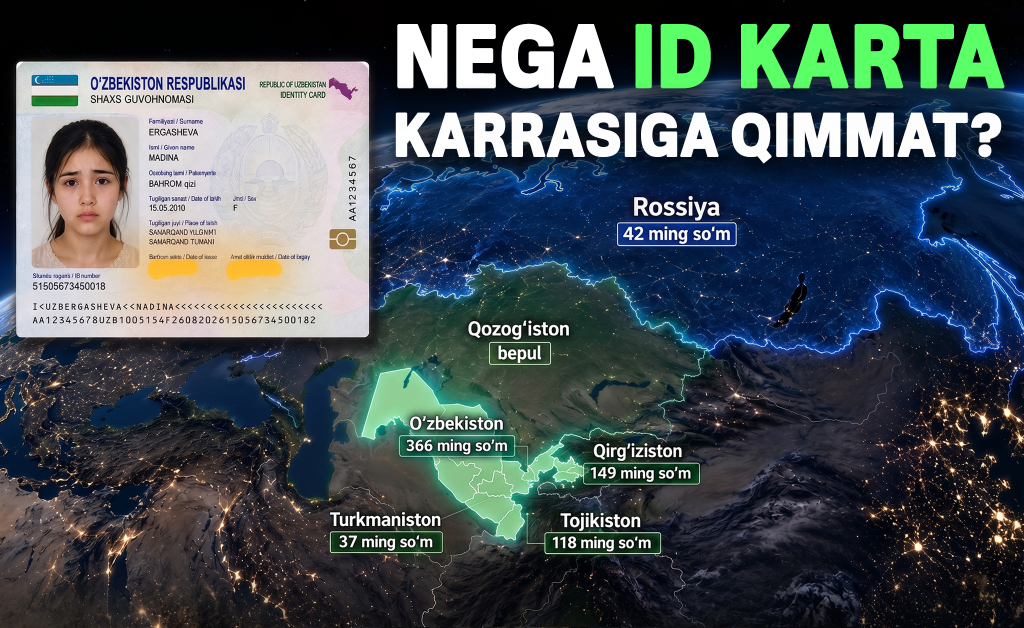
A debate over the cost of a first ID card in Uzbekistan is focusing attention on affordability, digital access and how regional peers price core identity documents.

Latvia has published a list of 170 companies maintaining trade with Russia and Belarus despite the Ukraine war, impacting transparency and digital economy sectors.

Qatar denies holding Iranian pilots after airspace violation amid Middle East conflict, emphasizing adherence to international law and ongoing diplomatic efforts.

Russian missile and drone strikes on Kyiv and Kryvyi Rih cause casualties and threaten the stability of Ukraine’s digital economy and fintech infrastructure.

Reported executions of Ukrainian POWs highlight the critical role of secure digital evidence and cybersecurity in documenting war crimes and supporting international justice.

A powerful 7.4 magnitude earthquake in Colombia has caused over 130 deaths and widespread infrastructure damage, posing significant challenges to the country's digital economy and fintech sector.

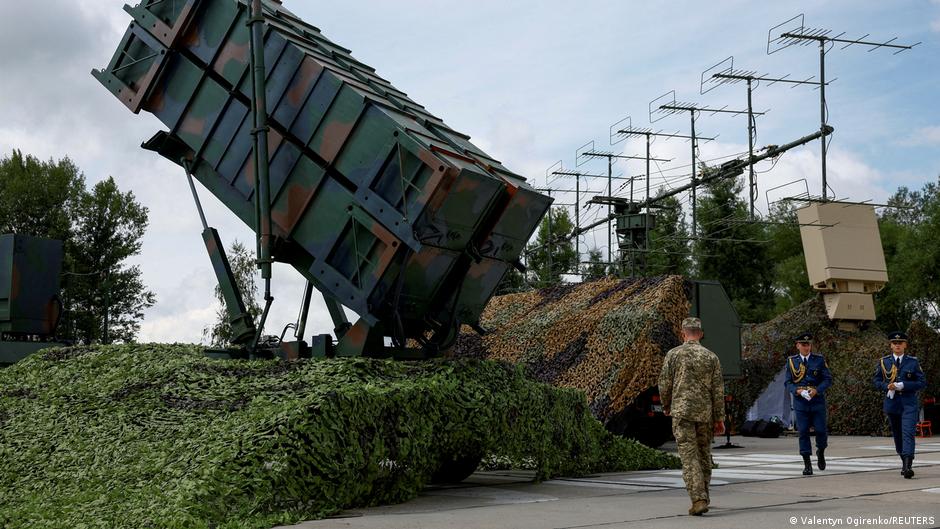
US defense firms Raytheon and Lockheed Martin warn that licensing Patriot missile technology to Ukraine could lead to enhanced missile production and potential intellectual property risks.

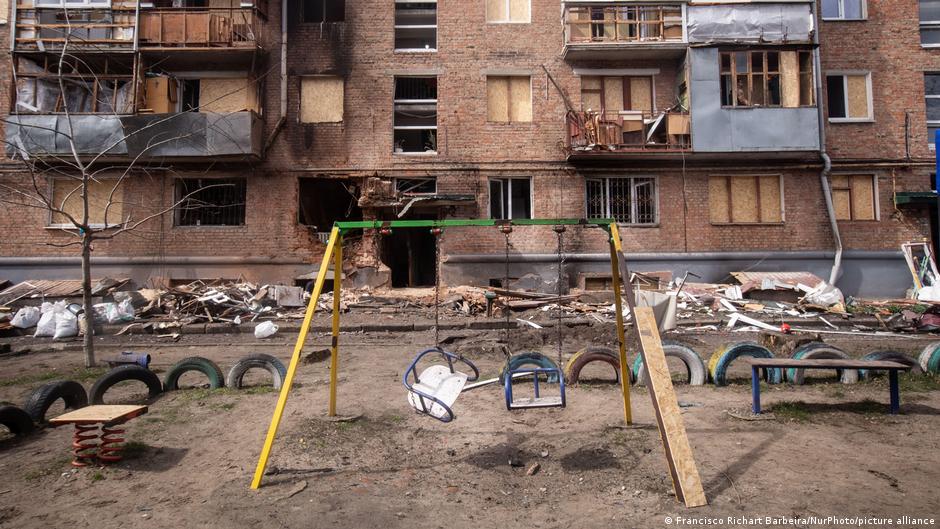
Russian military strikes in Ukraine damage civilian and digital infrastructure, raising concerns over fintech security and the stability of digital banking services amid ongoing conflict.

Lieutenant General Igor Yerusalimov’s secret burial after the Moscow restaurant explosion highlights growing security threats to Russian military leaders amid ongoing conflict.

Vladimir Osechkin suspends Gulagu.net citing global human rights crisis and security threats from Russian agents amid growing repression and digital surveillance.

US-Iran talks resume August 3 with postponed strikes, impacting fintech, digital banking, and cybersecurity amid ongoing regional tensions.

Russian ballistic missile strikes on Kyiv resulted in at least nine deaths and damage to critical urban infrastructure, raising concerns for digital economy resilience and fintech operations.

The US announces a historic agreement with Hamas for full disarmament, marking a key step toward peace and potential growth in the region's digital economy and fintech sectors.

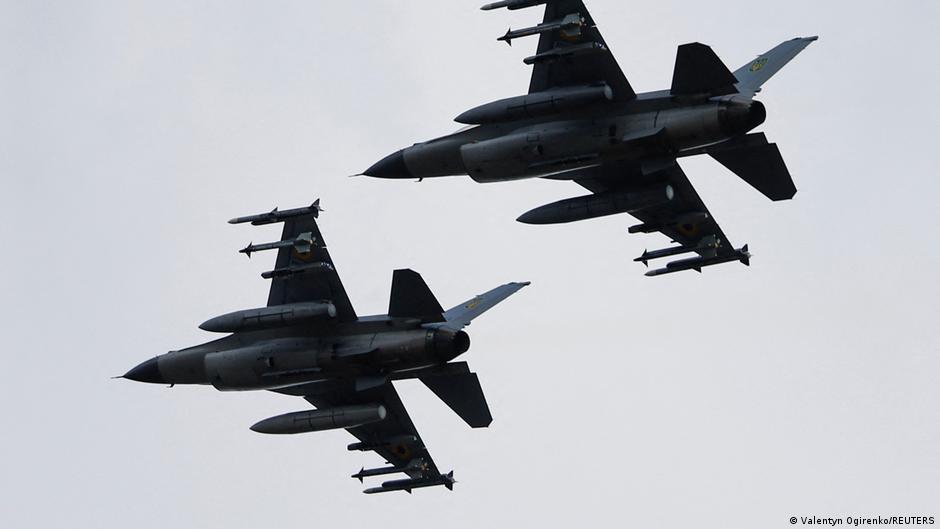
Ukraine has lost its fourth F-16 fighter jet amid the conflict, raising concerns about operational risks and the technological challenges of integrating advanced Western military aircraft.

The US Senate advances a bill imposing heavy tariffs on Russia, with broad implications for fintech, digital banking, and sanctions compliance.

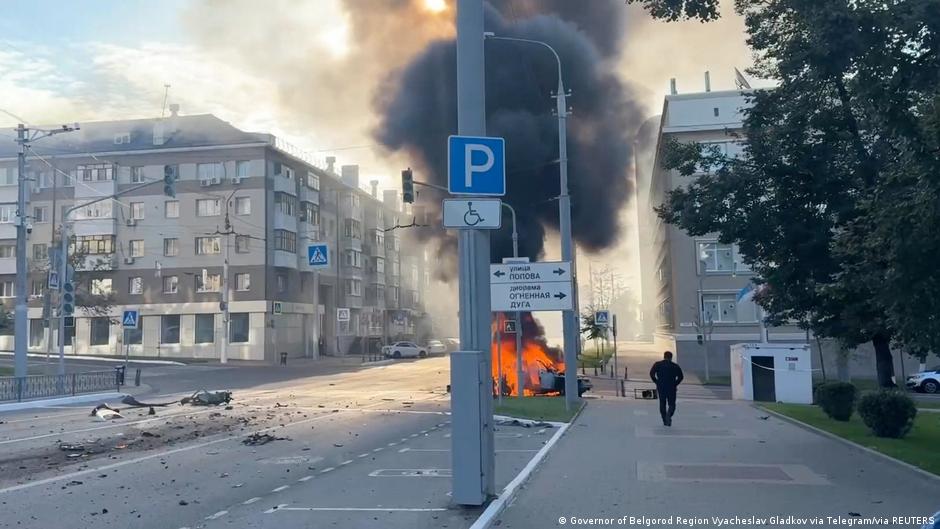
Recent drone attacks in Russian and Ukrainian regions expose vulnerabilities in digital infrastructure, emphasizing cybersecurity and fintech challenges amid conflict.

Ukraine's president warns Russia plans expanded mobilization with 30,000 North Korean troops and missile support, raising regional security and fintech risk concerns.

The EU has summoned the Russian envoy after missile strikes on a Kyiv arms exhibition and Latvian consulate, highlighting growing concerns over drone warfare and digital defense technologies.

US forces continue 11th night of strikes on Iran, targeting military assets in a bid to secure Strait of Hormuz shipping lanes amid rising regional tensions.

US military strikes on Iran enter tenth day, targeting missile sites and air defenses, escalating regional tensions with implications for global trade, fintech, and cybersecurity.

The US has imposed 50% tariffs on Canadian imports, affecting cross-border trade and potentially disrupting fintech, digital payments, and e-commerce between the two countries.

US military deaths in the Iran conflict have reached 17, intensifying geopolitical risks that impact fintech, digital payments, crypto markets, and cybersecurity worldwide.

Russian forces struck Ukrainian cities Zaporizhzhia and Sumy with guided aerial bombs, causing civilian deaths, injuries, and significant damage to residential and industrial infrastructure, with implications for regional fintech and digital economy stability.

Darlin Graham Norton was appointed to fill her late brother Lindsey Graham’s Senate seat, securing a fragile Republican majority and influencing fintech and digital economy policies.

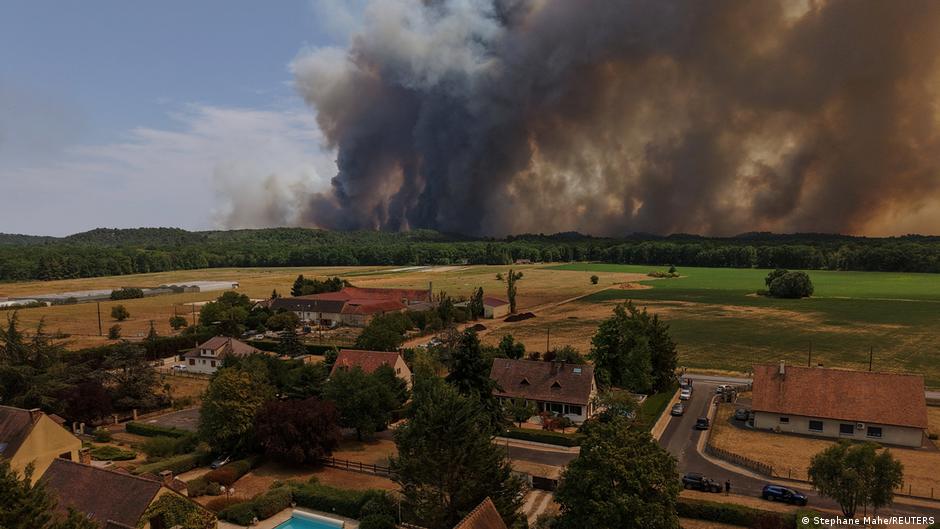
A massive wildfire near Paris scorched over 1,300 hectares, prompting arrests for suspected arson and raising concerns about climate-driven risks to infrastructure and the digital economy.

Ann Widdecombe, former UK MP and Reform UK speaker, was murdered; police do not suspect political motives. The case raises concerns about political security and digital safety.

June 2026 saw the highest civilian casualties in Ukraine since the Russian invasion, highlighting escalating risks to the country’s digital economy and fintech infrastructure amid conflict.
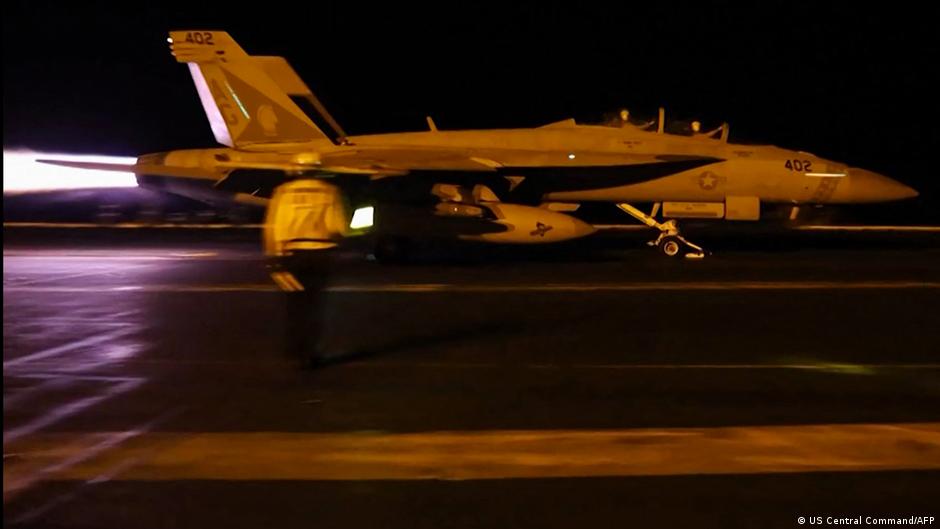
The death of Iran’s Supreme Leader Ali Khamenei and subsequent regional tensions pose risks to digital banking, payments, and cybersecurity in the Middle East’s fintech sector.

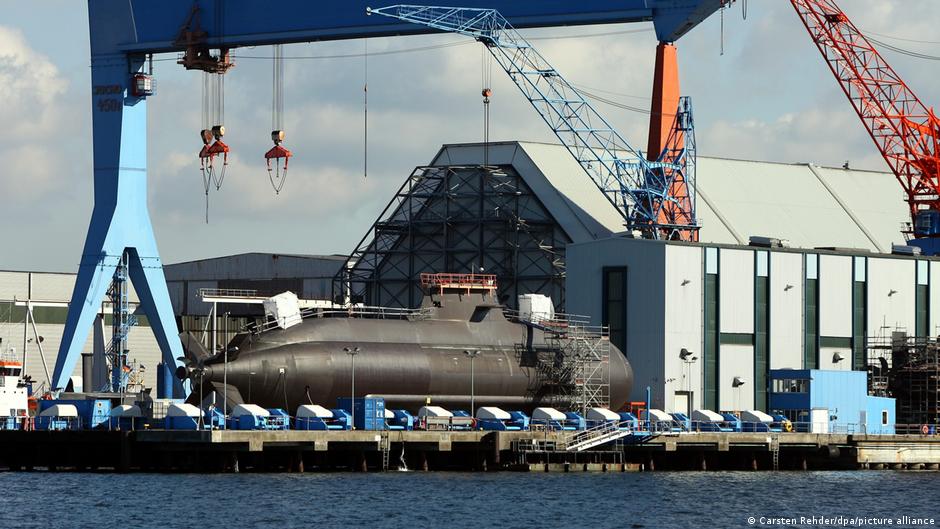
Canada's contract with Germany's TKMS for 12 advanced non-nuclear submarines signals strengthened transatlantic defense cooperation and major impacts on defense tech and digital security.

Russian drone and air strikes on Sumy kill 4 and injure 27, threatening the city's digital infrastructure and fintech ecosystem amid ongoing conflict.

Russian strikes on multiple Ukrainian regions damage critical infrastructure, affecting logistics, digital banking, and fintech services amid ongoing conflict.

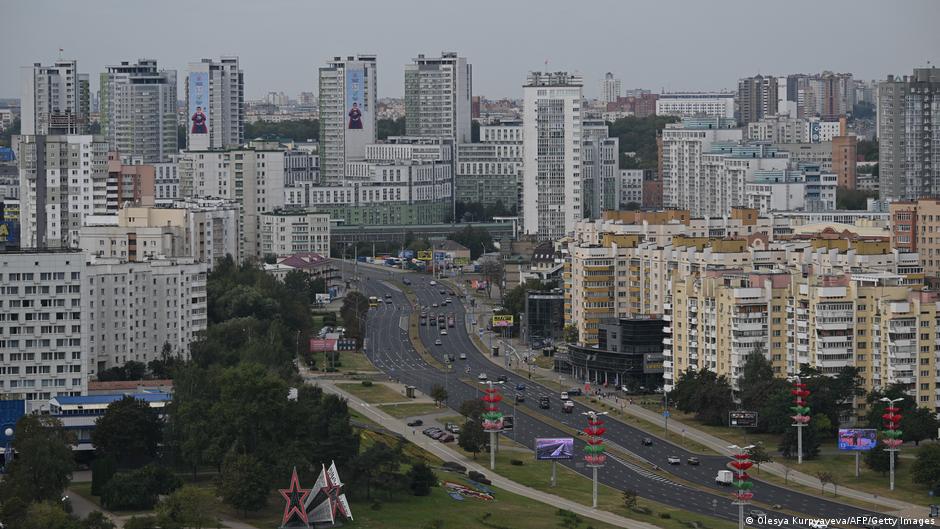
Belarus warns citizens against travel to Russia due to drone attacks near the border, raising safety concerns and impacting digital economy trends in fintech and cybersecurity.

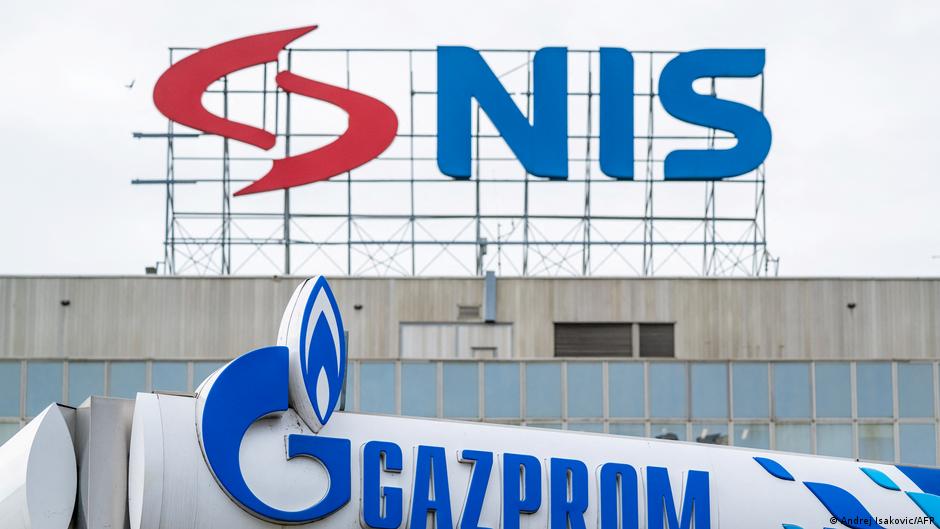
The US has once again extended a 30-day license allowing Serbian oil company NIS, controlled by Gazprom, to operate under sanctions while the sale of Gazprom’s stake faces delays.

The EU cuts duty-free steel import quota by nearly half and imposes a 50% tariff on excess imports to protect domestic industry from cheap Chinese steel.