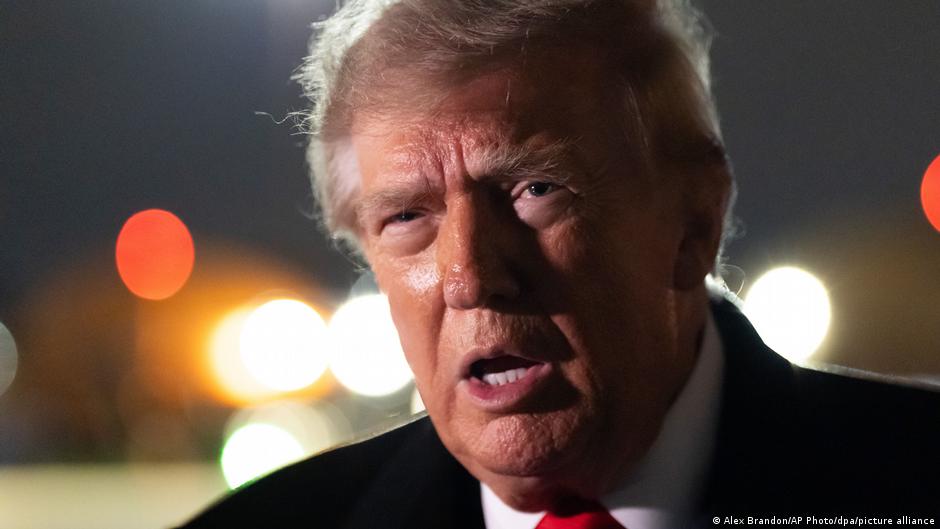
Trump Jr. Repaid Russian Businessman for Wedding Event Costs, Kremlev Says
The reported reimbursement has drawn scrutiny in Washington over political influence, foreign-linked financing and reputational risk.
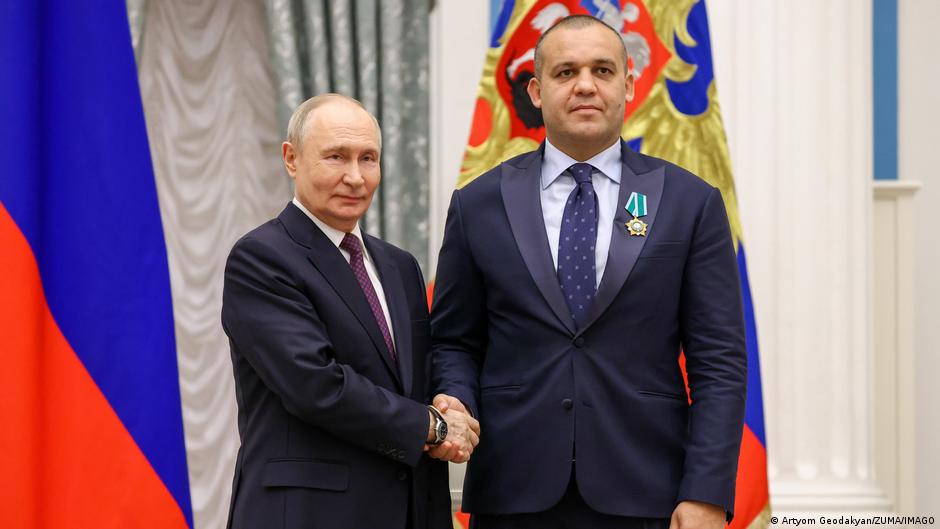
Russian businessman Umar Kremlev said Donald Trump Jr. reimbursed him for money spent on organizing part of Trump Jr.'s wedding celebrations, adding a new layer to a story already being examined through the lens of political influence, financial transparency and reputational risk.
Kremlev, who is close to Vladimir Putin and heads the International Boxing Association, made the statement on Tuesday, October 6, at a press conference in Istanbul. His remarks followed earlier comments by the U.S. president, who had also said his son returned money connected to the event.
The matter has become politically sensitive because it combines private family celebrations, foreign-linked business interests and questions about whether financial transactions involving relatives of a sitting president should face closer scrutiny. For the financial sector, the episode underscores how reputational risk, source-of-funds questions and politically exposed persons can quickly become part of a broader compliance conversation.
“As far as whether he returned the expenses or not, yes, he returned them,” Kremlev said, according to Russia’s TASS news agency.
Kremlev said he did not attend the wedding itself and described the event as a shared gathering rather than a special gift. He said he was puzzled by the reimbursement, arguing that many people host events without later billing guests for the cost. He also said he had friendly relations with Donald Trump Jr. and had “never asked him or anyone else” to help him.
Payments, scrutiny and politically exposed networks
The controversy began after ProPublica published an investigation on September 14 stating that Kremlev had paid part of the expenses for wedding-related celebrations for Donald Trump Jr. in the Bahamas. The report placed the transaction in a politically charged setting, given Kremlev’s proximity to Russian power structures and his role as head of the IBA.
For banks, payment companies and compliance departments, such cases are not only political stories. They illustrate how private payments connected to prominent public families can create questions about beneficial intent, disclosure, foreign influence and the movement of money across jurisdictions. Even where a reimbursement is made, the timing, purpose and documentation of the transaction can become central to public and regulatory interpretation.
On September 18, President Donald Trump confirmed that his son had returned money to Kremlev. Speaking with journalists, Trump said, “As I understand it, he paid him back,” and described such an arrangement as normal when a friend pays for a wedding celebration. He also said he considered it acceptable for a businessman close to Russian authorities to help finance events linked to his son.
Trump separately told Axios that he had “no idea who Umar is,” had never heard of him, and that Kremlev had not paid for the wedding of Don and Bettina, which he said took place at a different location and on a different day than the party in question. According to the article, Trump described the event as an after-party held in their honor and said he did not attend.
The distinction between a wedding, an after-party and a broader celebration may matter politically and legally. In financial-risk terms, however, the central issue is often more basic: who paid, why the payment was made, whether it was reimbursed, and whether any party stood to gain access, influence or goodwill from the transaction.
Digital finance context
The story lands in an environment where payments, digital banking and crypto platforms face heightened expectations around politically exposed persons and cross-border flows. While the source article does not identify the payment rails used or suggest that cryptocurrency was involved, the case reflects the kind of reputational exposure that financial technology firms increasingly monitor when prominent individuals and foreign-connected businessmen are part of the same transaction chain.
Digital banks and payment processors have invested heavily in compliance systems designed to flag sanctions exposure, unusual transaction patterns and links to politically sensitive figures. Public controversies of this kind can increase pressure on firms to show that their monitoring systems can identify not just illegal activity, but also transactions likely to attract regulatory or congressional attention.
Cybersecurity is also part of the broader risk environment. High-profile financial relationships involving political families can become targets for leaks, data theft, disinformation campaigns or document-based investigations. Even when the underlying transaction is private, the surrounding information trail can become a public asset in political conflict.
Tech stocks and fintech valuations are not directly tied to this episode, but investors increasingly price governance and compliance risk into companies that process payments, custody assets or provide digital identity services. Political controversies involving cross-border money flows can reinforce demand for stronger know-your-customer tools, transaction monitoring, sanctions screening and audit trails.
Axios reported that a senior Democrat on the U.S. House Oversight Committee may investigate reports that Kremlev paid for Trump Jr.’s celebrations. Representative Robert Garcia of California sent a letter to White House Chief of Staff Susie Wiles saying Democrats on the committee were investigating numerous ways in which the Trump family had allegedly tried to enrich itself by using proximity to the president.
Axios also wrote that if Democrats win control of the House of Representatives in the upcoming November 3 midterm elections, Garcia would likely become the lead congressional investigator. The outlet said the inquiry offered a clear indication of the direction he would take in that role.
For now, the factual record presented by the participants is narrow: Kremlev says Trump Jr. reimbursed him; President Trump says his son paid the money back; ProPublica reported that Kremlev covered part of the wedding-related costs; and Democratic lawmakers have signaled interest in investigating the matter. The unresolved question is whether the reimbursement closes the issue politically, or whether it becomes part of a wider examination of financial relationships around the president’s family.