Trump Expects New Iran Talks as Hormuz Standoff Tests Digital Markets
Washington and Tehran appear set for another round of contacts as the Hormuz dispute keeps pressure on energy flows, risk assets and financial infrastructure.
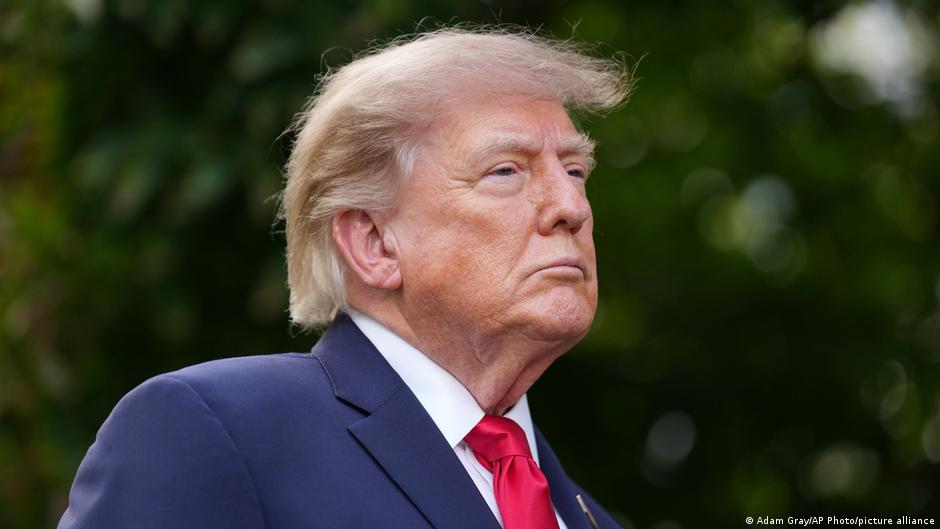
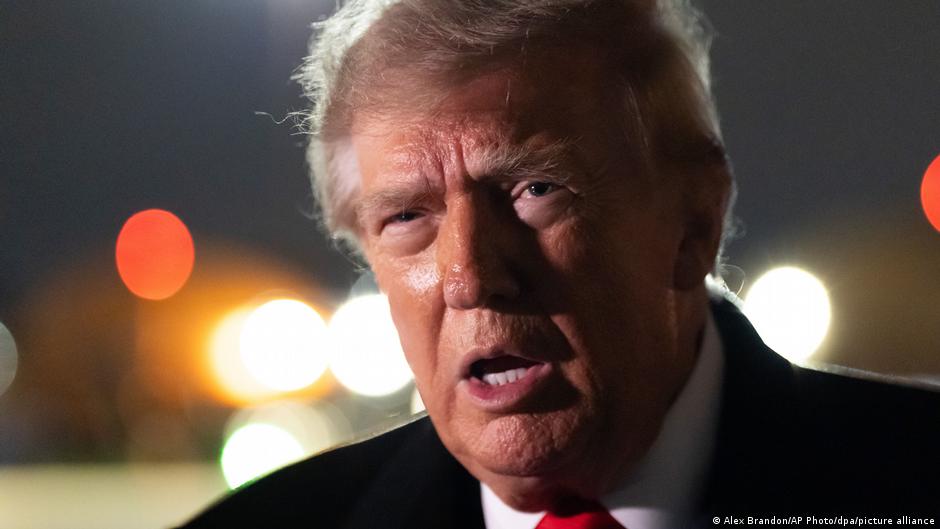
U.S. President Donald Trump expects negotiations with Iran to resume in the coming days, signaling a possible new phase in a standoff that has already drawn in shipping lanes, sanctions policy and global market risk. The president said on Sunday, September 27, in a phone interview with Axios that he expects further talks with Tehran in the coming week, even as he rejected an Iranian proposal for a seven-day plan to reopen the Strait of Hormuz.
The dispute has immediate geopolitical stakes, but for financial markets it also lands in the middle of a wider digital economy stress test. The Strait of Hormuz is a critical corridor for energy flows, and uncertainty around its status can quickly feed into oil prices, inflation expectations, central bank outlooks and risk appetite across equities, crypto and emerging-market assets. For payment networks, digital banks and cybersecurity teams, the confrontation raises the prospect of sanctions volatility, shipping disruptions and heightened threat activity around financial infrastructure.
“I expect new talks with Iran,” Trump said, according to Axios, adding that Tehran “wants to make a deal, but it is not the deal I want to make.”
Trump said the United States might have accepted such terms a year ago, but argued that Iran had overestimated its position. Asked whether he was considering renewed strikes on Iran, the U.S. president replied that he “always thinks about it.” The remark keeps military escalation on the table at a moment when investors are trying to price the difference between a temporary maritime disruption and a broader regional conflict.
Hormuz Risk Meets Digital Finance
Two regional sources cited by Axios, both speaking anonymously, also confirmed Trump’s comments about a resumption of contacts between the two countries. They expect Qatari mediators, who were previously involved in meetings between representatives of Washington and Tehran, to hold meetings as early as September 28 with Iranian Foreign Minister Abbas Araghchi and U.S. presidential special envoy Steve Witkoff.
The likely involvement of Qatar matters for markets because mediation could reduce the probability of sudden escalation, but the two sides remain far apart on the structure of any deal. Axios reported that Tehran wants any negotiations to focus on the full reopening of the Strait of Hormuz and the lifting of the U.S. naval blockade. Washington, by contrast, is pressing for a broader agreement that would include concessions on Iran’s nuclear program.
That mismatch is important for the digital economy because sanctions and maritime security are no longer separate from payments architecture. Banks, card networks, fintech platforms and crypto exchanges all face compliance exposure when U.S. restrictions shift or when counterparties tied to sanctioned jurisdictions seek alternative channels. Any thaw could change the operating assumptions for trade finance and cross-border payments, while renewed confrontation could intensify monitoring demands for digital transactions linked to shipping, oil exports and regional intermediaries.
Several days earlier, Araghchi said Tehran had proposed restoring vessel traffic through the Strait of Hormuz within a week if certain conditions were met, alongside a return to negotiations over a long-term settlement of the conflict. Media reports listed those conditions as an end to fighting on all fronts, including Lebanon; the lifting of the blockade on Iranian ports; the unfreezing of Tehran’s assets; and the removal of restrictions on Iranian oil exports.
On September 26, Trump said he had rejected Iran’s offer. He said Tehran wanted a deal under which the strait would open immediately because it was suffering “crushing losses.” Trump added that Iran wanted to make a deal and that he liked making deals as well, but said this particular deal would be unacceptable.
Markets Watch Sanctions, Oil and Cyber Risk
The Wall Street Journal had earlier reported, citing unnamed sources, that Trump had decided to reject Iran’s proposal. According to the newspaper, the U.S. president also told aides that he intended to resume bombing Iran after the November midterm elections. The Journal’s sources said Trump viewed a new military operation as “highly likely” because he was skeptical that Tehran would meet his demand for a complete renunciation of its nuclear program.
For technology and financial stocks, the central issue is how long the uncertainty lasts and whether it spills into oil prices, insurance costs, logistics platforms and dollar funding channels. A prolonged Hormuz disruption could lift energy costs and complicate the outlook for rate-sensitive tech shares. It could also increase volatility in crypto markets, where geopolitical shocks often trigger both risk-off selling and renewed interest in assets marketed as alternatives to traditional finance.
Digital banks and payment companies may face a more operational kind of pressure. If sanctions rules tighten or enforcement becomes more aggressive, compliance teams would need to screen transactions with greater urgency, especially around trade finance, commodities and cross-border settlement. The possibility of asset unfreezing, oil export restrictions being removed, or port blockades being lifted would also require rapid updates to internal controls if any agreement eventually materializes.
Cybersecurity is another concern. Regional conflicts have often coincided with cyber operations against government, energy and financial targets. The source article does not report any specific cyber incident tied to the latest Iran talks, but the combination of military threats, sanctions pressure and energy chokepoints creates conditions in which financial institutions and technology providers would typically review resilience plans, access controls and third-party exposure.
The next signal may come from the expected Qatari-mediated contacts with Araghchi and Witkoff. For markets, the question is not only whether the Strait of Hormuz reopens, but whether any deal is narrow and maritime-focused or broad enough to address Washington’s demands over Iran’s nuclear program. Until that gap narrows, fintech firms, crypto platforms, digital banks and tech investors remain exposed to a geopolitical risk that can move quickly from diplomacy to balance sheets.