US Military Strikes on Iran Escalate Risks to Gulf Shipping and Regional Stability
American retaliatory attacks target Iranian air defenses and naval assets amid rising tensions over Gulf tanker incidents and renewed sanctions.
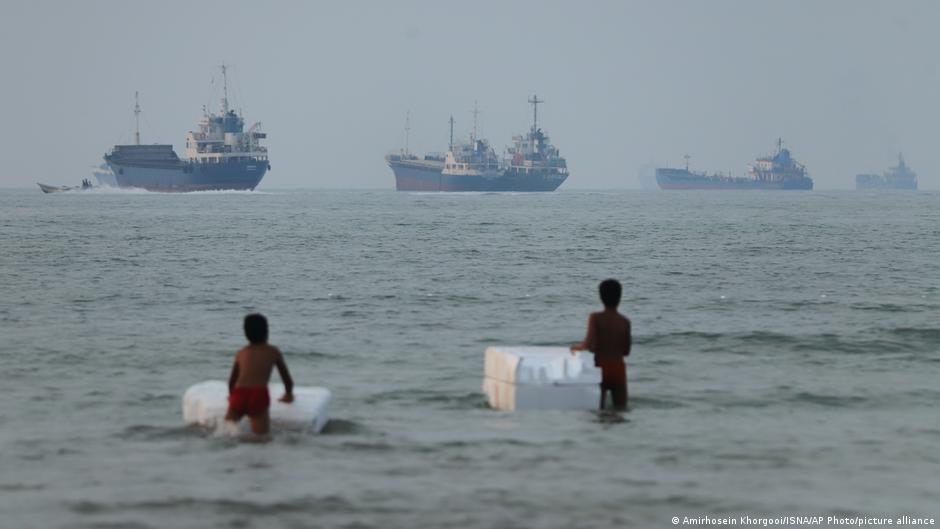
The United States military launched a series of significant strikes against Iranian targets in response to Tehran's recent attacks on three commercial tankers in the strategic Strait of Hormuz, escalating tensions in a critical global energy transit corridor. According to U.S. Central Command (CENTCOM), these operations aimed to inflict substantial damage on Iran’s military infrastructure.
Impact on Gulf Maritime Security and Trade Routes
The attacks come after a wave of assaults on commercial vessels, including one tanker lightly damaged by a drone strike and another Qatari liquefied natural gas tanker severely damaged by an unidentified projectile, according to the UK Maritime Trade Operations center (UKMTO). The Strait of Hormuz remains one of the world's most important chokepoints, with about a fifth of the world's oil passing through it. Disruptions here have direct ramifications for global energy markets and maritime security.
"The aggression demonstrated by Iran was unjustified, dangerous, and a clear violation of the ceasefire agreement," CENTCOM stated on social media, highlighting the severity of Tehran's actions.
Targets of the U.S. strikes reportedly included Iranian air defense systems, command and control networks, coastal radar installations, anti-ship missile defenses, and more than 60 vessels operated by the Islamic Revolutionary Guard Corps (IRGC). This focused campaign aims to degrade Iran’s maritime capabilities and deter further attacks on commercial shipping.
Simultaneously, Washington reimposed sanctions on Iranian oil exports, reversing a recent easing of restrictions. This move is significant for global oil markets and adds economic pressure on Tehran, potentially influencing its maritime policies.
From the Iranian perspective, state media justified the attack on the LNG tanker as a response to the vessel ignoring prior warnings, emphasizing that only Tehran-approved navigation routes through the Strait are considered secure. Iranian Deputy Foreign Minister Kazem Gharibabadi called the U.S. actions a "serious violation" of the existing ceasefire, promising decisive responses to safeguard national interests.
Geopolitical and Economic Ramifications for Fintech and Digital Economy
The escalation in the Gulf has significant implications beyond traditional military and geopolitical spheres, affecting global finance, energy markets, and digital economies. The Strait of Hormuz is a vital artery for oil exports, which directly influences global commodity prices, currency valuations, and investment flows—key factors for fintech companies, digital payment platforms, and energy sector investors.
Renewed U.S. sanctions on Iranian oil restrict the flow of crude into global markets, prompting price volatility that impacts trading algorithms, crypto-backed commodities derivatives, and cross-border payment systems. Heightened regional instability also exacerbates cybersecurity risks for maritime logistics companies and financial institutions engaged in trading and financing tanker operations.
Moreover, the uncertainty surrounding shipping lanes and sanctions compliance increases operational costs for digital banking platforms facilitating international trade finance. Tech stocks in the energy and defense sectors may see increased volatility due to unpredictable geopolitical dynamics.
Efforts by France, the UK, and Gulf Cooperation Council countries to establish a multinational naval mission to secure Gulf shipping lanes underscore the importance of regional stability for the global digital economy. However, Iran's refusal to participate diminishes prospects for a swift de-escalation, maintaining a state of flux in this critical trade corridor.
As Washington and Tehran remain locked in a standoff, with ongoing negotiations stalled over nuclear programs, military presence, and transit fees through the Strait, fintech stakeholders should closely monitor developments. Maritime security directly intersects with digital payment flows, commodity trading, and cybersecurity frameworks integral to modern financial infrastructures.