Ryanair to Close Berlin Base Amid Rising Aviation Taxes and Airport Fees in Germany
Ryanair plans to reduce flights to Berlin by 50% and relocate aircraft to lower-cost EU airports due to increased operational costs in Germany.
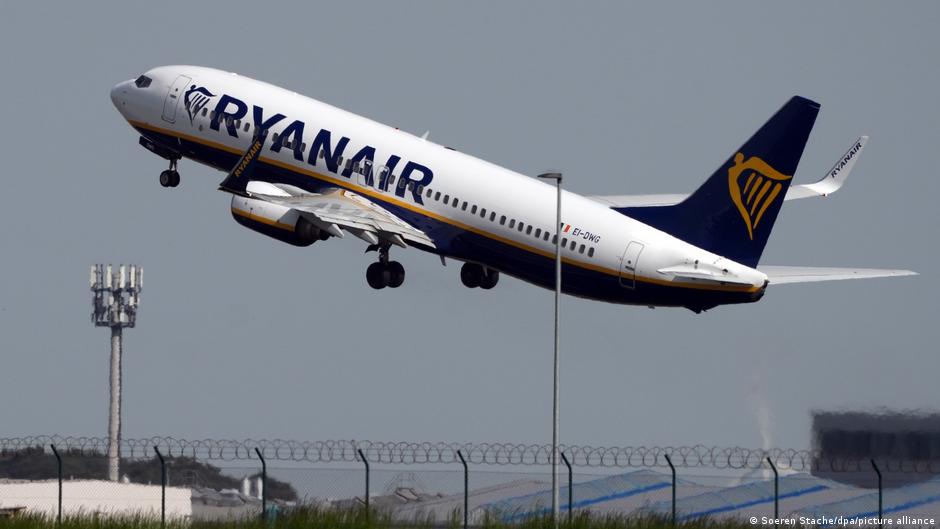
Ryanair, the prominent Irish low-cost airline, has announced the closure of its base at Berlin Brandenburg Airport, withdrawing all seven aircraft and cutting flights to the German capital by half. The move will decrease annual passenger traffic from 4.5 million to approximately 2.2 million. The airline cited Germany’s escalating aviation taxes and airport fees as primary reasons for this strategic repositioning.
Impact of Rising Operational Costs on Ryanair's Strategy
According to Ryanair's official statement released on April 24, 2026, the Berlin base will shut down by October 24, 2026. The airline plans to redeploy its fleet to airports in countries such as Sweden, Slovakia, Albania, and Italy, which have recently abolished aviation taxes, providing a more cost-effective environment for budget carriers.
Ryanair criticized Germany’s aviation policies, describing them as detrimental to its competitive edge. Since 2019, aviation taxes have more than doubled—from €7.30 to €15.50 per passenger. Additionally, security fees have doubled from €10 in 2024 to €20 per passenger expected by 2028, while air traffic control charges increased from €1 to €3.30 per passenger. These growing fees have contributed to a 50% rise in airport charges since the onset of the COVID-19 pandemic, despite Berlin’s passenger numbers declining by 30% from 36 million in 2019 to 26 million in 2025.
"The German aviation industry is in crisis. The government acknowledges its lack of competitiveness but has no strategy to reduce aviation taxes or high airport fees," said Ryanair CEO Eddie Wilson.
Ryanair's CEO Eddie Wilson emphasized that Germany’s high taxes and fees undermine the budget airline’s ability to operate profitably. He also noted that since 2019, Ryanair has closed bases in Frankfurt, Düsseldorf, and Stuttgart and discontinued all flights to Dresden, Leipzig, and Dortmund.
In response, Berlin Brandenburg Airport stated that there are no planned increases in fees as claimed by Ryanair and called the airline’s decision surprising. Negotiations between the airport and Ryanair are currently underway.
From a workforce perspective, Ryanair has committed to consulting with staff promptly. Flight crew members affected by the Berlin closure will be offered positions within Ryanair’s broader European network as the airline accelerates passenger growth and employment opportunities elsewhere.
Broader Implications for the European Low-Cost Airline Market and Digital Economy
The closure of Ryanair’s Berlin base highlights the growing financial pressures on budget airlines operating within heavily regulated environments that impose significant tax and fee burdens. This situation has implications for the digital economy and fintech sectors connected to air travel, including payment processing, ticketing platforms, and travel-related cryptocurrencies and blockchain applications.
High operational costs may accelerate the shift of airline operations to digital channels and platforms that optimize cost efficiency. Airlines could increasingly look towards fintech innovations to streamline payments and reduce transaction costs, especially when operating across multiple jurisdictions with varying tax regimes.
Moreover, the reallocation of Ryanair’s assets to other European countries could influence regional digital banking and payment ecosystems. Airports and airlines in lower-cost countries may experience increased demand for advanced digital financial services, cybersecurity measures, and integrated travel payment solutions to handle higher passenger volumes and complex cross-border transactions.
This development also underscores the importance of government policy in shaping the competitive landscape for digital and fintech innovations related to the airline industry. Regulatory frameworks that prioritize balanced taxation and fees could encourage the integration of new technologies that enhance operational efficiency and customer experience.