Disinformation Campaign Targets Ukraine with Fake Art Theft Report Featuring Zelensky
A fabricated BBC report falsely claims a stolen Cézanne painting was found in President Zelensky’s office, revealing ongoing cyber disinformation linked to Russian intelligence.
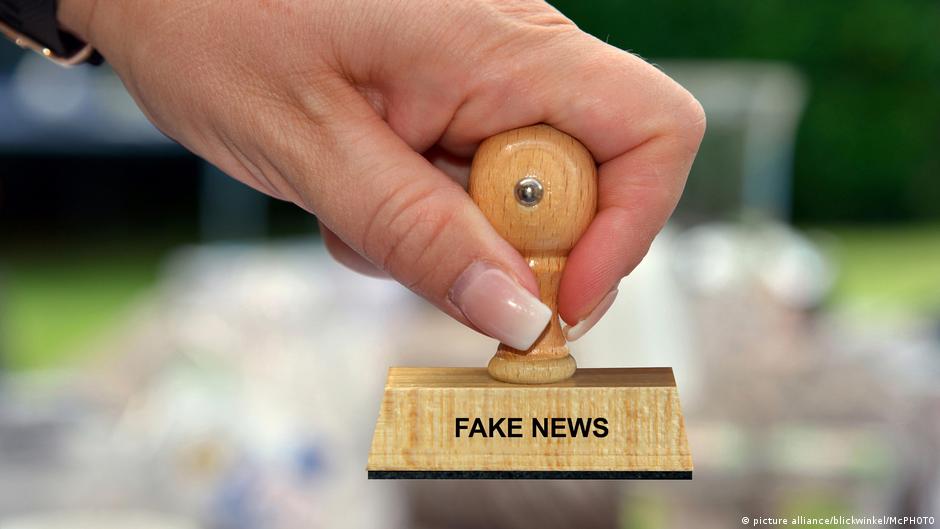
In recent days, a fabricated video purporting to be a BBC News report has circulated online, falsely claiming that the stolen Paul Cézanne painting "Still Life with Cherries" was discovered in the office of Ukrainian President Volodymyr Zelensky. While the video bore the BBC News logo, the corporation has confirmed that no such report exists and labeled the footage as fake.
The disinformation spread rapidly, garnering significant attention on social media platforms. For example, a single Twitter account saw over 400,000 views of the clip within hours. The false narrative further alleged that Zelensky had received the painting from criminal mafia groups, adding a sensationalist twist to the story.
Unmasking the Disinformation Network
Investigations by France 24 and Euronews have identified the origin and nature of this fake content. Analysis reveals that the video is a classic example of misinformation crafted by a disinformation network known as "Storm-1516," which is believed to be linked to Russia's military intelligence agency, the GRU (Main Directorate of the General Staff of the Armed Forces of the Russian Federation).
"The Storm-1516 network has been behind numerous disinformation campaigns targeting France and Western countries over the past three years," according to reports from France 24 and the Gnida Project, which monitors such activities.
Official French authorities, including Viginum—France's agency dedicated to countering foreign interference—have published reports confirming the network's persistent influence operations. Moreover, Storm-1516 has been publicly associated with the GRU and the Moscow-based "Center for Geopolitical Expertise," a group sanctioned by the US Treasury.
Further scrutiny by Euronews connects these deceptive publications to a pro-Kremlin disinformation network known as "Matryoshka," which amplifies false narratives to undermine trust in Ukrainian leadership and Western media.
Implications for Digital Security and Media Trust
This incident underscores the sophisticated use of digital platforms and forged media assets in disinformation campaigns that aim to manipulate public perception. The abuse of trusted media brands like BBC News in fabricated content not only sows confusion but also challenges cybersecurity frameworks and the integrity of digital information ecosystems.
For fintech and digital economy sectors, such disinformation campaigns represent a growing threat vector. Misinformation can destabilize markets, impact tech stock valuations, and erode confidence in digital financial services and payment systems—areas where trust and verified information are paramount.
As digital banking and crypto assets become increasingly integrated into global finance, the manipulation of information through forged media content highlights the urgent need for enhanced cybersecurity measures, media literacy, and regulatory oversight to protect digital economies.
In this context, monitoring disinformation networks and their evolving tactics has become a critical component of safeguarding both national security and economic stability in the digital age.