US Treasury Declines to Extend Sanctions Exemption on Russian and Iranian Oil Shipments
US Treasury Secretary Scott Bessent confirms no further extensions for sanctions exemptions on oil products already at sea.
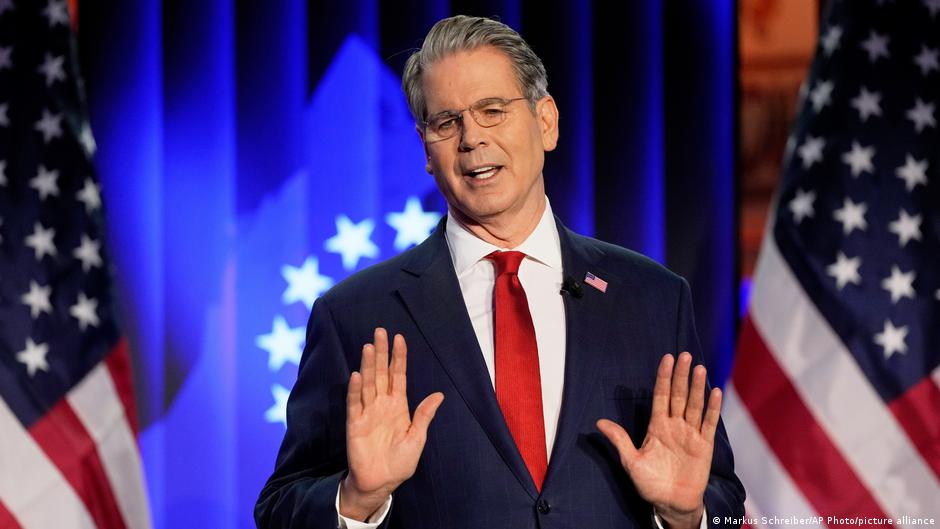
The United States will not renew the temporary exemption from sanctions that permits the purchase of Russian and Iranian oil products already in transit, announced US Treasury Secretary Scott Bessent in an interview published on April 24. The decision marks a firm stance against further easing of restrictions amidst ongoing geopolitical tensions.
Sanctions Policy Shift and Its Economic Implications
Bessent explained that the prior exemption was granted following requests from more than ten of the world's most vulnerable and impoverished countries during meetings of the World Bank Group and the International Monetary Fund in mid-April. "This was done for these vulnerable and poor countries. But I cannot imagine there will be another extension. I think that Russian oil currently at sea is largely exhausted," he said.
Regarding Iran, Bessent stated that continued US pressure is expected to force Tehran to reduce oil production soon. "We think that within the next two to three days they will have to begin cutting production, which will be very detrimental to their oil wells," he added.
This announcement follows the US decision to extend the license permitting sale of Russian oil and products already loaded onto tankers until May 16, reported earlier on April 18. Prior to this, Bessent had indicated that Washington would not further prolong the exemptions.
Context: Energy Markets and Geopolitical Tensions
The initial tolerance for Russian oil exports was introduced on March 13 in response to rising energy prices driven by the conflict in Iran and the blockade of the Strait of Hormuz. The temporary measure was intended as a "narrowly targeted and short-term" approach, not expected to significantly boost Moscow's oil revenues. However, according to The New York Times on April 13, the easing of US sanctions reportedly enabled Russia to earn over $100 million in additional daily oil revenue.
Notably, this temporary relaxation faced criticism from key international figures, including Ukrainian President Volodymyr Zelensky and Ukraine's ambassador to the United States, Olga Stefanishina, reflecting concerns over the broader geopolitical impact.
"This was done for these vulnerable and poor countries. But I cannot imagine there will be another extension," said US Treasury Secretary Scott Bessent.
For the fintech and digital economy sectors, these developments could influence energy market volatility, impacting payment flows and trading platforms dealing with energy commodities. Furthermore, tightening sanctions may affect digital banking systems facilitating cross-border energy payments and could raise cybersecurity considerations as geopolitical risks escalate.
Investors in energy-related tech stocks should monitor these policy shifts closely, as sanctions enforcement and global supply dynamics remain key drivers of market sentiment in the fintech and digital economy arenas.