UK Plans £18 Billion Defense Budget Increase Amid Political Turmoil, Impacting Tech and Security Sectors
Prime Minister Keir Starmer aims to boost defense spending by £18 billion, highlighting national security priorities amidst internal party unrest.
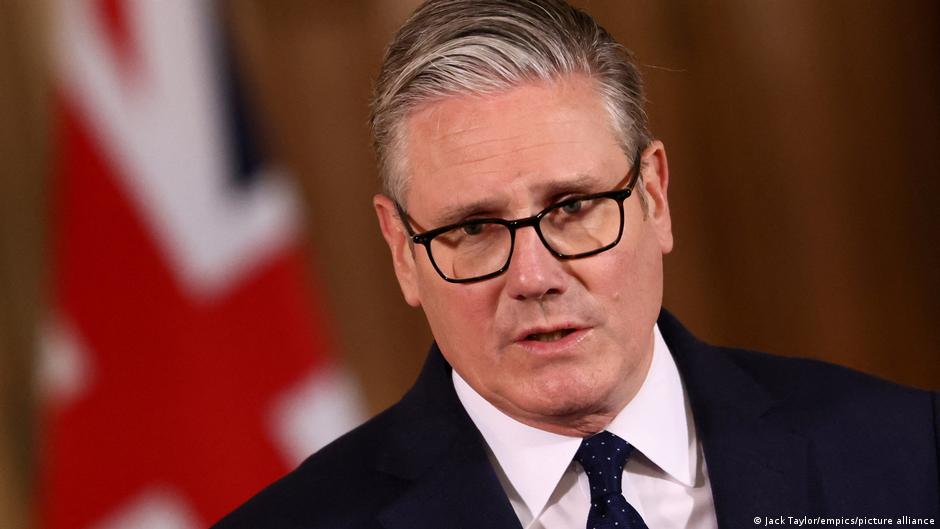
The United Kingdom is preparing to significantly increase its defense budget by £18 billion (approximately €20.6 billion), a move underscoring the government's intent to prioritize national security in an era of global uncertainty. This decision, expected to be announced between May 18 and May 24, comes at a time of notable political turbulence within the ruling Labour Party.
Implications for Fintech, Cybersecurity, and the Digital Economy
While the primary focus of the increased spending is on traditional defense capabilities, the ripple effects are likely to extend deeply into the UK's fintech and digital economy sectors. The infusion of funds is anticipated to bolster cybersecurity initiatives, digital infrastructure, and technology-driven defense solutions, which are increasingly vital in contemporary warfare and national security.
Prime Minister Keir Starmer has emphasized the centrality of defense and security in his policy framework, particularly in response to the ongoing conflicts in Ukraine and tensions involving Iran. The boost in defense expenditure is expected to accelerate investments in areas such as secure digital communications, cyber defense systems, and intelligent surveillance technologies. These developments could stimulate growth within the UK's tech industry, including companies engaged in cybersecurity, cloud computing, and artificial intelligence, potentially attracting investment into tech stocks focused on defense and security.
"The new defense package will be 'entirely manageable' within the national budget," a government source noted, highlighting the administration's commitment to balancing fiscal responsibility with enhanced security.
From a financial technology perspective, the increased defense budget may catalyze advancements in secure payment systems tailored for government and defense contractors, as well as the integration of blockchain and other cryptographic technologies to safeguard sensitive transactions and data exchanges.
Moreover, the government's renewed focus on defense spending is poised to reshape cybersecurity priorities, prompting both public and private sectors to strengthen resilience against cyber threats. This aligns with global trends where defense modernization increasingly incorporates digital and cyber domains, making cybersecurity a vital front in national defense strategy.
The timing of this announcement is politically significant. The Labour Party faces internal dissent, with dozens of MPs calling for Prime Minister Starmer's resignation amid a broader party crisis. The defense budget increase serves both as a reaffirmation of Starmer's leadership and as a strategic response to external security challenges.
According to UK parliamentary data, defense expenditures for the financial year 2025-2026 are projected to reach £62.2 billion, indicating a substantial investment in the country's military and security apparatus.
In summary, the UK's planned defense budget expansion is not only a pivotal political move but also a potential catalyst for innovation and growth in fintech, cybersecurity, and related tech sectors, underscoring the intertwined nature of national security and digital economy advancements.