UN Faces Financial Crisis Amid Delayed US and China Payments Impacting Global Operations
Delayed contributions from the US and China threaten UN’s financial stability, prompting significant budget cuts and operational changes.
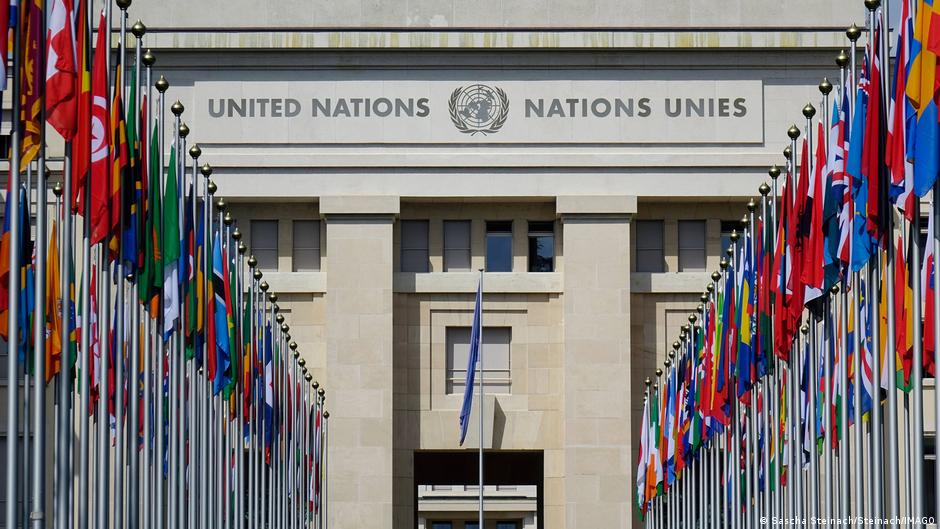
The United Nations (UN) is confronting an unprecedented financial crisis as delayed payments from its two largest contributors, the United States and China, jeopardize the organization's operational capacity and fiscal health. Together, these nations account for 42% of the UN's budget, and their payment delays have pushed the organization to the brink of bankruptcy.
Impact on UN Budget and Operations
According to reports, the US currently owes the UN over $4 billion, while China, despite a recent payment of nearly $850 million during Foreign Minister Wang Yi's visit to the UN headquarters in New York, still has an outstanding balance of approximately $455 million. China, referring to itself as a "de facto main financial sponsor," has pledged to fulfill its commitments, but the timing remains uncertain.
The US has linked its future financial support to austerity measures within the UN, demanding significant cost-cutting strategies. These include reducing staff numbers, limiting business-class flights, and increasing the use of machine translation systems to curb expenses.
Other major donors have also scaled back their funding. Germany and the United Kingdom have reduced allocations to humanitarian programs targeting hunger and disease, while Sweden and the Netherlands have decreased payments, influenced by political shifts toward right-leaning policies.
"The United Nations is in a 'race to bankruptcy,' facing a very real prospect of financial collapse," warned Secretary-General António Guterres in October 2023.
Secretary-General António Guterres issued dire warnings as early as October 2023 about the organization’s fiscal trajectory, highlighting an impending "race to bankruptcy" with funds projected to run out by mid-August 2024. This looming deadline not only threatens ongoing UN activities but also intensifies discussions about Guterres’ succession, as his term concludes at the end of 2026.
Operational Adjustments and Financial Constraints
In response to the financial shortfall, the UN has implemented severe spending cuts, including the closure of select offices and the elimination of a record 3,000 positions within its secretariat. Additional austerity measures include reduced shifts for translators, switching off escalators in office buildings, and postponing planned renovations to the New York headquarters’ facade.
Peacekeeping missions have also been affected, with accelerated troop withdrawals from conflict zones in Africa and significant budget reductions for peace operations. Payments to countries such as Nepal and Bangladesh, which contribute troops to UN missions, have been delayed, putting further strain on blue helmet forces.
Unlike many organizations, the UN cannot take on debt, and its leadership has limited authority to restructure operations or reduce staff, even though salaries constitute 70% of its expenditures. An example of internal resistance to cost-cutting emerged when plans to save $700,000 by closing a secured entrance to the headquarters were reversed after diplomatic protests, with the entrance reopening within two days.
Implications for Fintech and Digital Economy
The financial instability of the UN has broader implications for the global fintech and digital economy sectors. Reduced funding to humanitarian and peacekeeping programs could slow the adoption of digital payment solutions and fintech innovations in developing regions reliant on UN support. Moreover, budget constraints may accelerate the UN’s exploration of cost-effective technologies such as machine translation and automated services, potentially driving investment in AI and cybersecurity within international organizations.
Furthermore, the strained budget and political pressures may impact the UN’s role in global initiatives involving digital currencies and blockchain for transparent aid distribution, highlighting the complex interplay between geopolitics and the evolving digital financial ecosystem.