Uzbekistan Accelerates Privatization of Asakabank Amid Financial Restructuring Efforts
The government aims to streamline Asakabank’s operations and enhance fiscal health through accelerated privatization and asset reallocation.
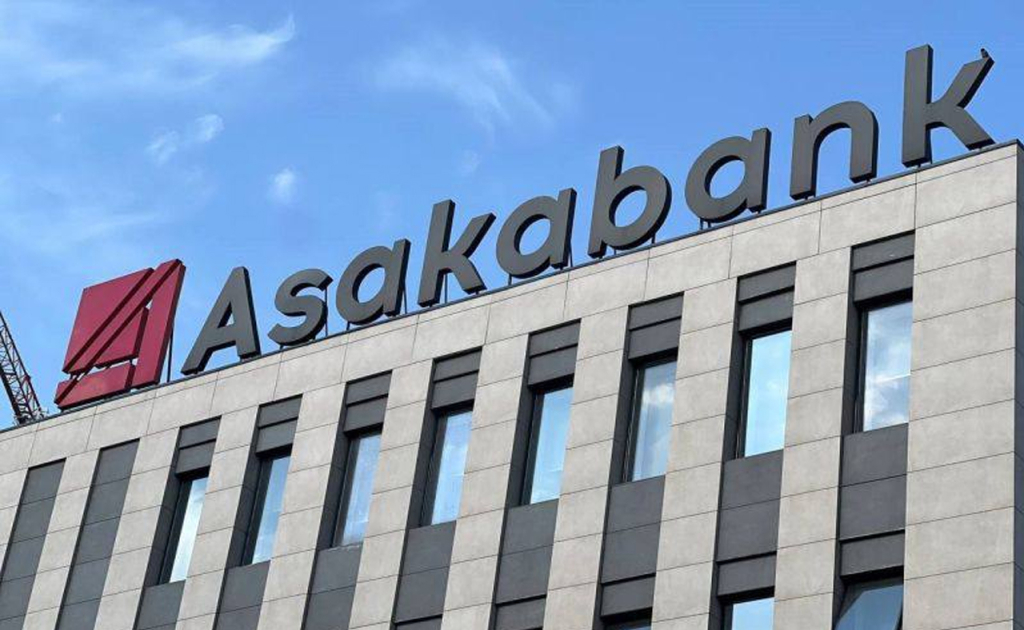
Uzbekistan has announced measures to expedite the privatization of Asakabank, the country's second-largest bank, as part of a broader strategy to improve its financial stability and align operations with modern banking standards. This initiative is outlined in a recent presidential decree (PQ–149, dated April 20, 2026) focusing on optimizing the bank’s core business and restructuring its asset portfolio.
Streamlining Operations and Asset Transfers
The decree mandates that Asakabank will cease any activities unrelated to its core banking functions. This refocusing is designed to enhance operational efficiency and risk management in line with market principles and contemporary banking practices. As part of this restructuring, several non-core assets currently held by the bank will be transferred to the State Assets Management Agency.
Notably, the former "Tashkent Agricultural Machinery Plant" asset complex will be moved to the state agency, with compensation to Asakabank to be funded from proceeds of future privatization. Additionally, investment projects and shares valued at approximately 382.6 billion Uzbek soms—including enterprises such as "Green Energy," "Uz CLAAS Agro," and "Khorezm Invest Project"—will also be handed over under similar privatization conditions.
Furthermore, pharmaceutical startup initiatives financed by Asakabank, such as "Asaka Farm Ventures" and "Asaka Farm Invest," with a combined planned investment of 780 billion soms, will be transferred to the national venture fund UzVC and supported through the state budget.
“All banking operations will be conducted under market principles, modern banking practices, and risk management system requirements, strictly adhering to the bank’s internal policies.”
Capital Infusion and Financial Health Measures
To support Asakabank's financial robustness, the state will inject capital amounting to $95 million in 2026. Provisions are also made for covering potential losses associated with problematic loans through state resources. Dividend payouts will be suspended for 2024 and 2025, with net profits being reinvested to strengthen the bank’s capital base.
Adjustments to the bank’s share capital will reflect the analysis of asset quality, with discrepancies between nominal and market values converted into additional capital by transforming state claims totaling approximately 1.98 trillion Uzbek soms into authorized capital.
Privatization Timeline and Strategic Implications
The privatization deadline for Asakabank has been extended from the end of 2023 to the end of 2025. This adjustment follows a recent agreement between Uzbekistan’s President Shavkat Mirziyoyev and the European Bank for Reconstruction and Development (EBRD), which acquired a 15% stake in Asakabank in preparation for its full privatization planned for 2026.
Earlier legislative measures also postponed privatization deadlines for other state banks, including O‘zsanoatqurilishbank (SQB) and Aloqabank, reflecting a cautious approach to financial sector reforms amid fiscal strategy considerations for 2026–2028. Some state-owned banks, such as the National Bank, Agrobank, and Microcreditbank, are expected to remain under state ownership beyond 2030, with decisions on further privatizations pending.
These efforts reflect Uzbekistan’s commitment to modernizing its banking sector, attracting strategic investors, and reinforcing financial stability while gradually reducing the state’s footprint in commercial banking.