US Military Strikes Iran in Escalation Impacting Regional Maritime Security and Economic Stability
US attacks on Iranian targets aim to curb Tehran’s interference in Strait of Hormuz, raising concerns for global trade and regional oil transport.
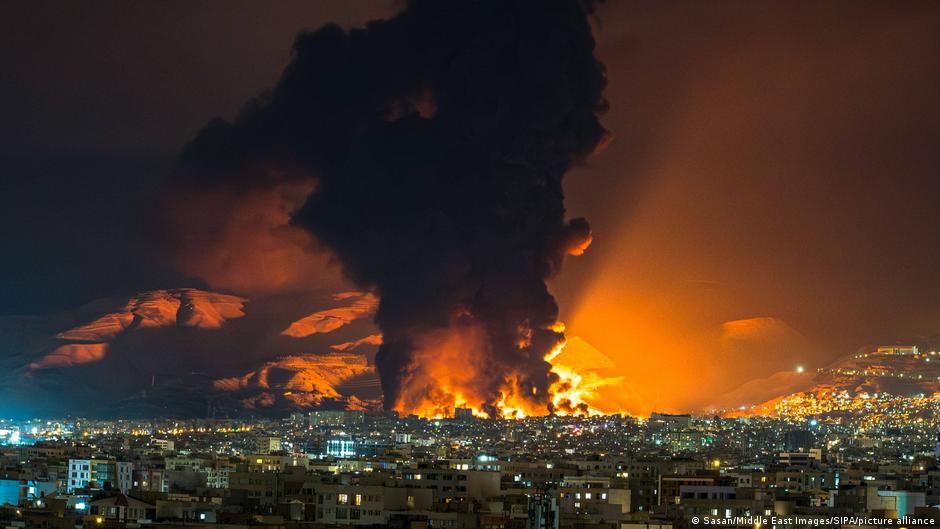
The United States Armed Forces have launched a new series of strikes against Iranian targets purportedly to limit Tehran’s ability to disrupt maritime navigation through the strategic Strait of Hormuz. The operation, authorized personally by then-President Donald Trump, represents a significant escalation in tensions between Washington and Tehran with potential implications for global energy markets and digital payment flows reliant on stable trade routes.
Strategic Implications for Global Trade and Digital Economy
According to statements from the US Central Command (CENTCOM), the recent wave of attacks targeted over 80 Iranian assets, including air defense systems, communications infrastructure, coastal radar installations, and more than 60 vessels belonging to the Islamic Revolutionary Guard Corps (IRGC). These measures respond to alleged Iranian attacks on commercial shipping vessels in the Strait of Hormuz, a crucial chokepoint through which a significant portion of the world’s oil supply transits.
"The demonstrated aggression by Iran was unjustified, dangerous, and a clear violation of the ceasefire regime," CENTCOM declared, underscoring the US rationale for the military campaign.
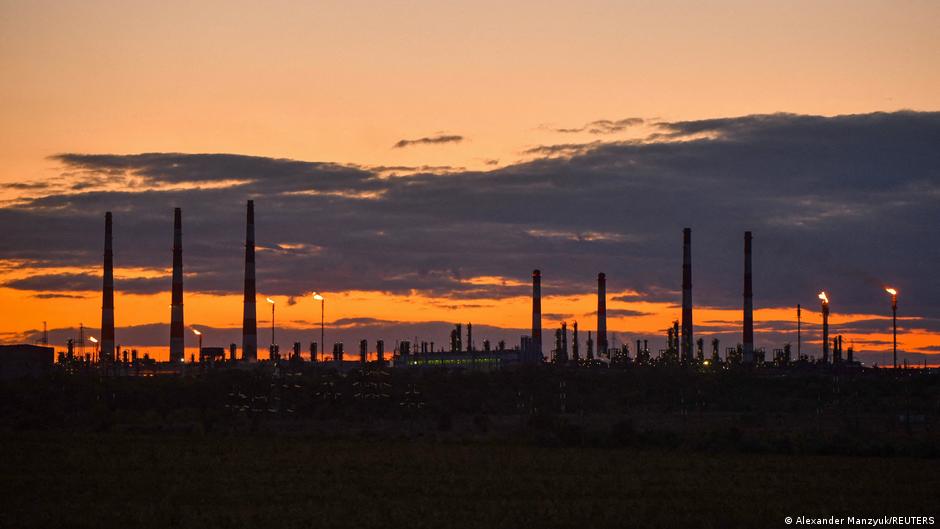
The Strait of Hormuz’s stability is vital not only for traditional energy markets but also for the fintech and digital economy sectors. Disruptions in oil supply routes can lead to volatility in energy prices, which in turn affect currency markets, fuel digital payment systems, and influence the valuation of technology stocks sensitive to economic uncertainty.
Furthermore, the resumption of US sanctions against Iranian oil exports shortly before the military strikes adds another layer of complexity to global financial flows. Sanctions typically restrict financial transactions with Iranian entities, impacting cross-border payments, international banking operations, and cryptocurrency exchanges involved in circumventing traditional finance channels.
Iran’s Foreign Ministry condemned the US strikes as violations of an existing maritime memorandum, pledging to defend its sovereignty and national interests. Iranian state media also reported retaliatory missile attacks on US military installations in Kuwait and Bahrain, claimed by the IRGC as direct responses to American air strikes. These tit-for-tat actions raise concerns over cybersecurity and physical security of regional infrastructure, including digital banking facilities and payment processing centers that could become collateral or intentional targets in escalating conflicts.
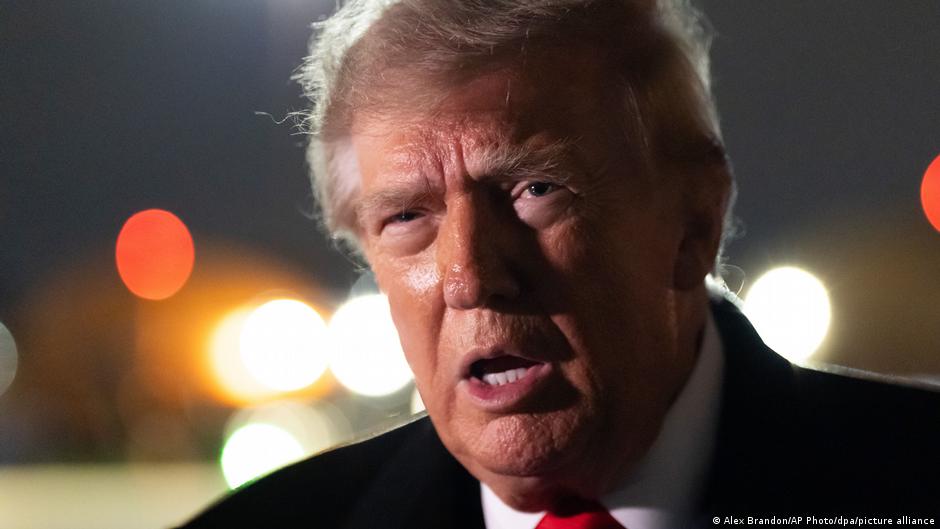
President Trump’s remarks at the NATO summit underscored a breakdown in diplomatic engagement with Iran, describing negotiations as futile and characterizing Iranian representatives in harsh terms. However, he allowed for the possibility that US negotiators might continue dialogue if they choose, leaving some room for diplomatic maneuvering amid rising tensions.
Risks to Maritime Commerce and Digital Payment Ecosystems
The US strikes followed reports of attacks on at least three commercial vessels in the Strait of Hormuz, including a Qatari liquefied gas tanker suffering severe damage from an unknown projectile and a tanker lightly damaged by a drone strike. These incidents jeopardize the security of maritime routes critical for global energy shipments.
Disruptions in the Strait could have cascading effects on the digital economy. Payment networks and fintech platforms depend on stable geopolitical conditions to process transactions efficiently. Heightened regional conflict may trigger increased transaction monitoring, sanctions compliance challenges, and risk aversion among financial institutions and technology investors, potentially slowing innovation and liquidity in digital markets.
Moreover, the ongoing dispute complicates efforts to fully clear naval mines from the Strait, limiting safe shipping lanes and prolonging uncertainty. Despite US assertions of keeping the passage open, shipping volumes remain significantly below pre-conflict levels, impacting global supply chains and cross-border trade finance.
In this volatile environment, cybersecurity risks also escalate as state and non-state actors may target digital infrastructure to gain strategic advantage. Financial institutions, payment processors, and cryptocurrency platforms operating in or connected to the region should heighten vigilance against potential cyber threats tied to geopolitical instability.
The regional conflict between the US and Iran exemplifies how geopolitical crises can reverberate through the fintech sector and digital economy, highlighting the interconnectedness of military actions, sanctions regimes, and the stability of global payment systems.