Massive Forest Fire Near Paris Sparks Security Concerns Amid Rising Climate Risks
Two suspects detained for suspected arson as Fontainebleau wildfire devastates over 1,300 hectares, highlighting climate-driven challenges for European infrastructure and emergency response.
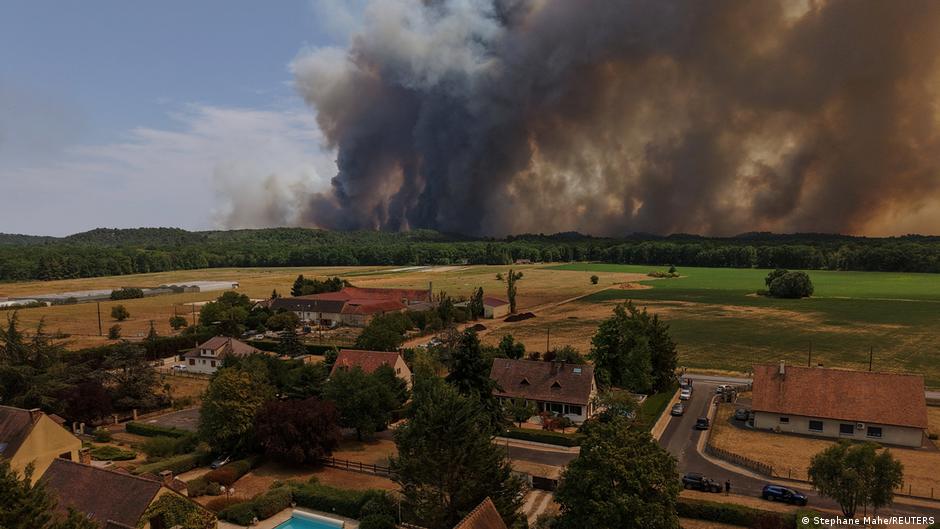
A massive wildfire erupted in the Fontainebleau forest near Paris, resulting in the destruction of more than 1,300 hectares of woodland and the evacuation of approximately one thousand residents. The incident underscores growing climate-related risks to infrastructure and emergency services across Europe.
Arrests Reflect Rising Security Measures Amid Climate Crisis
French authorities have detained two individuals on suspicion of deliberately or accidentally starting the fire. Among the suspects is an 18-year-old with no prior convictions, whose hands were reportedly covered in soot at the time of arrest and who was found carrying a lighter. This development comes amid heightened vigilance in response to increasing wildfire incidents linked to climate anomalies.
"This is one of the most serious forest fires near Paris in recent memory," said Interior Minister Laurent Nuñez, emphasizing the critical security implications tied to environmental disasters.
The wildfire mobilized approximately 600 firefighters and employed a fleet of aerial firefighting assets, including four Canadair planes, two Dash aircraft, and three helicopters, which conducted a total of 187 water drops. Despite these efforts, the fire led to the temporary closure of several highways, disrupting transportation and economic activities in the region.
Climate Extremes Amplify Risks to Digital Economy and Infrastructure
France is currently experiencing its third heatwave of the year, with wildfires damaging a total of 32,000 hectares nationwide—double the area affected in the same period last year. This surge in extreme weather events poses significant challenges for critical infrastructure, including digital networks and financial services that underpin the digital economy.
As wildfires disrupt power grids and transportation, fintech platforms and digital banking services may face operational risks due to outages or degraded connectivity. Additionally, rising cybersecurity threats often accompany periods of crisis, as cybercriminals exploit vulnerabilities during emergency responses.
The European Copernicus Climate Change Service (C3S) recently reported that June 2026 was the hottest June ever recorded in Western Europe, with average temperatures approximately 3°C above the 1991-2020 baseline. These extreme temperatures compound the frequency and severity of wildfires, underscoring the importance of integrating climate resilience into technology infrastructure and emergency management systems.
In parallel, Germany experienced an estimated 5,100 heat-related deaths in June 2026, according to preliminary assessments by the Robert Koch Institute, signaling widespread human and economic impacts across the continent.
Authorities across France have arrested 59 individuals suspected of causing fires through negligence or arson, such as improperly discarded cigarette butts, highlighting the intersection of human behavior, environmental conditions, and security risks.
The Fontainebleau wildfire serves as a stark reminder that the digital economy, reliant on uninterrupted power and connectivity, must adapt to the mounting challenges posed by climate change and its cascading effects on public safety and infrastructure stability.