Darlin Graham Norton Appointed to Senate Seat of Late Lindsey Graham Amid Political Majority Concerns
Republicans swiftly secure Senate seat to maintain delicate majority following Lindsey Graham's death; Darlin Graham Norton to serve until 2027.
Darlin Graham Norton has been appointed to fill the U.S. Senate seat left vacant by her late brother, Lindsey Graham, securing the Republican Party’s fragile majority in the upper chamber at least until January 3, 2027. The decision comes amid urgent efforts to stabilize Senate control and maintain legislative momentum on various fronts, including tech and economic policies impacting fintech and digital sectors.
Swift Appointment to Preserve Senate Majority
South Carolina Governor Henry McMaster, a close ally of former President Donald Trump, named Darlin Graham Norton to the Senate seat only 48 hours after Lindsey Graham’s sudden passing due to an aortic dissection. Governor McMaster stated, "It is a great honor for me to ask his younger sister, Darlin Graham, to carry on his work." The Republican Party moved quickly to fill the vacancy to protect their narrow Senate majority, a critical factor in shaping legislation on cybersecurity, digital banking regulations, and crypto asset oversight.
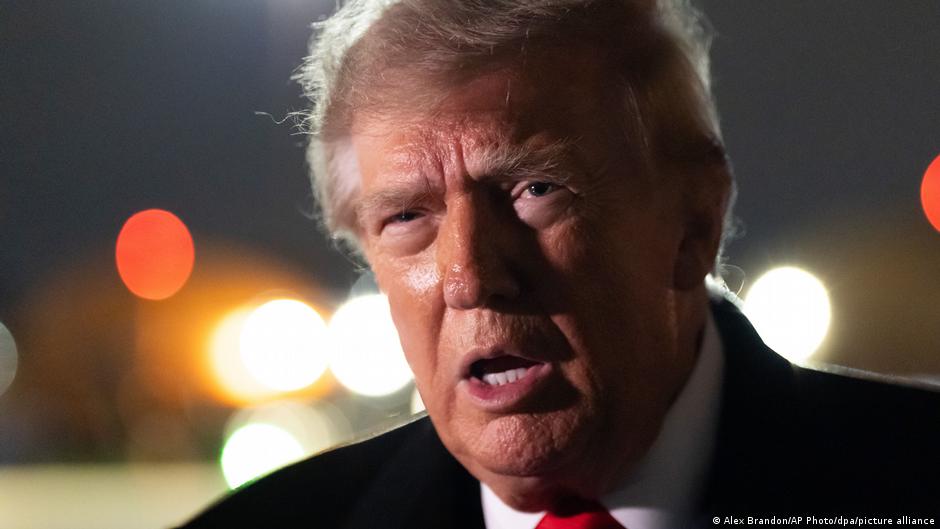
President Trump praised the appointment on his social media platform Truth Social, calling it "a wonderful tribute to Lindsey, who loved her deeply." Other potential candidates considered included South Carolina Lieutenant Governor Pamela Evette, former Representative Trey Gowdy, and ex-Senator Jim DeMint, but Norton was ultimately chosen to continue the family legacy.
"Darlin Graham Norton’s appointment reflects the party’s commitment to continuity and stability at a time when digital economy policies and national security intersect in critical ways."
Norton will serve until the next election in November, when voters will decide who will represent South Carolina for the subsequent six-year term.
Lindsey Graham’s Legacy and Impact on Digital Economy Legislation
Lindsey Graham, who died at age 71 on July 11, was a prominent Republican senator known for his strong defense positions and consistent advocacy for national security interests that often intersected with emerging technology concerns. Just a day before his death, he visited Kyiv, Ukraine, where he toured a drone manufacturing facility operated by defense company SkyFall and met with President Volodymyr Zelensky to discuss intensifying sanctions on Russia and its allies.
Although initially a critic of Donald Trump, Graham became one of Trump’s staunchest supporters. His legislative focus included issues critical to the fintech and digital economy sectors, such as cybersecurity enhancements and stringent oversight of financial technologies that could impact payments infrastructure and digital banking.
As a senator since 2002 and previously a member of the House of Representatives, Graham’s work in national security and economic policy often touched on safeguarding technology-driven financial systems from external threats, a priority that remains highly relevant in today’s regulatory environment.
Trump characterized Graham as "one of the greatest men and senators I have ever known," praising his dedication and patriotism. The Republican Party’s rapid response to fill his seat underscores the importance of maintaining legislative continuity, particularly as Congress navigates complex challenges facing the fintech sector, including cryptocurrency regulation, digital payment security, and evolving technology stock markets.