Iran’s Revolutionary Guard Disrupts Oil Tanker in Strait of Hormuz Amid Rising Maritime Tensions
IRGC mining and attack on oil tanker signals potential risks to global energy trade and digital payment flows in key shipping routes.
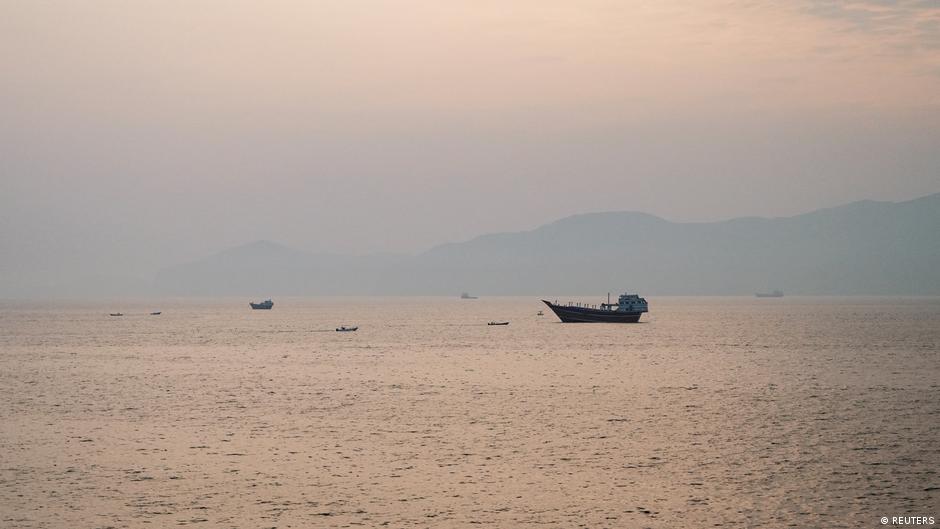
The Iranian Revolutionary Guard Corps (IRGC) has escalated maritime tensions in the Strait of Hormuz by mining shipping routes and attacking oil tankers that attempt passage without Iranian consent, according to reports emerging on July 23. This development poses significant risks not only to global energy supplies but also to the digital infrastructure underpinning payment and trading activities tied to crude oil shipments.
Impact on Maritime Security and Digital Economic Networks
An oil tanker, reportedly traveling without proper authorization from Iran, was severely damaged by a mine planted by the IRGC along a shipping lane south of the Strait of Hormuz. According to a press release by the IRGC, cited by Iranian news agencies, three tankers influenced by the presence of the US military sought to navigate the mined waters. One tanker exploded and caught fire, forcing the other two vessels to retreat.
"IRGC naval forces will continue to block the Strait of Hormuz as long as the US persists in aggressive actions in the region," the statement warned.
The attack underlines growing geopolitical risks in one of the world's most critical oil transit chokepoints, through which nearly 20% of the world’s petroleum passes. Disruptions here reverberate across global energy markets and consequently affect digital financial transactions and crypto-backed commodity trading platforms that rely on stable supply chains and transparent shipping data.
Further details emerged from satellite imagery analyzed by the European Space Agency (ESA) and reports from Financial Times. The targeted tanker, identified as Kavomaleas and owned by Greek shipping magnate Georgios Prokopiou’s Dynacom group, was seen under tow into Iranian territorial waters near Larak Island, with smoke visible from its engine room. The vessel had departed Oman and was en route to the Persian Gulf when it was struck by two shells, causing a fire and forcing the crew’s evacuation.
Satellite data also revealed a substantial oil slick trailing the vessel, indicating ongoing environmental and economic fallout. The vessel was reportedly scheduled to load over 500,000 barrels of crude oil in the Persian Gulf, with its capture potentially disrupting scheduled deliveries and associated transactions settled via digital payment systems.
Dynacom has stated that it did not authorize any movements of the tanker following the attack and is currently investigating its whereabouts. The incident represents the third known seizure of a vessel by Iranian forces during the ongoing conflict involving Iran, the US, and Israel, with over 45 ships reportedly targeted in other attacks since hostilities escalated.
Fintech and Cybersecurity Concerns
The heightened conflict in the Strait of Hormuz raises acute challenges for fintech firms and digital banking systems involved in financing and insuring maritime oil shipments. Risks to physical supply chains translate to volatility in payment settlements, insurance claims, and commodity-backed cryptocurrencies. Enhanced cybersecurity measures are essential as threat actors may exploit geopolitical instability to launch cyber attacks targeting shipping logistics platforms and digital transaction networks.
Furthermore, the disruption of oil trade routes may accelerate the adoption of blockchain-based supply chain tracking and smart contracts in the energy sector to provide greater transparency and resilience against similar geopolitical risks. Investors in tech stocks related to digital payments, cybersecurity, and blockchain infrastructure should monitor developments closely as the situation unfolds.
The IRGC’s declaration to maintain a maritime blockade until US military aggression ceases signals potential for continuous disruptions, emphasizing the need for robust fintech solutions to mitigate financial and operational risks stemming from geopolitical conflicts in strategically vital regions.