Russian State Duma Revises Fuel Dampener Mechanism to Stabilize Domestic Market Prices
Amendments to tax code aim to enhance fuel supply, manage price volatility, and introduce import compensation schemes impacting energy and fintech sectors.
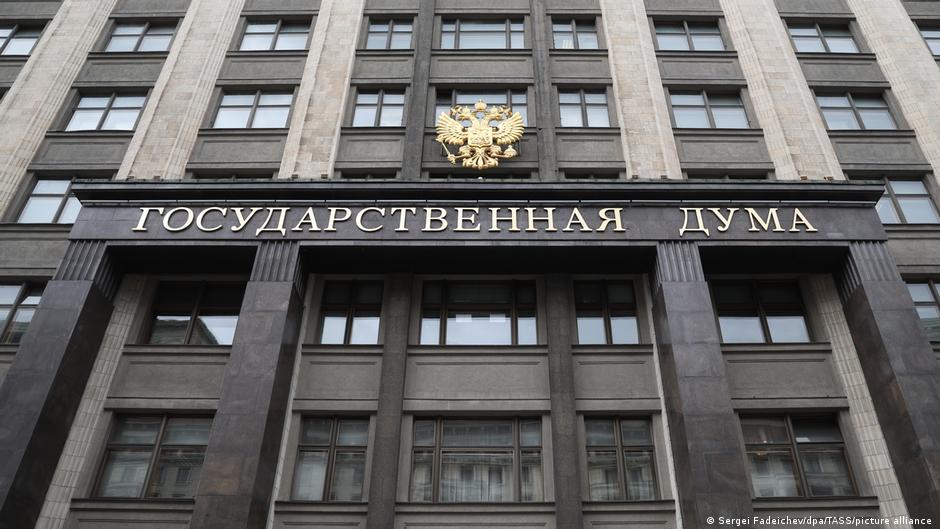
The Russian State Duma has passed a series of amendments to the Tax Code designed to stabilize fuel prices within the domestic market by adjusting the fuel dampener mechanism and related regulations. These legislative changes, approved in second and third readings and published on July 21, address compensation schemes for oil companies and importers, as well as the rules governing exchange sales of fuel.
Adjusting Fuel Market Mechanisms Amid Supply Challenges
The fuel dampener system, a state mechanism that provides compensation to oil producers to curb price surges in the domestic market, will be recalibrated to better reflect market conditions and support supply expansion. This government initiative comes against the backdrop of previous interventions, such as reducing mandatory gasoline sales quotas on exchanges and limiting fuel exports to improve domestic availability.
"The amendments are expected to increase fuel availability and reduce pricing risks by expanding the scope of transactions considered when calculating minimum mandatory exchange sales," highlighted by Deputy Finance Minister Alexey Sazanov.
One of the critical reforms includes broadening the categories of fuel sales factored into mandatory exchange quotas. Now, volumes sold outside the exchange under government-defined circumstances may be counted toward these quotas, a move largely motivated by demands from the agricultural sector. Discussions are underway to institute direct contracts between refineries and authorized suppliers serving agricultural producers, maintaining sectoral fuel provision without breaching exchange sales requirements.
Import Compensation and Price Benchmarking Innovations
The amendments also introduce a compensation mechanism for imported diesel fuel, similar to the existing scheme for gasoline. Importers may receive partial reimbursement via excise tax deductions when import prices exceed those on the Russian wholesale market. Such payments will only apply during periods with simultaneous export restrictions on diesel and aviation kerosene, reinforcing supply stability.
To determine compensation levels, prices on the Indian market will serve as a benchmark for imports from third countries, accounting for delivery costs to Russian ports. This choice reflects India's status as a major global exporter rather than a mandatory supplier. Special provisions elevate the compensation coefficient for fuel imports from Belarus to 0.9, enhancing their economic attractiveness relative to other sources.
These legislative changes coincide with India's recent decision to nearly double export duties on diesel and aviation fuel, a significant factor given India's role as one of the world's leading petroleum product exporters, responsible for approximately 6% of global maritime fuel shipments.
Implications for Energy Supply and Digital Economy
Russian officials, including State Duma Speaker Vyacheslav Volodin and Deputy Prime Minister Alexander Novak, have emphasized that the reforms aim to boost domestic fuel supply and create strategic reserves, with effects expected to manifest imminently. The government also credits a combination of export curbs, increased production, import initiatives, and deferred refinery maintenance for current market stabilization.
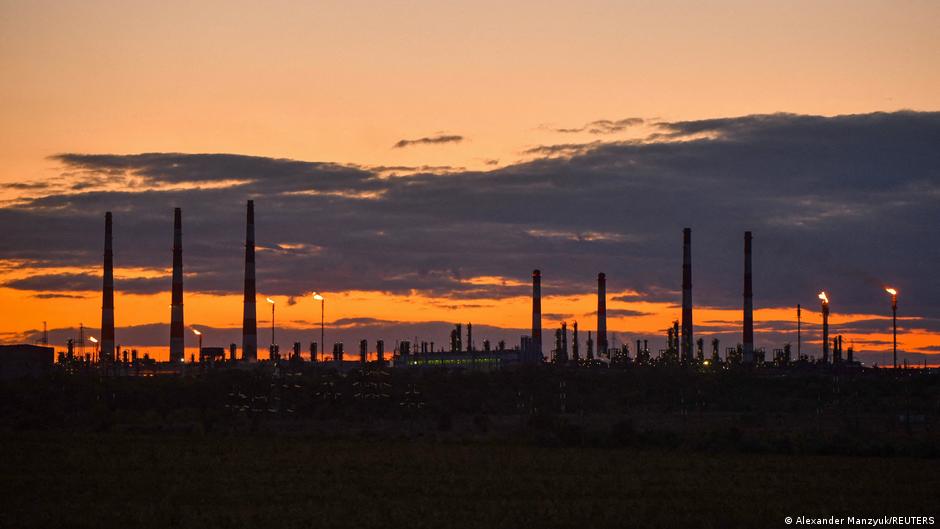
Notably, the fuel market faces ongoing disruptions due to damage inflicted on major Russian refineries by Ukrainian drone strikes during spring and summer 2026, which resulted in the shutdown of facilities accounting for about 25% of national oil refining capacity and significant proportions of gasoline and diesel output.
From a fintech and digital economy perspective, these regulatory developments could influence the structure and volume of fuel-related trading on digital exchanges, impact payment flows within the energy sector, and shape tax and compensation mechanisms relying increasingly on digital reporting and compliance systems. Additionally, the expanded role of direct contracts and compensation schemes may drive innovations in supply chain finance, blockchain-based contract management, and real-time excise tax calculations.